Crafted Tea Salon – Flamingo Bloom

https://bcmagazine.smugmug.com/Bcene-photos/2017/Crafted-Teas-Flamingo-Bloom-5-July-2017/i-dW8H4Qd/A

Coffee has been flavour of the month locally for years now with numerous coffee chains and single shops offering from an averagely awful to a boutique cup of java. Flamingo Bloom a new tea salon in Central obviously aspires to establish a chain of outlets offering floral teas.

The owners creative branding of flamingos and pink ‘n’ blue colours is targeted heavily towards the ladies but it’s all done quite nicely and makes a welcome change to the drab browns of our local java outlets.

What about the tea? Flamingo Bloom uses four base tea flavours Jasmine Tips Green, Honey Orchid Black, Highland Oolong and Chrysanthemum Pu’er and brews using full leaves to get a better flavour and they’re pretty solid beverages. Everyone has a different preference for how long they like their tea to steep, but the flavours here are good.

On top of the basic teas you can add a wide range of flavours including fresh fruits, salted milk cap – a mix of fresh milk, whipped cream, cheese powder and sea salt – and boba pearls. With most available in hot (500ml) and cold (650ml) options. The choice is wide and prices range from $23 upwards and likely it’ll take a few visits or sharing with friends to find your favourite.

https://bcmagazine.smugmug.com/Bcene-photos/2017/Crafted-Teas-Flamingo-Bloom-5-July-2017/i-k29xf5h

Each drink is prepared to order and the back area resembles a cocktail bar with servers blending and shaking. A lot of thought has obviously gone into the drinks and there are some nice little touches: the ice is blended into the drink so with a cold drink you get a consistent taste rather than a continually diluted one as the ice melts. A little beetroot has been added to the milk to give a pink colour.

Iced Drink Update: this was during the first week and how their tea crafter explained it to bc, but on recent visits the drinks are just like normal iced drinks with ice-cubes – which is a shame.

All good so far, but there are a few niggles. Flamingo Bloom’s is looking for a healthy and refreshing image, unfortunately what’s not made clear on the menu and in the drink ingredients list is that unless you specifically ask for no sugar, each drink has a large, and we mean large, amount of sugar syrup added to it. Most of the flavour combinations shouldn’t need it – but the sugar hit as with fizzy and sports drinks is the unseen addictive hit.

The owners have carefully thought about drink presentation, yet have gone with a thick opaque plastic cup which hides the attractiveness of the drink. And with all the plastic and straws being handed out it would be nice to see FB aggressively pushing recycling.

Flamingo Bloom is a vibrant new tea salon with lots of tasty teas – our current favourite is the salted milk cap Pu’er – remember to hold the sugar if you want a healthy drink. Just because a drink comes with a straw doesn’t mean it’s best enjoyed through the straw. Many of FB’s drinks are best enjoyed from the top down, rather than bottom up.

Flamingo Bloom
50B Stanley Street, Central. Tel: 2483 1778. 11am-9pm
www.flamingo-bloom.com

https://bcmagazine.smugmug.com/Bcene-photos/2017/Crafted-Teas-Flamingo-Bloom-5-July-2017/i-R38kzhk

The Hong Kong Series, Book Launch @ Alvy’s – 26 July, 2017

https://bcmagazine.smugmug.com/Bcene-photos/2017/Hong-Kong-Series-Book-Launch-Alvys-26-July-2017/i-8zmBmtS

Books, beer and pizza at Alvy’s for The Hong Kong Series launch: A System ApartBorrowed Spaces; City of ProtestCantonese Love StoriesDear Hong KongGeneration HK and Uncharted Territory. 7 diverse views about Hong Kong. Available at most good book stores or in e-book.
Click on photo for more images

https://bcmagazine.smugmug.com/Bcene-photos/2017/Hong-Kong-Series-Book-Launch-Alvys-26-July-2017/i-NBTV2LJ

https://bcmagazine.smugmug.com/Bcene-photos/2017/Hong-Kong-Series-Book-Launch-Alvys-26-July-2017/i-8qddxKf

https://bcmagazine.smugmug.com/Bcene-photos/2017/Hong-Kong-Series-Book-Launch-Alvys-26-July-2017/i-4hShS5h

https://bcmagazine.smugmug.com/Bcene-photos/2017/Hong-Kong-Series-Book-Launch-Alvys-26-July-2017/i-g4zN8G3

Paradox Highlight of Summer Film Fest

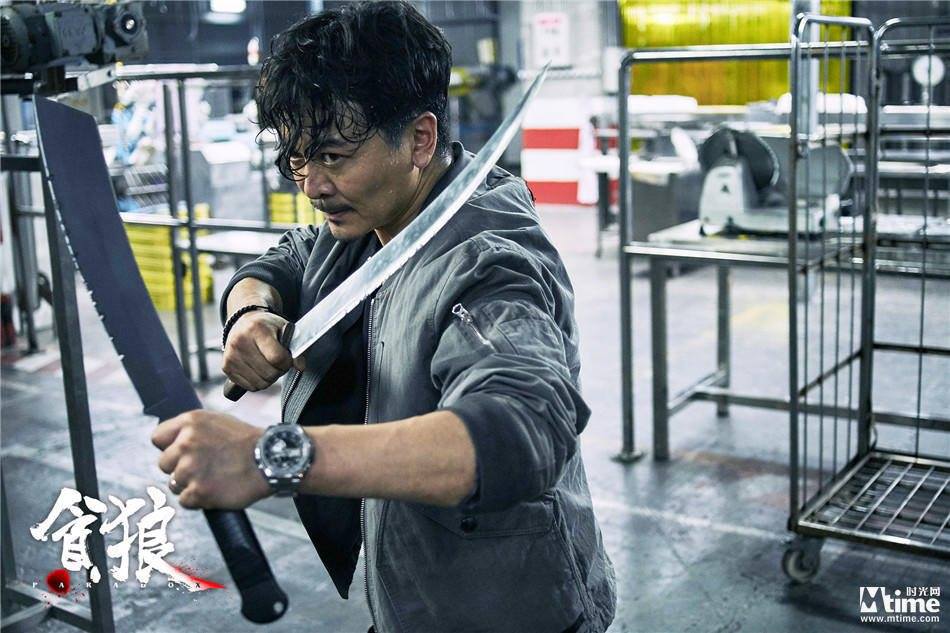
This year’s Cine Fan Summer International Film Festival 2017 (SummerIFF17) programme has been released. Opening a festival that will showcase 33 films next month is the world premiere of Wilson Yip’s new film Paradox.

Paradox, the third in Yip’s popular SPL action drama series, stars Louis Koo as a police negotiator searching for his abducted daughter in Bangkok. With action choreography by Sammo Hung, the film should have some dynamic martial arts scenes featuring Tony Jaa.

Closing the festival is 24 Frames, the posthumous final work of Iranian director Abbas Kiarostami, which intriguingly gives life to still images in a collection of 24 short four-and-a-half minutes film.

Mohsen Makhmalbaf

One of the founders of the new wave of Iranian cinema, director Mohsen Makhmalbaf will visit Hong Kong for the screening of his controversial 1990 critique of Iranian society The Nights of Zayandeh-rood, which was not officially screened in Iran for 26 years after it’s release. He will also present Salaam Cinema, a documentary about the casting and screen tests of would-be actors who respond to a casting call advert for a new film. The director will meet the audience after the screenings.

Festival Films

Roy Szeto’comedy-drama Shed Skin Papa, stars Francis Ng as a dementia-ridden father who regains his youth, and explores themes of rebirth and reconciliation through a father-son relationship.

Deadpan comedy master Aki Kaurismaki’s The Other Side of Hope is a refugee story intertwined with absurdity that took home the Berlinale Best Director Award.

The festival also features three competition films from this year’s Cannes Film Festival. Korean director Hong Sang-soo had the rare distinction of having two films selected for Cannes, including The Day After, his adept play about infidelity and mistaken identity. Academy-Award-winning director Michel Hazanavicius (The Artist) pays a stylistic homage to the great maestroJean-Luc Godard in Redoubtable. In the Safdie Brothers’ heist thriller Good Time, Robert Pattinson hits a career high playing a scuzzy bank robber.

Great actresses can illuminate a film with their performances. Isabelle Huppert is back in Hong Sang-soo’s orbit to play “a tourist in Cannes” in Claire’s Camera, partnering with Berlinale Best Actress Kim Min-hee. The chameleonic Cate Blanchett plays 13 wildly different characters in Manifesto, bringing fresh possibilities to ideas that rock the world. Nacho Vigalondo’s monster movie Colossal sees Anne Hathaway give one of her her fiercest performances as a killer kaiju.

From legendary rockers to promising outfits, films about musicians can be very hit or miss. Music fan Jim Jarmusch traces the destruction and survival of iconic rock star Iggy Pop and the Stooges in Gimme Danger. While Michael Wintervottom’s On the Road follows British neo-grunge outfit Wolf Alice during its UK-Ireland tour, intertwined with a fictional love story. Liberation Day is perhaps the most interesting film of the three chronicling as it does ex-Yugoslavian art-metal band Laibach as they become the first foreign rock band to tour North Korea.

Kings of Comedy – The Art of the Comedians

Is a series of six films where comedians like Charlie Chaplin and Jerry Lewis showcase the serious art of being funny in The Freshman, Steamboat Bill, Jr., City Lights, A Night at the Opera, Some Like it Hot and The Nutty Professor.

Monty Python’s surreal comedies are both popular and cult favourites but it’s been a long time since they were on the big screen in Hong Kong. Their influence on the style of modern comedy is profound, so take a seat and enjoy Monty Python and the Holy Grail and Monty Python’s The Meaning of Life on the big screen again.

Also returning to local screens are two droll masterpieces from two of America’s best directors. Woody Allem’s Love and Death explores life with a playful touch of Russian philosophy, while Martin Scorsese’s The King of Comedy, featuring Robert De Niro and Jerry Lewis helped create the current vogue of “anti-comedy.”

Local Classics Restored

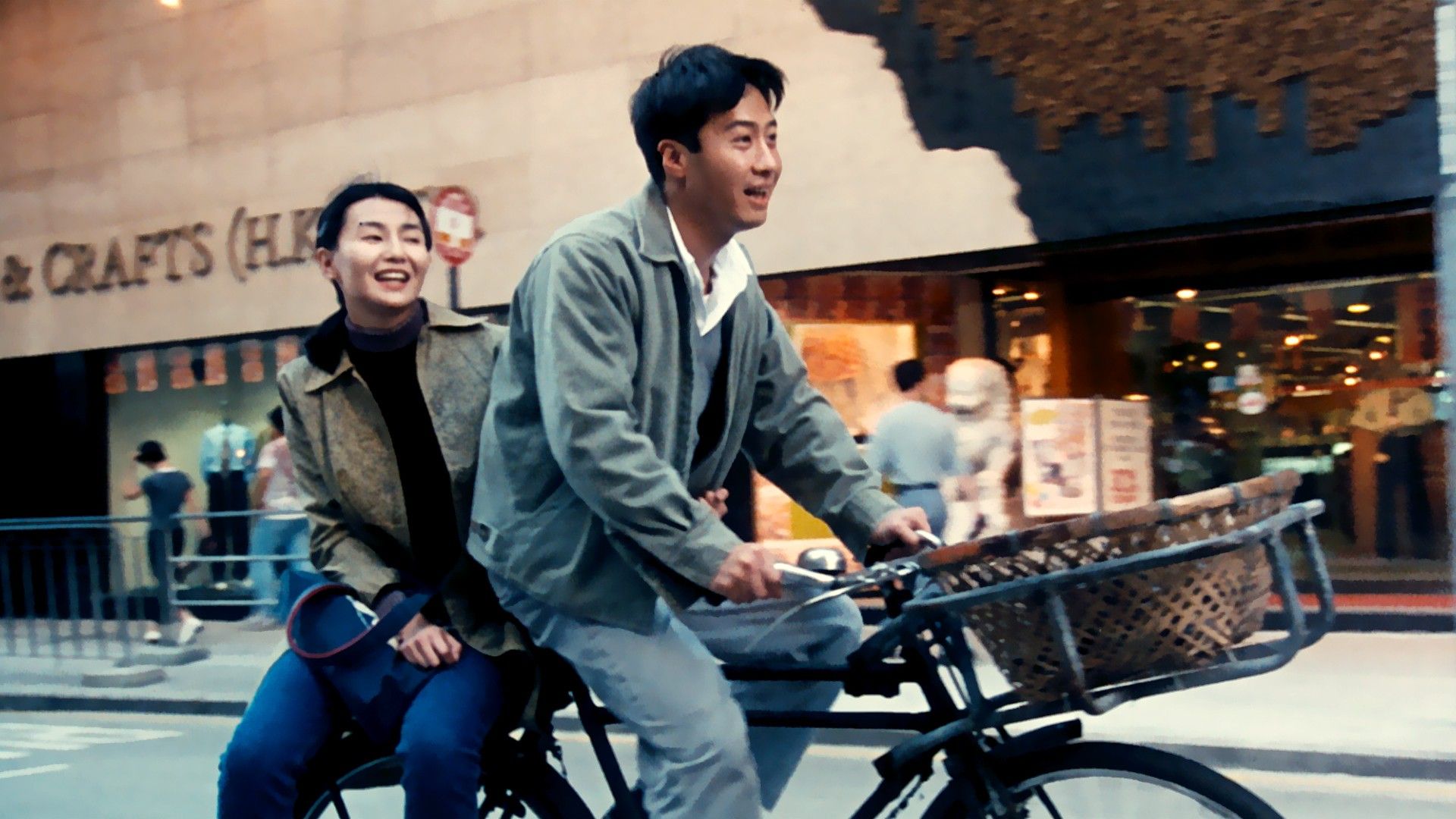
Two local classics, Derek Yee’s C’est la Vie, Mon Cheri and Peter Ho-Sun Chan’s Comrades, Almost a Love Story seem to have taken on extra meaning when seen today.

The Cine Fan Summer International Film Festival runs from 15-29 August, tickets are only $28 and you can find the full list of films and screening schedule here http://cinefan.com.hk

Cine Fan Summer International Film Festival
Date: 15-29 August, 2017
Venue: Various
Tickets: various

Modern Heroines Set For World Cup Challenge

https://bcmagazine.smugmug.com/Bcene-photos/2017/Hong-Kong-Womens-Rugby-Team/i-n7QL2hB

The 9th December 2016 will live long in local rugby history, on a sensational night at King’s Park Hong Kong’s women rugby players beat Fiji 45-7 to effectively secure a place at the Women’s Rugby World Cup. Today after seven grueling months of training the 28, mostly amateur players, who will make that trip to Ireland to compete in the World Cup next month were announced.

The Hong Kong squad will depart on 4 August – head to airport to cheer them off – for Dublin, where they will play 2013 runners-up Canada (7 August), four-time champions New Zealand (13 August) and Wales (17 August), before heading to Belfast for the semi-finals, final and the placing matches.

“We are going to use every woman in the squad in Ireland, and that is a key to our larger goal and mission: to ensure that our first World Cup appearance isn’t our last,” said national coach Jo Hull.

“Qualification for the World Cup is a good start, but our objectives transcend wins and losses,” continued Hull “We also want to change the perception of the women’s game in Hong Kong and to show how tough you have to be, how dedicated and how resilient you have to be – rather than giving in or walking away when it gets tough.”

The squad features a healthy mix of experience and potential, as Hull looks to leverage the Rugby World Cup as a transformative event for the women’s game locally – where it’s been under-funded and often viewed by the male dominated HKRU hierarchy as an irrelevance.

“We have gone with our experience and some of our more physical players that can withstand the challenge of a World Cup, but we are really excited to see the number of young players who have raised their hands during the campaign,” Hull added, singling out emerging players like scrumhalf Chloe Mak, flyhalf Lee Tsz-ting, flanker Agnes Chan and 18-year old centre Kelsie Bouttle.

“These players have really come into their own and are improving every game. We have rewarded that potential and it is a fantastic opportunity for them to shine,” said Hull.

https://bcmagazine.smugmug.com/Bcene-photos/2017/Hong-Kong-Womens-Rugby-Team/i-vFLzQ6J

Lock Chow Mei-nam captain’s the squad and the 29-year old physical education teacher is relishing the opportunity ahead for both herself and her side.

“My ambition is to be a world-class lock and the World Cup will provide a stage for me to try and achieve that. By the end of the tournament, I want the other teams to know about Hong Kong Rugby and respect us. That’s my main goal, earning that respect on the pitch.” Chow vowed.

Chow is joined by a core of experienced campaigners, particularly in the forwards, where former captain Royce Chan selection offers her a fitting highlight for Chan’s 13 years of endeavour in support of the women’s game.

Amelie Seure, Christy Cheng Ka-chi and Christine Gordon offer experience in the pack, alongside relative newcomers in flanker Agnes Chan and lock Chan Ka-yan.

“We have gone with some players that we know can get us out of trouble in a game,” confirmed Hull. “For a World Cup you need that balance, you have to have a team. It isn’t just about the players, the combinations have to work, on and off the pitch, to carry the team through those three weeks.”

“We have also given opportunities to some X-factor players. If they get things right, players like Agnes [Chan], Kelsie [Bouttle] and Rosie [Rose Hopewell-Fong] can help us break down defences. These players also help us have a multi-functional squad, with players that are comfortable playing in more than one position.”

“We are confident that we have that strength in depth we are going to need to take on three world-class teams in the space of two weeks,” Hull concluded.

The backline is anchored by vice captain and centre Adrienne Garvey, as well as experienced fly-half/fullback Rose Hopewell-Fong and sevens squad members Natasha Olson-Thorne (centre/wing), Aggie Poon Pak-yan and Colleen Tjosvold in the back three.

The emerging players among the backs are young scrumhalves 22-year old Chloe Mak, Ho-yee and 25-year old Jessica Ho Wai-on, while Lindsay Varty adds experience at the pivot. 21-year old ‘BB’ Lee Tsz-ting has been included at fly-half and will hope to add to her eight caps.

The youngest player in the squad is 18-year old centre Kelsie Bouttle who impressed in her first season of Premiership rugby and won her first cap last month.

“It’s been an eye opener for me to be involved and a great motivator to develop my rugby. The World Cup will be an incredible experience,” said Bouttle. “It’s good to be included because I am still young and hopefully have a long way to go in my rugby, so I will be in a position to share that experience and transfer my knowledge to other young players.”

While several of the squad are full-time athletes from the HKRU sevens programme at the HK Sports Institute, the majority are amateurs, who have put it massive amounts of time throughout the campaign to train.

“These are not professional players, but they train professionally,” said Hull. “They are doctors, teachers, social workers and students, and they deserve praise and respect for the commitment they have shown.”

This is Hull’s third World Cup “The opportunity to bring my own squad to the World Cup is a tremendous honour, especially with this group of players. I feel a lot of responsibility because of it.

“I’m looking forward to that buzz and excitement that surrounds a World Cup. I know from my own experience that this will be the most amazing three weeks of their sporting lives and to be able to lead them through that is a privilege,” said Hull.

HKRU Squad for Women’s Rugby World Cup 2017:

Forwards: CHOW Mei-nam (captain); CHAN Ka-yan; CHAN Leong-sze, Royce; CHAN Tsz-ching, Agnes; CHENG Ka-chi, Christy; CHEUNG Shuk-Han, Jasmine; Christine GORDON; LAU Nga-wun, Tammy; LEE Ka-shun; PUN Wai-yan; Amelie SEURE; SIU Wing-ni, Winnie; SO Hoi-ting, Karen; TSANG Sin-yan; WONG Yuen-shan.

Backs: Adrienne GARVEY (vice captain); CHONG Ka-yan; CHOR Lik-fung, Laurel; Kelsie BOUTTLE; HO Wai-on, Jessica; Rose HOPEWELL-FONG Siu-lan; LAU Sze-wa; LEE Tsz-ting; MAK Ho-yee, Chloe; Natasha OLSON-THORNE; POON Pak-yan, Aggie; Colleen TJOSVOLD; Lindsay VARTY.

https://bcmagazine.smugmug.com/Bcene-photos/2017/Hong-Kong-Womens-Rugby-Team/i-nJjrGMZ

Additional reporting and images: HKRugby

Sevens Ticket Prices Increase

https://bcmagazine.smugmug.com/Bcene-photos/2017/HKWR7s-Hong-Kong-v-Kenya-So-Kon-Po-6-April-2017/i-zXqs9tj

After last year forcing children to pay adult prices for their tickets. Those prices have gone up as the Hong Kong Rugby Union announced that tickets will increased by $50/day, approximately 8%.

Not that the general public can buy them anymore, but from 2018 a three-day ticket – except HK rugby are not calling them tickets anymore they’ve been rebranded as “event packages” – costs $1950, up from $1,800 in 2017.

There’s so much guff verbiage and faux justifications within the HKRU release announcing the price increase that you’d swear they’ve been taking lessons from Trump.

The guff includes that fans at the stadium have to pay more so that other people can watch the Sevens for free “HKRU is also expending significant funds to share the excitement of the Sevens with the wider community, with its free admission fan zones in Chater Garden and Lee Gardens”.

I wonder what the sponsors and suppliers who paid HKRU massive sums to have their brands linked to the Sevens and have a presence at those two locations think about that fiction.

The HKRU claims the Sevens are “still excellent value” but there was a lot less actual rugby played at the 2017 Sevens than in years past – so fans of rugby are being shafted twice… paying more for a lot less.

Robbie McRobbie, Chief Executive Officer of the Hong Kong Rugby Union states that “We have an obligation to generate as much revenue as possible from the tournament to support the growth of the game in Hong Kong.”

This from an organisation that is quite probably the richest rugby union in the world and has according to a recent annual return assets of well over $250 million.

The Sevens will still sell out because it’s a unique event and can trade on it’s name and reputation for years to come, but the atmosphere at recent events is not what it used to be and the fans disquiet and sense of being milked increases every year.

What the HKRU and World Rugby fail to understand is that fans do go to watch the rugby. The non-stop run of games throughout the day keeps fan energy high. Now with big gaps in the rugby, the atmosphere and energy sags. We don’t need bands with awful sound systems playing 5 songs. The energy from the rugby drives the Sevens fan experience which powers the rugby… More rugby, more women’s rugby and less of the insipid distractions.

Hong Kong Sevens
Date: 6-8 April 2018
Venue: Hong Kong Stadium
Tickets: $1,950.

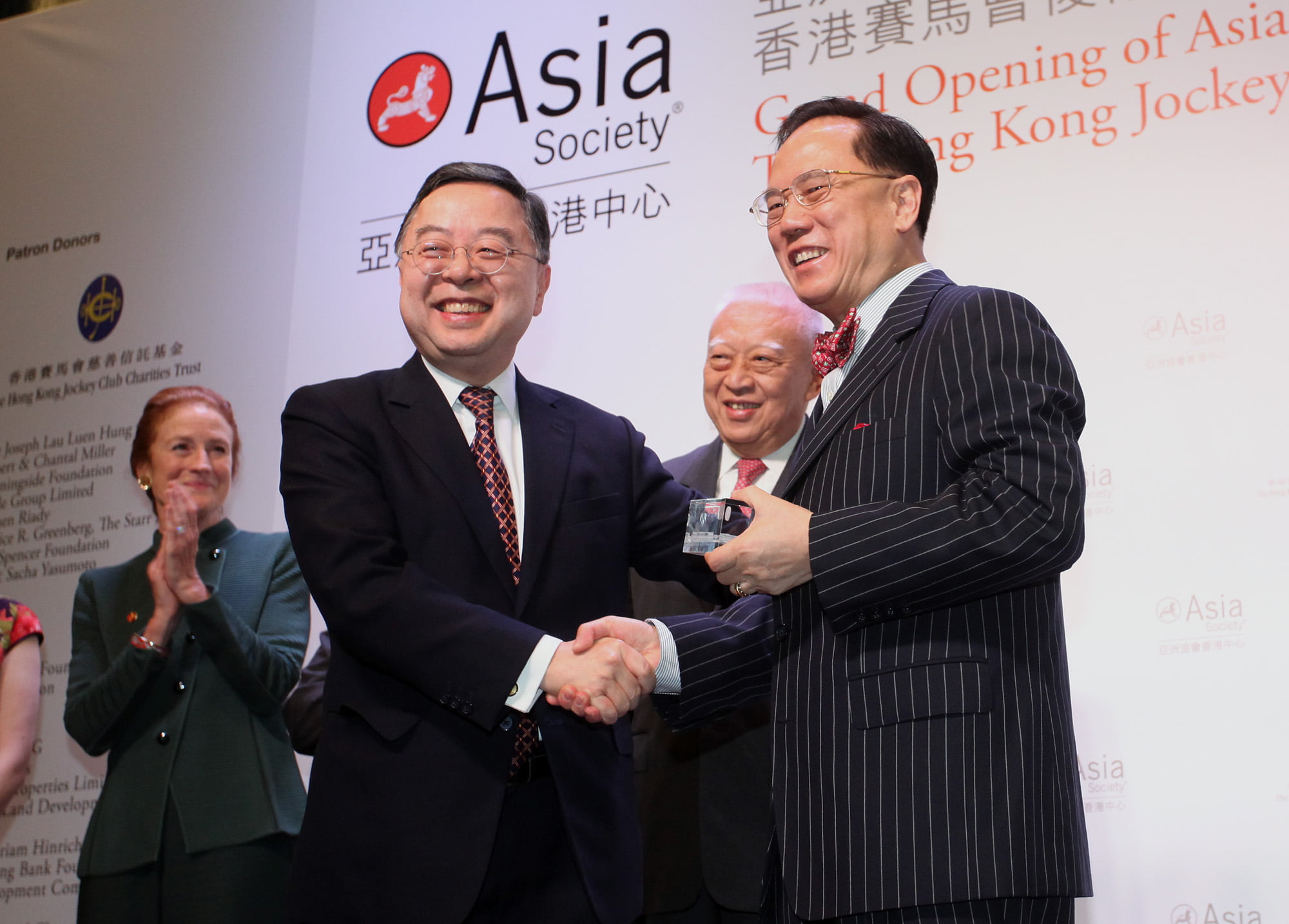
Forbes Deletes Article on Asia Society Billionaire Chairman Ronnie Chan

After the Asia Society blocked Joshua Wong speaking at the launch of a book about Hong Kong recently Forbes published an article written by analyst Anders Corr about the Asia Society’s local chairman Ronnie Chan.

The feature has since ‘disappeared’ from the Forbes website with Chan’s influence suspected to be behind Forbes decision to remove article. For those who missed it here’s Corr’s article in full.

The Asia Society recently barred a student democracy activist, Joshua Wong, from speaking at a Hong Kong literary event. It caused a wave of critical online comments and reporting on the Asia Society, and its influential billionaire donor Ronnie Chan. Chan is Co-Chair of the Asia Society in New York, and Chair of its Hong Kong Center, which has been likened to Chan’s private club.

Chan is known for his anti-democratic views, involvement in foreign policy think tanks, and extensive investments in mainland China. Those investments, as well as his investments in Hong Kong, give him an incentive to ingratiate himself with mainland authorities by promoting China’s foreign policies. Those authorities, after all, have the power to make or break Chan’s business. The issue is broader than Asia Society, though, as Chan and his family are major donors at influential institutions in the US, including Harvard University and the University of Southern California (USC).

Orville Schell of the Asia Society, and Susan Shirk, on the Board of Scholars at the Chan-affiliated USC US-China Institute among other roles, co-chaired an influential study of US-China Relations in February. Had Hillary Clinton won the US presidency, some in the Schell-Shirk task force, such as Shirk herself and Kurt Campbell of the Asia Group, would have been poised to seek influential positions in US government. The focus of Chan’s attentions on institutions that are politically influential on US-China relations raises the question as to whether China is seeking to use Chan, a dual US-Hong Kong citizen, to influence US foreign policy on China.

While the Hong Kong office of the Asia Society released a statement that said the decision to bar the democracy activist was “an error in judgment at the staff level”, several individuals with whom I communicated suspected Ronnie Chan’s influence to be behind the decision. That influence may or may not have been explicit. When a major funder shows a general preference against a class of people, for example democracy and freedom of speech advocates, then staff who counter that preference do so at the peril of their own organisation and jobs.

“Sounds like someone will take a bullet for Ronnie (that is, after all, what he pays them for),” said Joe Studwell, author of How Asia Works and The China Dream. “Ronnie will retain all powers and be left to figure out new ways to avoid any ‘controversy’ at Asia Society HK [Hong Kong]. I’d go for a pure, unspoken focus on ‘cultural’ issues, just like Beijing would want. No contemporary sociology, politics, economics, etc. More oracle bones and Ming vases.”

That prediction would be consistent with recent trends at Asia Society Hong Kong against politically controversial figures stretching back to at least 2009. At least four persons who support democracy and freedom of speech, in addition to Joshua Wong, may have been barred from the Hong Kong chapter of the Asia Society, including Martin Lee, Evans Chan, James Mann, and Renee Chiang.

Martin Lee is the founding Chair of the Democratic Party in Hong Kong. He was arrested during the 2014 democracy protest. According to one source, he has never been invited by the Asia Society in Hong Kong to an event.

Evans Chan filmed a documentary on the 2014 democracy movement in Hong Kong. He said that, “last October, Asia Society cancelled a screening of my film, Raise the Umbrellas, for an ‘unbalanced’ post-screening discussion with Martin [Lee] & Benny Tai.” The New York Times covered the cancellation without apology from the Asia Society, which indicates that the action was probably noted by its leadership without change in policy, since Asia Society Hong Kong repeated itself with Joshua Wong and in at least one other case.

James Mann of the Los Angeles Times commented on Facebook on July 6, “I was asked to speak in Hong Kong a few years ago, and Ronnie Chan vetoed my appearance. The only surprise to me here is that the Asia Society in NY, which professes a belief in liberal values, should allow this sort of thing to happen again and again and again. I guess they must need his money desperately.”

Renee Chiang, the wife of publisher Bao Pu, commented on Facebook that, “I can also confirm being turned down by Asia Society Hong Kong when the Zhao Ziyang book (Prisoner of the State) was published in 2009. Meanwhile, Asia Society in New York hosted a panel talk about the book, at which Orville Schell admitted getting a phone call from Chinese authorities voicing their disapproval, yet they did what they should do: they ignored the threat and held the talk anyway. In Hong Kong, no such call is needed, as they appear to have in-house censors.”

Studwell noted that “the HK government gave Ronnie a very valuable piece of public property (the old arsenal), which he was then allowed to refurbish… and operate as a sort [of] quasi private members club. But the whole thing, surely, only worked because the Asia Society in the United States of America let him use its brand to get his hands on the place.”

The question is then whether the Asia Society headquarters in New York, including its Co-Chair and 66 trustees, are complicit in what appears by its repeated programming decisions in Hong Kong, to be amplification of Chinese government propaganda. What do the Asia Society Co-Chair and trustees, some of whom do business in China, get out of the deal? Is the Chinese government seeking to use Chan to politically influence these trustees and others? Are the trustees seeking access or favors from Chan in China? Chan and staff of the Asia Society Hong Kong office did not reply to requests for comment.

Chan has connections, sometimes very weighty ones, at Harvard University in Cambridge Massachusetts, the University of Southern California in Los Angeles, the Peterson Institute for International Economics in Washington D.C., the World Economic Forum in Switzerland, the East-West Centre in Hawaii, and the Council on Foreign Relations in New York and Washington D.C. These connections are facilitated by donations or the hope of donations, according to a source. The Chan family, through its Morningside Foundation, donated $350 million to Harvard University. This is the largest ever single donation to Harvard.

The latest Asia Society controversy has “renewed questions about the influence that China, and people with deep business interests in China, hold over universities, nongovernmental organisations and other groups that rely on wealthy donors,” wrote Austin Ramzy at The New York Times. Ramzy noted that Ronnie Chan was an “outspoken supporter of Leung Chun-Ying, the pro-Beijing former chief executive [of Hong Kong] who was a target of the 2014 protests.”

Studwell said, “Doesn’t the Asia Society just show the problems of having corporate-led NGOs anywhere in the world? As an organisation it has totally failed to set up a governance system that could deliver freedom of speech. I don’t blame a Ronnie Chan-run Asia Society (HK) for that as his behaviour is entirely predictable based a) on his track record of kowtowing to all Establishments and b) on his vested interests in having a large mainland property portfolio. I personally think that the corporate US interests behind the Asia Society have more to answer for, though not much more because, as I said, corporate-led NGOs don’t work when push comes to political shove.”

Chan’s influence and connections, fueled by profits dependent on the Chinese government, could be used to promote China’s foreign policy interests among elites in the US And the elitism that Chan promotes is consistent with what elites in China think. Victor Shih said, “many in the elite stratum of China, even the younger generation, believe that most people in China, except for the elite, are incapable of making sound political decisions.” With President Trump’s election, that anti-democratic message could resonate among elite Democrats and Republicans alike, whose establishment political connections, for example through the Clinton and Bush families, were ruptured by Donald Trump’s election.

“Ronnie Chan is one of a small number of Hong Kong tycoons who are US-educated or had extensive US experience,” said Edith Terry, former opinion editor at the South China Morning Post in Hong Kong. “The most prominent members besides Ronnie are Tung Chee-hwa and Victor Fung. They regularly hold senior public roles in Hong Kong and most are also members of the Hong Kong delegation.” The CPPCC is a mainland Chinese government body.

Terry said, “The question of influence, however, is a subtle one. They represent a highly privileged class in Hong Kong that has huge vested interest in stability, a continuation of the status quo, not changing it. I believe that for this group, the game is more about keeping senior US policy makers and institutions engaged with the Hong Kong question. There is of course some exertion of soft power both ways. In this case, I would say the tycoons and the multinational elite here talk off the same page. Free speech only goes so far when talk of independence invites intervention by Beijing.

You could say they are all practical billionaires. Whatever their personal feelings are about free speech and Ronnie is notorious for speaking whatever is on his mind, and can be blunt to the point of rudeness in public before large audiences. They know that talk of independence is toxic and are convinced that the only way to stop it is to criminalise it by introducing a national security law, which would be in accordance with the Basic Law and is long overdue in their view. Ronnie and his cohort are extremely sophisticated and understand the usefulness of soft power through back channels and elite institutions. They are very good at it, and it is about being in position to deflect or argue points, not broadcasting simple, black and white messages.”

The perception of undemocratic influence that elites in Hong Kong have on international and domestic politics may be one cause for increasing political instability in Hong Kong. Michael Davis, former professor of law at the University of Hong Kong, said, “in the Hong Kong context this is more than just a free speech issue. I have long felt that the radicalisation of Hong Kong politics is due in no small part to the perception that the Hong Kong government and the pro-establishment business elites do not make much effort to represent the core concerns of Hong Kong people to the Central government and more generally. It seems to be a culture where they regularly lecture Hong Kong on Beijing’s requirements.

So if a prominent organization such as the Asia Society is thought to be leading the charge as Beijing’s mouthpiece in Hong Kong then that is a serious problem and contributes to the sense of futility among our young –not the sort of community service you would expect from such an organisation. Does the society have any mechanism at all to review its policies and practices?”

Studwell thinks that the Asia Society in New York should ask Chan to decrease his influence over programming in Hong Kong. Studwell writes, “I lay responsibility for all of this at the door of the Asia Society in the United States. If the Asia Society believes in free expression and debate, it should very politely, and gratefully given all the money, offer Ronnie two choices: 1. Ronnie steps down, and allows the Asia Society to put in place a governance structure that means that the Asia Society HK operates according to a clearly stated set of principles. Given the government ownership of the premises, I don’t think the HK operation can or should be run from the US. What is needed is a local system that operates according to transparent rules, preferably with an elected board. 2. The Asia Society removes its imprimatur and its moniker, Ronnie picks a new name (Asian Values Society(TM)?), and does things his way.”

Given Chan’s Co-Chairmanship of the Asia Society in New York, such a decision would likely have to be made by his Co-Chair, Henrietta Fore, along with at least half of the 66 trustees. Fore is former Administrator of US AID, and a member of the boards of Essilor International SA, general Mills, Exxon Mobil Corporation, and Theravance Biopharma Inc. The trustees include such personages as Ambassador John Negroponte, currently a Senior Fellow at Yale University, talk show host Charlie Rose, former Australian prime minister Kevin Rudd, and Stephen Schwarzman, CEO of Blackstone Group. Blackstone does extensive business in China, and has $368 billion in Assets Under Management. Chan may not be the only one seeking favor in Beijing.

These and other trustees should take action per Studwell’s advice, or risk their own reputations. The Asia Society, democracy, and free speech will be the better for it, though the trustees’ commercial access in China could suffer. That, like Asia Society’s decision to bar Joshua Wong, is a judgment call.

https://www.forbes.com/sites/anderscorr/2017/07/10/chinese-influence-at-the-asia-society-elitism-and-radicalisation-in-hong-kong/#69700cf53910

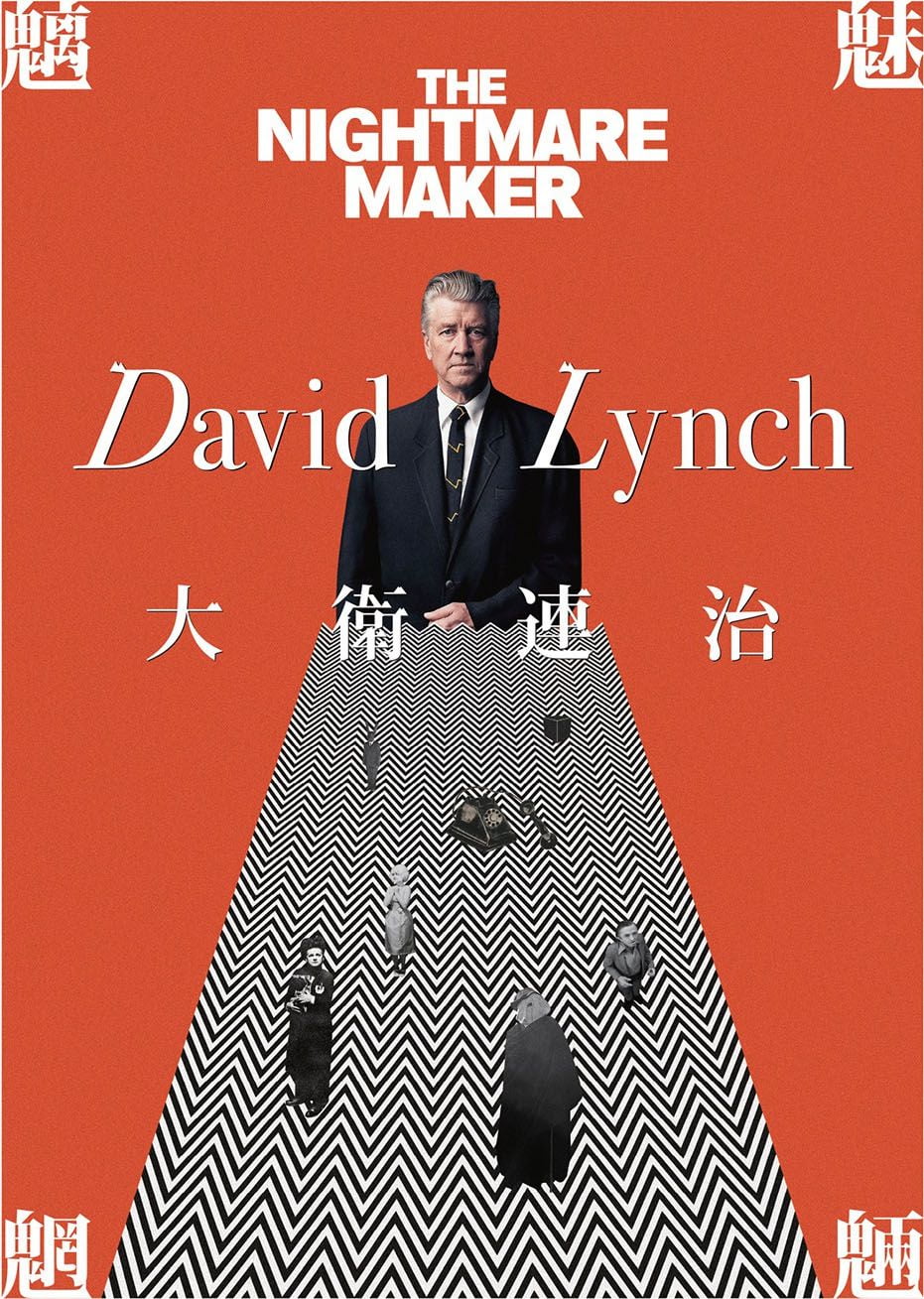
Lynch, The Nightmare Maker – A Retrospective

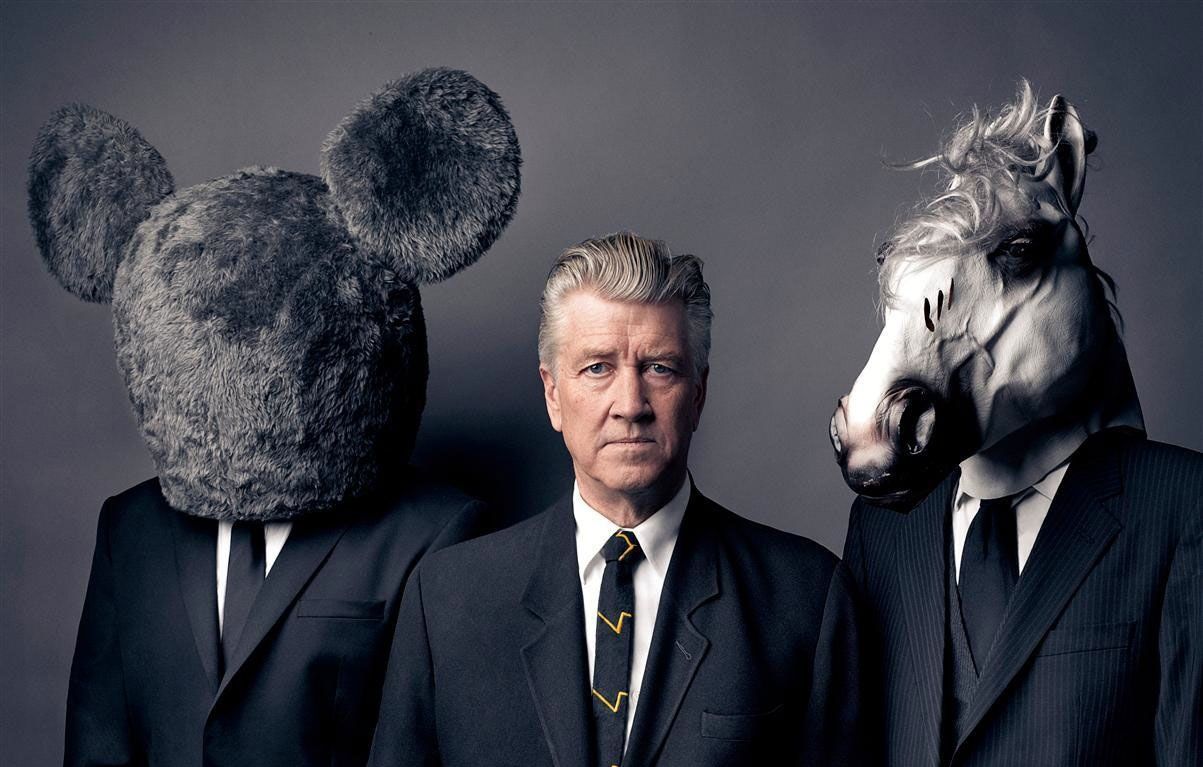
The return of Twin Peaks to our TV screens after a gap of 25 years has David Lynch’s name on everyone’s lips. Especially as the new series is perhaps even better than the original – not something that can be said of many, if any, of the current wave of revivals or reboots.

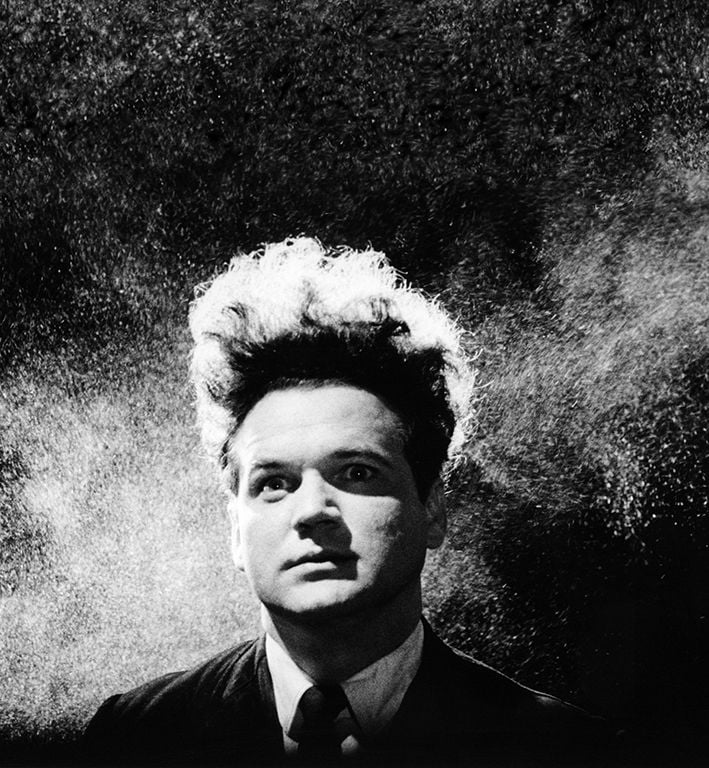
The 40th anniversary of Lynch’s debut film Eraserhead is this year, the iconic Blue Velvet was released 30 years ago… With this in mind and looking to introduce a new generation to Lynch’s worlds, and the fact that many of Lynch’s film have been digitally remastered, Broadway Cinematheque has organised a David Lynch retrospective entitled The Nightmare Maker which runs from 21 July to 31 August.

Who is David Lynch?

Lynch is much more than just a director. He is also a painter, artist, musician and coffee expert. It’s been over ten years since the release of Inland Empire, the last film he directed. Yet now Lynch is back in the director’s chair, ready to change the landscape of TV again with the new series of Twin Peaks, which became the first TV drama ever to premiere at the Cannes Film Festival.

Subconsciousness, nightmare, anxiety, memory, surrealism, darkness, absurdity, the gaze… are all keywords for Lynch’s cinema. As strange as the weirdest of your dreams, his cinematic world blurs the line between reality and fantasy. His manipulation of the uncanny and unconventional narrative structures create the most unsettling yet absorbing viewing experiences.

Lynch’s films and tv shows are not easy viewing, but he creates such unique multi-layered worlds full of interesting characters that the reward is worth the effort. Whether you ultimately like the film or not.

The The Nightmare Maker retrospective features: Eraserhead (1977), The Elephant Man (1980), Blue Velvet (1986), Wild at Heart (1990), Twin Peaks: Fire Walk with Me (1992), Lost Highway (1997), The Straight Story (1999), Mulholland Drive (2001), Inland Empire (2006), Twin Peaks: The Missing Pieces (2014), Blue Velvet Revisit (2016) and assorted short films.

David Lynch: The Nightmare Maker
Date: 21 July – 31 August, 2017
Venue: Broadway Cinematheque, Palace IFC, My Cinema Yoho
Tickets: $95, $85

Japan Retain Asian Crown With 60-19 Victory

https://bcmagazine.smugmug.com/Bcene-photos/2017/Hong-Kong-Womens-Rugby-Team/i-dNnsdB5

Japan retained the Asia Women’s Rugby Championship title easily beating Hong Kong 60-19 at Kings Park to complete a two game sweep. The home side made too many individual errors and gifted points to the Sakura with missed tackles galore.

Hong Kong coach Jo Hull tried hard to put a positive spin on her side’s last competitive match before the Women’s World Cup in Dublin next month. “It was another disappointing result, and obviously we aren’t happy with that, but there was some positives compared to last week’s loss in Japan,” said Hull.

“Our defence was good for parts of the game, as was our commitment and physicality in the contact area. Our performance at the breakdown was good and I think we improved in the set piece and were carrying the ball a bit better than last week.”

“At times we were building good momentum in our attack, but there were some real individual errors that cost us quite dearly. We are disappointed, but at the same time we needed that game,because the next time we play it will be against Canada at the World Cup,” added Hull.

Japan centre Riho Kurogi opened the scoring, converting her own try as visitor’s size and speed came to the fore. Further tries to fullback Ai Tasaka, second rower Aoi Mimura and Captain Seina Saito pushed the score out to 24-0 after 30 minutes.

One-on-one tackling is still a massive problem area for Hong Kong with players outright missing tackles or just not being strong enough in the tackle to bring the player down. There was an improvement on last week at the breakdown, but this was largely achieved by having more players in and around the breakdown – which left space out wide which Japan consistently exploited.

The home team struggled to gel on attack in the opening stages with the interchange between scrumhalf Ho Mak-yee and fly-half Rose Hopewell-Fong an issue early on. Consistently though Hong Kong contrived to put themselves under pressure. All too often with the ball around the half-way line and the backs angled deep. The passing was slow, to players who were static and within seconds from looking to be on the attack the ball was back inside the HK twenty-two and having to be kicked away…

Captain Chow Mei-nam put Hong Kong on the board in the 30th minute, finishing off a solid patch of play by crashing over the line from second phase ball, after Hong Kong won an attacking line-out on Japan’s five-metres. Winger Aggie Poon Pak-yan added a difficult conversion from along the right touchline, 24-7.

But Hong Kong failed to push on from their score, defending poorly to allow Japan to add another try shortly before half-time, 31-7.

In the second half, scrumhalf Sham Wai-sum came on to good effect, helping to inject some fluidity into the attack. Winger Chong Ka-yan capped that early momentum by opening up the Japanese defence in the 42nd minute to score the host’s second try which Hopewell-Fong’s converted, 31-14.

https://bcmagazine.smugmug.com/Bcene-photos/2017/Hong-Kong-Womens-Rugby-Team/i-xqGSdQZ

Tries to Takano and winger Honoka Tsutsumi pushed the score along to 43-14, effectively ending the contest. Although Maki Takano’s 56th minute yellow card for repeated infringement allowed the veteran Sham to exploit the extra space as she darted over for a try in the right corner in the 58th minute. Poon missed the touchline conversion, leaving Hong Kong trailing 38-19.

Japan confirmed their superiority with tries to Sachiko Kato, Yumeno Noda and Yuki Oyokawa in the final 20 minutes to secure a comfortable victory 60-19, and claim a second straight Asian title.

The loss left Hull with much to think about ahead of next month’s World Cup. “Full credit to Japan, they played very well and are coming along nicely. They are always clinical but today they were very accurate and played at good pace. I think they will do well at the World Cup,and we hope they do, as we are all representing Asia at the end of the day.”

“For us, we have a good idea of our squad selection for the World Cup and today and last week was about getting those players some game time.”

Hull singled out two up and coming young players in 21-year old flanker Agnes Chan Tsz-ching and 18-year old centre Kelsie Bouttle. “Agnes played well, as did Kelsie. That was the second cap for both of them and I think we have a couple of exciting young players coming through there,” said Hull.

“We’ve identified what is working well and what isn’t, and we aren’t going to change what we are doing. We will keep emphasizing the things that are important to us. We’ve been working hard on our game and our fitness and now we need to start transferring that to actual matches.”

“Over the next few weeks, we just need to try and improve in those little areas that are holding us back. We just need to keep believing in ourselves and keep working on what we can control,” said Hull.

Hong Kong are pooled with Canada, runners-up at the last World Cup, as well as four-time champions New Zealand and Wales in the Women’s Rugby Cup which starts in Dublin, Ireland on the 9 August, 2017.

Additional reporting and images: HKRugby