Lunar Eclipse

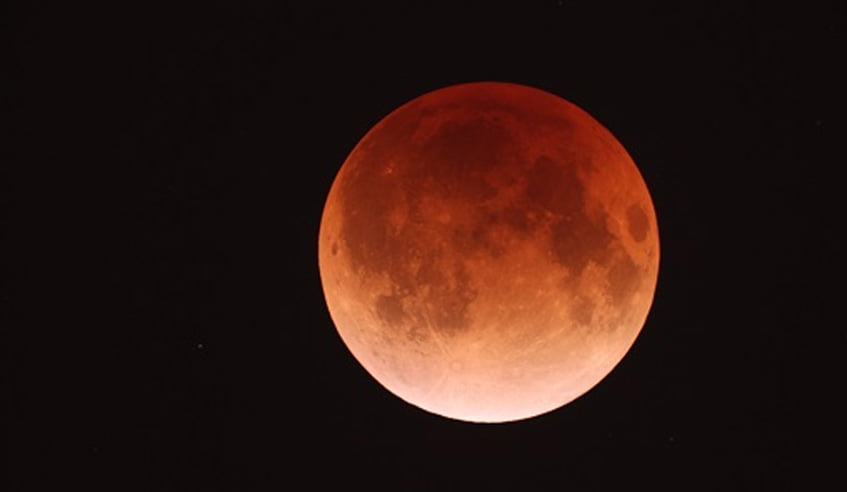
The lunar eclipse on Wednesday 26 May was beautiful if often obscured by clouds.

Here’s a video of the eclipse from the HK Observatory if you missed it…. Skip through to minute 35.

The next lunar eclipse observable in Hong Kong will be a partial lunar eclipse on 19 November, 2021.

New Quarantine Hotel List Announced: 22 June – 20 August, 2021

An updated list of 31 designated Hong Kong quarantine hotels for the period 22 June – 20 August 2021 (fourth cycle) has been released.

The list of designated hotels in the fourth cycle and related details such as room rates have been uploaded to www.coronavirus.gov.hk/eng/designated-hotel.html

Or download the pdf here

There is an excellent google docs form here about the various hotels including room prices, contact details, restrictions,

Central and Western District
1. Best Western Plus Hotel Hong Kong
2. CM+ Hotels & Serviced Apartments
3. Grand City Hotel
4. JEN Hong Kong by Shangri-La
5. Lan Kwai Fong Hotel @ Kau U Fong
6. One-Eight-One Hotel & Serviced Residences
7. Ramada Hong Kong Harbour View
8. The Landmark Mandarin Oriental

Hong Kong Eastern District
1. Ramada Hong Kong Grand View

Islands District
1. Four Points by Sheraton Hong Kong Tung Chung
2. Regal Airport Hotel

Kowloon City District
1. Bridal Tea House Hotel Hung Hom Gillies Avenue South
2. iclub Ma Tau Wai Hotel
3. Kerry Hotel, Hong Kong
4. Metropark Hotel Kowloon Hong Kong
5. Regal Oriental Hotel

Kwai Tsing District
1. Dorsett Tsuen Wan

Hong Kong Southern District
1. Nina Hotel Island South (Formerly L’hotel Island South)
2. Ovolo Southside

Tsuen Wan District
1. Silka Far East Hotel Hong Kong

Wan Chai District
1. Best Western Hotel Causeway Bay
2. Dorsett Wanchai Hong Kong
3. Hotel Indigo Hong Kong Island
4. Mira Moon Hotel
5. Vela Boutique Hotel
6. Eco Tree Hotel Causeway Bay

Wong Tai Sin District
1. Pentahotel Hong Kong

Kowloon Yau Tsim Mong District
1. Bridal Tea House Hotel Yau Ma Tei Wing Sing Lane
2. Dorsett Mongkok Hong Kong
3. Ramada Hong Kong Grand
4. Silka Seaview Hotel Hong Kong

Rugby Sevens Olympic Repechage Pools

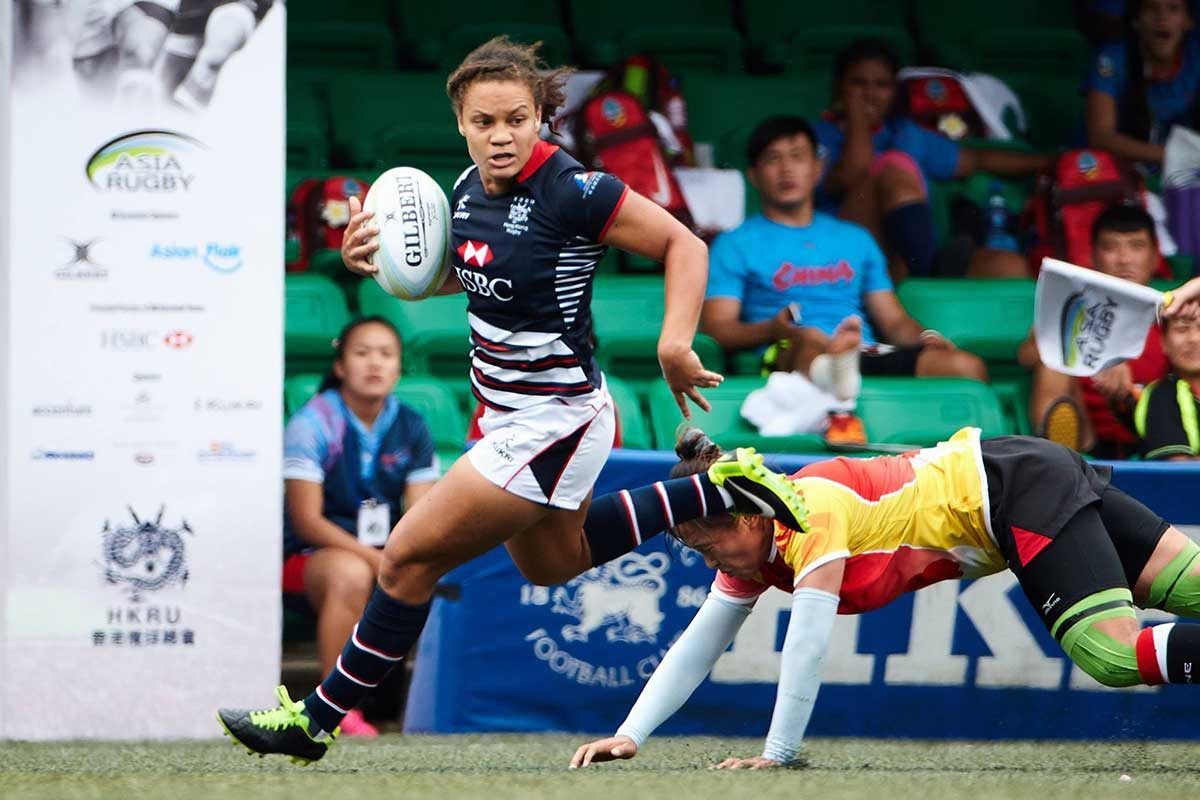
Preparations for the Tokyo 2020 Olympics Games rugby sevens competition took another step forward with the confirmation of the pools for the World Rugby Sevens Repechage.

Monaco will host the final Tokyo 2020 Olympic qualification event on 19-20 June.

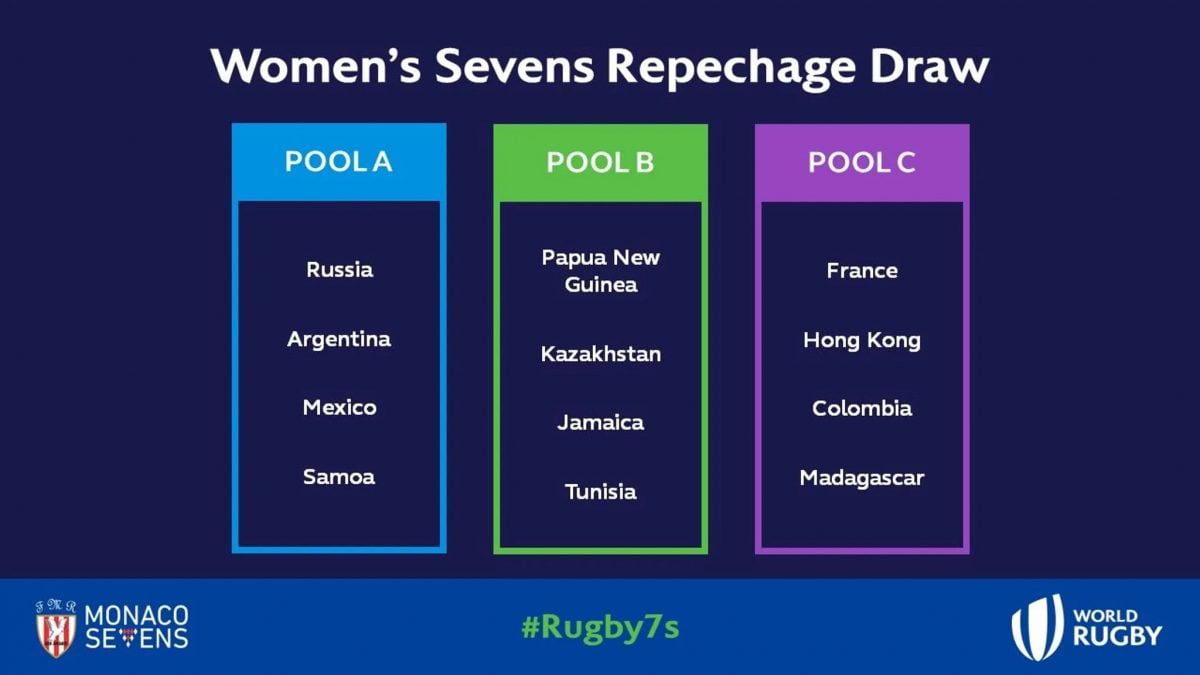
In the women’s competition, the 12 teams involved in the draw have been allocated into three pools of four teams. The top two teams in each pool, plus the two third-placed teams with the highest point totals will qualify for the knockout stages of the competition. With two qualification places yet to grab, both winners in the final two games will claim their ticket to Tokyo.


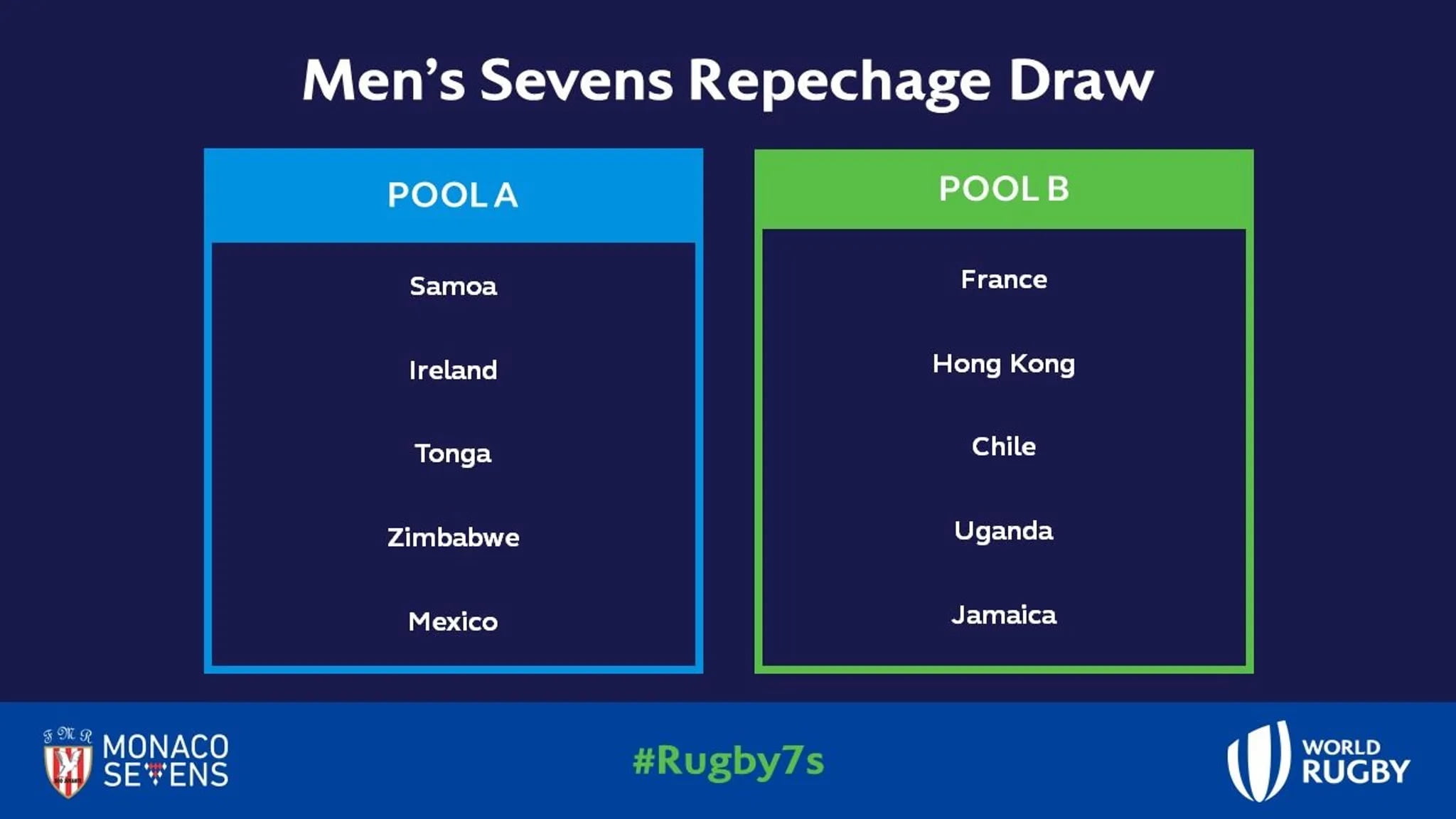
For the men’s competition, the ten teams in contention for the final Olympic qualification place have been drawn into two pools of five teams. Teams will play against all four opponents in their pools with the top two teams from each pool progressing through two knockout stages, culminating in a winner being decided in the final.

The men’s draw saw HSBC World Rugby Sevens Series core teams Samoa and Ireland paired in Pool A together with Tonga, Zimbabwe and Mexico. France were the top seeded team based on their performances in the HSBC World Rugby Sevens Series where they finished sixth in 2020 and they are drawn in Pool B along with Hong Kong, Chile, Uganda and Jamaica.

The Olympic men’s rugby sevens competition will take place from 26-28 July, with the women’s tournament following on the 29-31 July. All the action will take place at Tokyo Stadium, which was a venue for Rugby World Cup 2019.

Winne Hung Qualifies for Tokyo Olympics

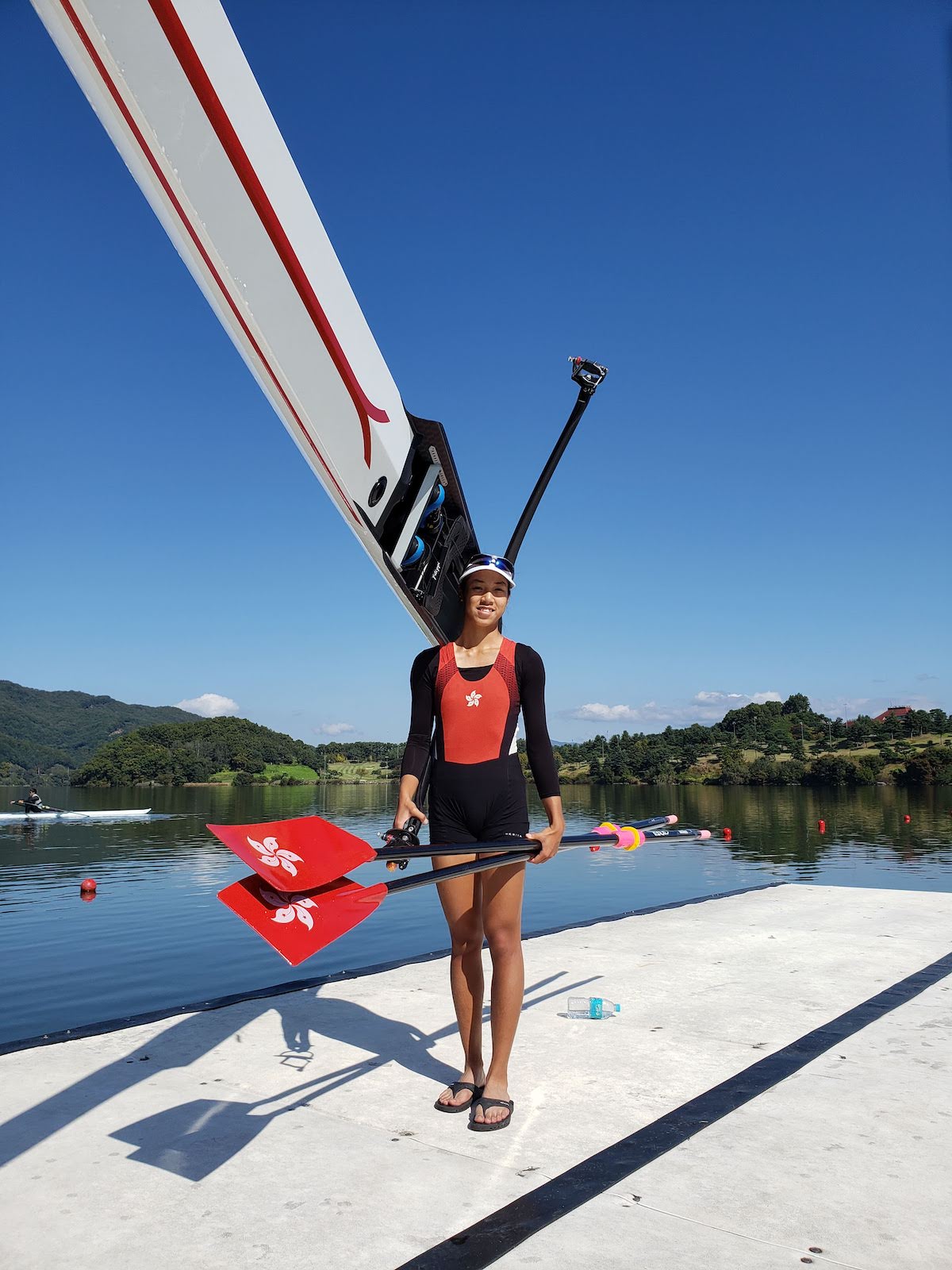
Congratulations to Hong Kong sculler Winne Hung Wing Yan who qualified for Tokyo2020 in the Women’s Single Sculls at the recent Asia and Oceania Olympic Qualification Regatta held in Tokyo.

The qualification event brought together 50 crews from 18 countries, racing in four events in challenging conditions. Bad weather saw racing canceled on the first day and all the events were compressed into two days. Racing a semi-final and final just hours apart, Hung snatched the final qualifying place.

“Racing as a lightweight rower in the open-class singles is not easy” Head Coach, Chris Perry commented, “Winne had a tough race to win the B Final and we are delighted that she has achieved a place for Tokyo.”

image: hkrowing

Olympic Sevens Repechage Draw

Hong Kong’s men’s and women’s rugby 7s teams will soon discover their route to Tokyo. The Olympic Sevens Repechage Draw, the final rugby qualification event for the Olympic Games in Tokyo, will take place on Tuesday, 11 May at 10:00 BST (GMT+1) and will be streamed live on World Rugby’s digital platforms.

Monaco will host the final Tokyo 2020 Olympic qualification event on 19-20 June.

Women’s Competition

The women’s competition will see the 12 teams drawn into three pools of four teams. The teams have been banded based on placements in their regional competitions alongside performances in World Rugby tournaments. One team from each band will be drawn into each pool.

Band 1: France, Papua New Guinea, Russia
Band 2: Argentina, Hong Kong, Kazakhstan
Band 3: Colombia, Jamaica, Mexico
Band 4: Madagascar, Samoa, Tunisia

The top two teams in each pool, plus the two third-placed teams with the highest point totals will qualify for the knockout stages of the competition. As there are two Olympic qualification places available for women, the Repechage will feature two rounds of knockout games with the final round featuring four teams competing in two matches where both winners gain Olympic qualification and claim their tickets to Tokyo.

Men’s Competition

For the men’s competition, the 10 teams are drawn into two pools of five teams, including one team from each of the five pre-determined bands.

Band 1: France, Samoa
Band 2: Hong Kong, Ireland
Band 3: Chile, Tonga
Band 4: Uganda, Zimbabwe
Band 5: Jamaica, Mexico

Teams will play against all four opponents in their pools with the top two teams from each pool progressing through to the knockout stages, culminating in the final with the winner booking their place on the plane to Tokyo.

Total Lunar Eclipse on 26 May

There will be a total lunar eclipse on Wednesday 26 May, coincidentally the same day as the biggest full moon of the year – when the diameter of the moon will be about 7 per cent larger than an ordinary full moon.

The total lunar eclipse will begin before ‘moonrise’, as the elevation of the moon will be quite low. The best observation places will be those with an unobstructed view to the southeast – weather permitting of course.

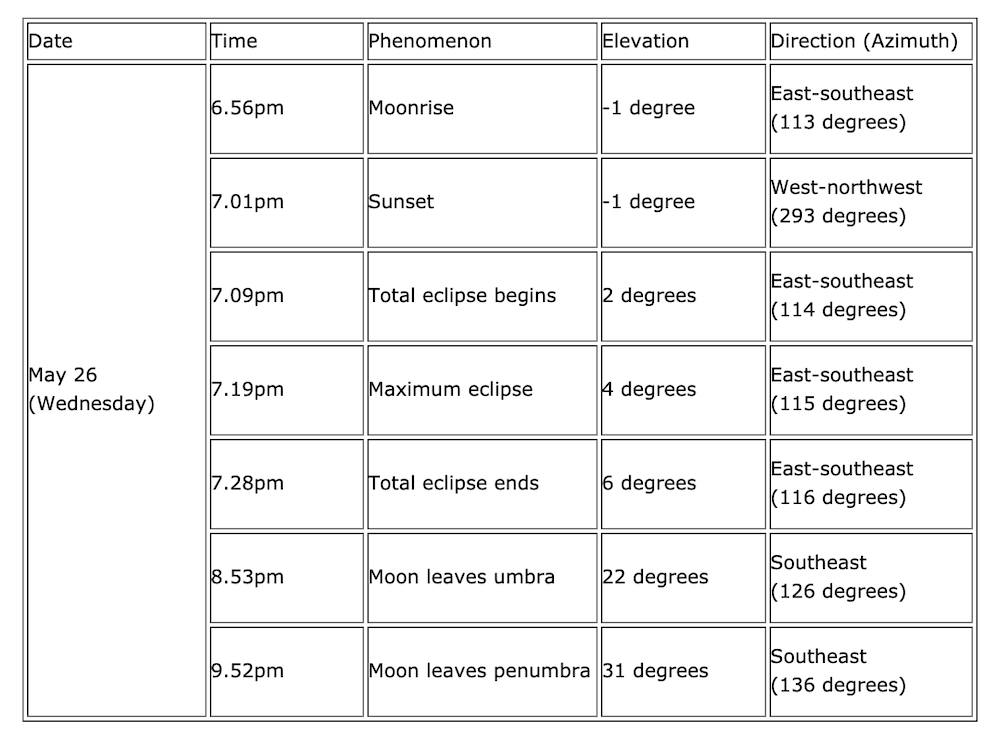
The total lunar eclipse will begin at 7.09pm and end at 7.28pm, with the maximum eclipse occurring at 7.19pm. During the period of the total lunar eclipse, the moon will not completely vanish but will appear as dull red. This is the result of the blue part of sunlight being scattered away by the Earth’s atmosphere and the remaining red light refracted onto the moon.

If you can’t find a good vantage point the eclipse will be live-streamed: www.hko.gov.hk/en/gts/event/webcast-20210526.htm.

The next lunar eclipse observable in Hong Kong will be a partial lunar eclipse on 19 November, 2021.

Images: HK Observatory 

Boarding and Quarantine Arrangements for Persons Arriving in Hong Kong

Adjusted boarding, quarantine and testing arrangements for persons arriving in Hong Kong (including Hong Kong residents) will apply from 12 May for those who have completed their COVID-19 vaccination course.

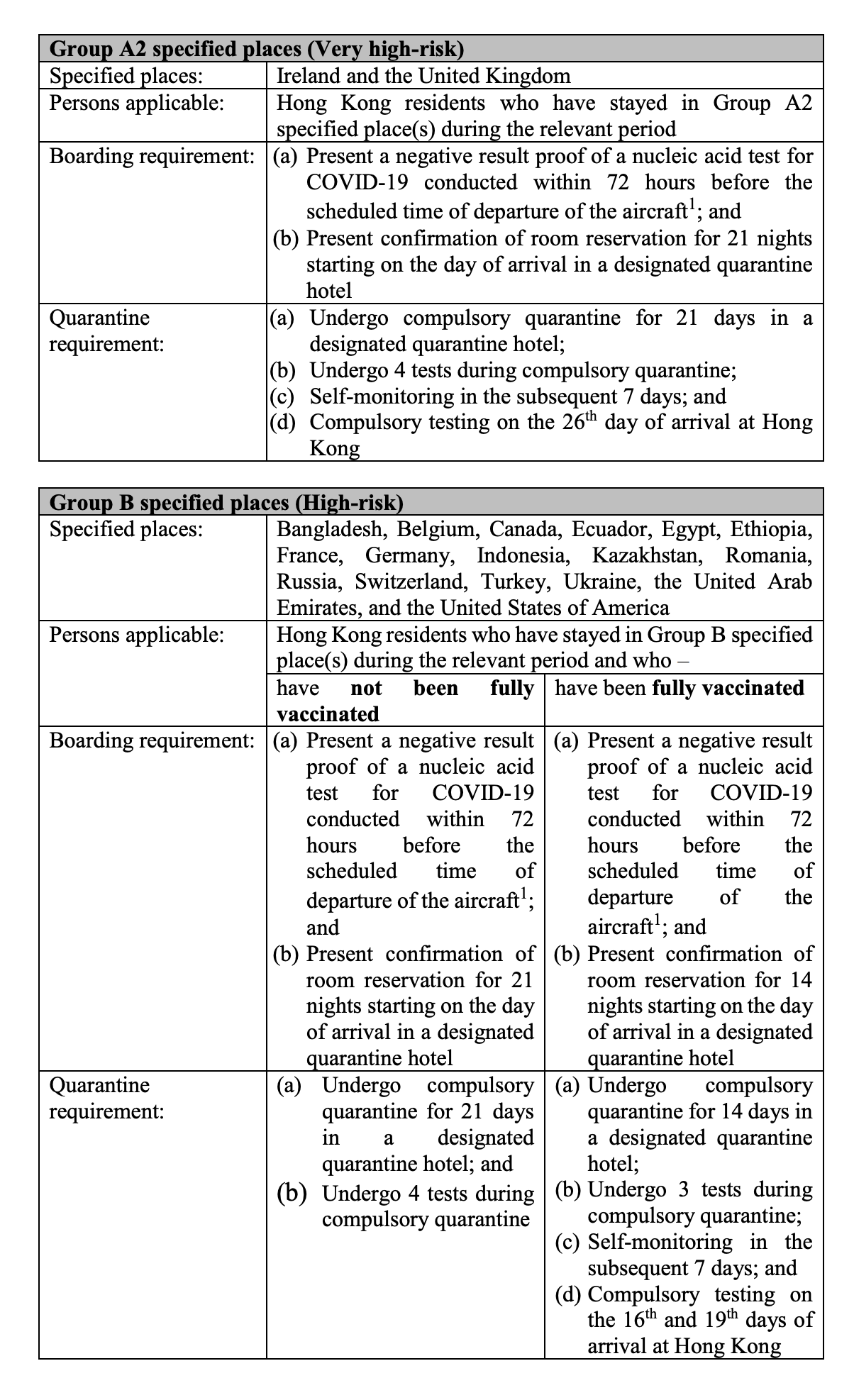
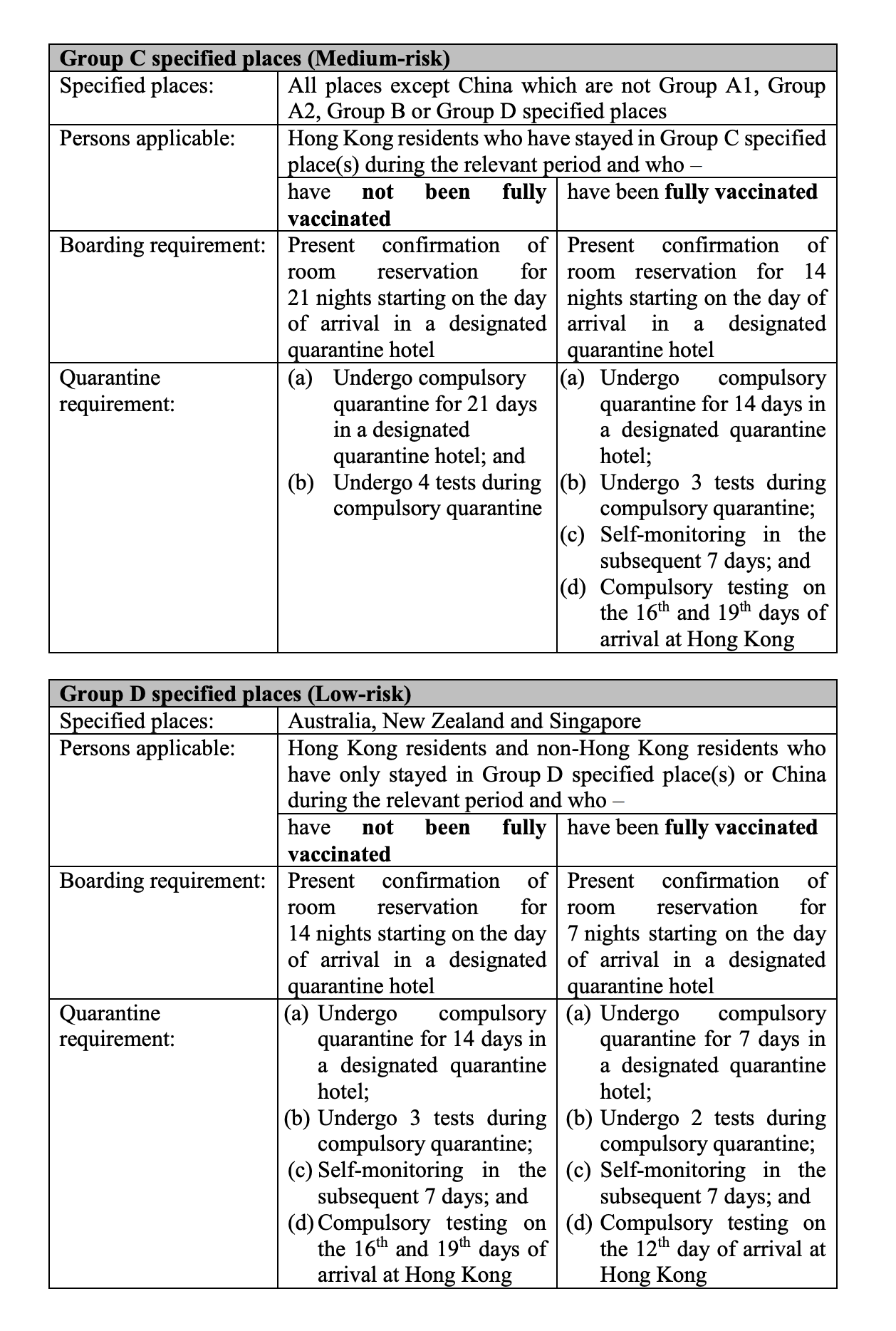
Overseas places outside China have been categorised under the Prevention and Control of Disease (Regulation of Cross-boundary Conveyances and Travellers) Regulation (Cap. 599H) into extremely high-risk Group A1 specified places, very high-risk Group A2 specified places, high-risk Group B specified places, medium-risk Group C specified places, and low-risk Group D specified places.

Low-risk Group D

Under the new arrangements, persons who have stayed in low-risk Group D specified places, and who have been fully vaccinated, will be subject to compulsory quarantine in designated quarantine hotels for seven days (originally 14 days). They will subsequently be required to self-monitor for seven days and undergo compulsory testing on the 12th day of their arrival at Hong Kong.

Medium-risk Group C, High-risk Group B

For persons who have stayed in medium-risk Group C specified places and high-risk Group B specified places, and who have been fully vaccinated, they will be subject to compulsory quarantine in designated quarantine hotels for 14 days (originally 21 days), and subsequently, be required to self-monitor for seven days and undergo compulsory testing on the 16th and 19th day of their arrival at Hong Kong.

Extremely High-risk Group A1, Very High-risk Group A2

As for extremely high-risk Group A1 specified places and very high-risk Group A2 specified places, the boarding, quarantine, and testing arrangements will remain unchanged.

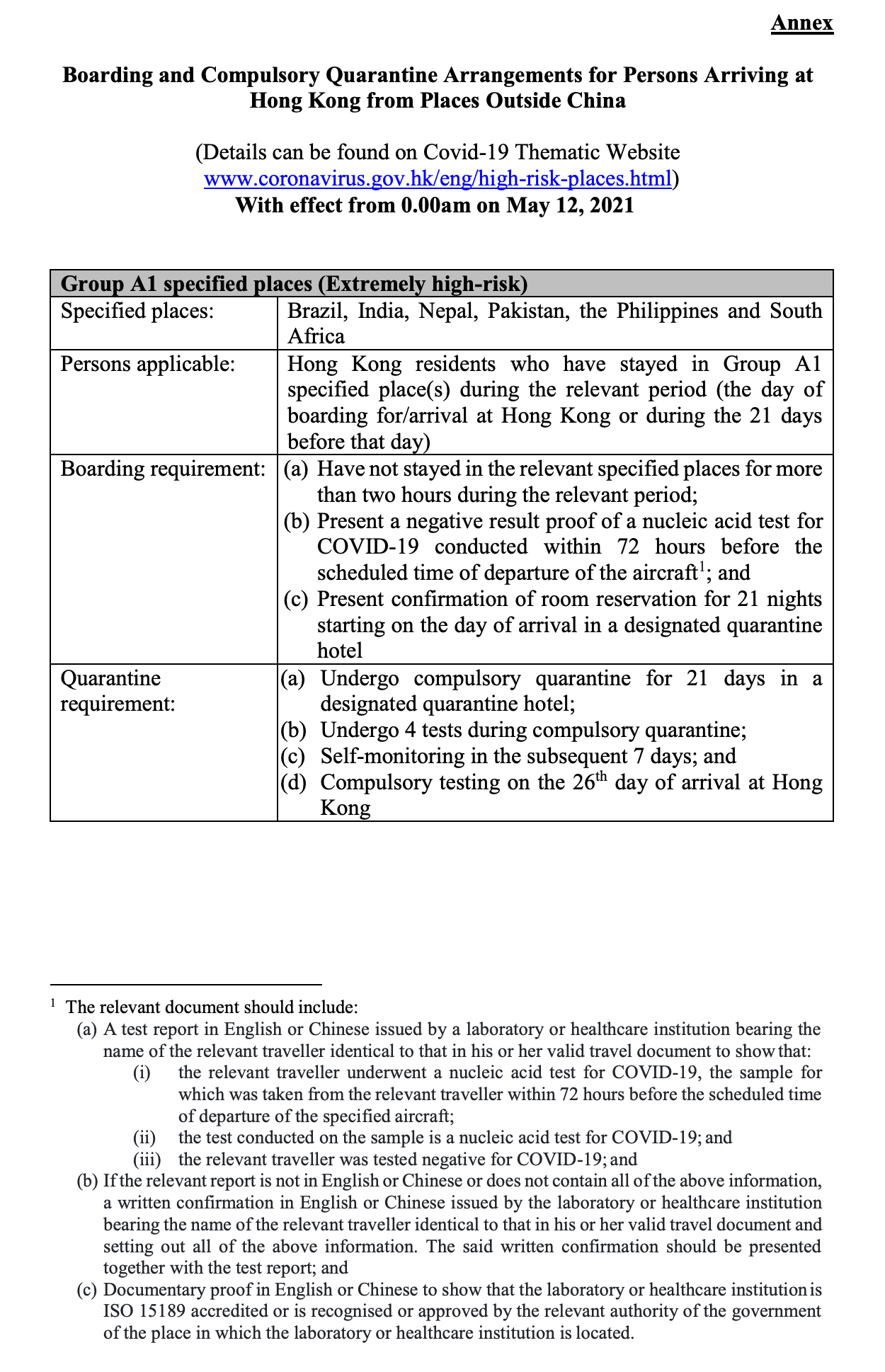
For persons who have stayed in Group A1 specified places Brazil, India, Nepal, Pakistan, the Philippines and South Africa) for more than two hours, they WILL NOT be allowed to board any passenger flight for Hong Kong.

For very high-risk Group A2 specified places, the relevant persons will be subject to compulsory quarantine in designated quarantine hotels for 21 days (with the number of tests to be conducted during the period increased to at least four times), subsequent seven-day self-monitoring, and compulsory testing on the 26th day of their arrival at Hong Kong. The shortened quarantine period for fully vaccinated persons will not be applicable.

Persons arriving from China (the Mainland, Macau and Taiwan) who did not return under the Return2hk Scheme. The compulsory quarantine period for relevant fully vaccinated persons, whether arriving at Hong Kong via land boundary control points or the airport, will also be shortened from 14 days to seven days, with a subsequent seven-day self-monitoring period and compulsory testing on the 12th day of arrival at Hong Kong.

Fully vaccinated means persons who have received the necessary doses as stipulated in guidelines of a COVID-19 vaccination course 14 days prior to their arrival at Hong Kong.

Details on the grouping of specified places and their respective boarding and compulsory quarantine requirements can be found at www.coronavirus.gov.hk/eng/high-risk-places.html.


Updated Quarantine Requirements for Vaccinated Close Contacts

The Government today (7 May) announced updated quarantine requirements for vaccinated close contacts of locally acquired COVID-19 cases. 

Close Contacts of Locally Acquired Cases Who Do NOT Have a Mutant Strain 

The duration of compulsory quarantine is shortened to seven days of quarantine in a Quarantine Centre, counting from the last day of exposure to the confirmed case (the day of last exposure is regarded as Day 0), provided the following three criteria have been satisfied:

(a) documented proof of completion of two doses of CoronaVac or BioNTech COVID-19 vaccines, and that 14 days have passed from the date of receiving the second dose#; and

(b) results of polymerase chain reaction (PCR) of the respiratory specimens taken on Day 0 or Day 1 after admission to a QC being negative; and

(c) positive immunoglobulin G (IgG) or total antibody against SARS-CoV-2 spike protein, or positive surrogate neutralising antibody, taken after admission to a QC.

After completing the seven-day quarantine, the close contact will be subject to seven days of self-monitoring, and to compulsory testing at a community testing centre (CTC) on Day 12.

Close Contacts of Locally Acquired N501Y Mutant Strain

The duration of quarantine in a QC is shortened from 21 days to 14 days, counting from the last day of exposure to the confirmed case, provided the following three criteria have been satisfied:

(a) documented proof of completion of two doses of CoronaVac or BioNTech COVID-19 vaccines, and that 14 days have passed from the date of receiving the second dose#; and

(b) results of PCR testing of the respiratory specimens taken on Day 0 or Day 1 after admission to a QC, and those taken on Day 7 and Day 12 after last exposure to the confirmed case, being all negative; and

(c) positive IgG or total antibody against SARS-CoV-2 spike protein, or positive surrogate neutralising antibody, taken after admission to a QC.

After completing the fourteen-day quarantine, the close contact will be subject to seven days of self-monitoring, and to compulsory testing at a community testing centre (CTC) on Day 19.

# Persons Regarded as Satisfying Criteria (a):

1) close contacts who had documented past infection of COVID-19 within nine months after discharge; or

2) close contacts who had documented past infection of COVID-19 more than nine months after discharge plus one dose of CoronaVac or BioNTech COVID-19 vaccine, and for whom 14 days have passed from the date of receiving the dose.