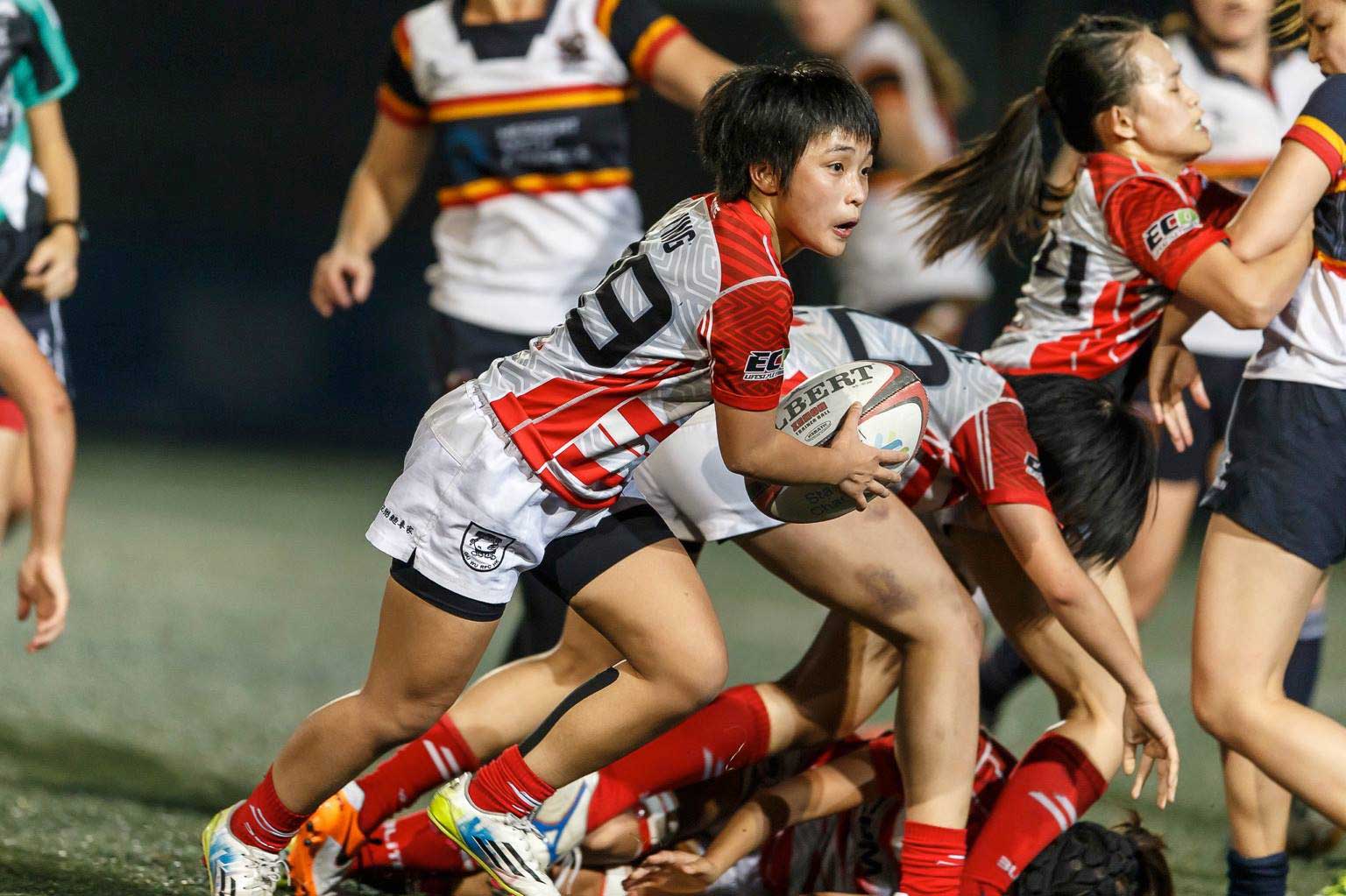
Women’s Rugby Results – 7 January, 2017

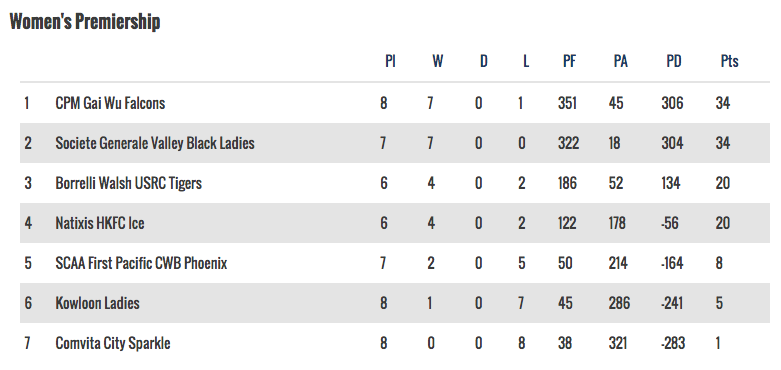
Women’s Premiership

Kowloon 0-44 Valley Black
@ Happy Valley

HKFC Ice 29-8 City Sparkle
@ HK Football Club

Gai Wu Falons 79-5 CWB Phoenix
@ KGV

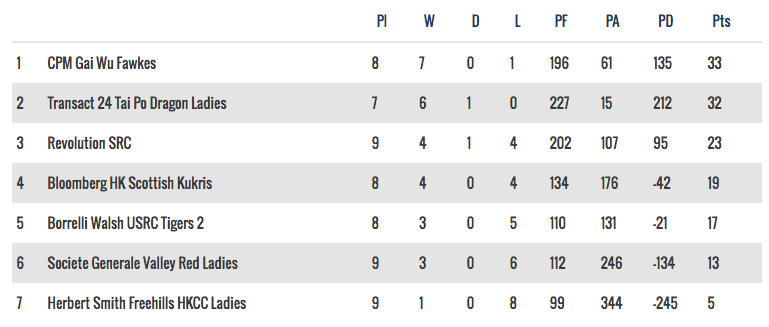
National League 1

Gai Wu Fawkes 43-17 HKCC
@ KGV

Tai Po Dragons 0-0 Revolution SRC
@King’s Park

HK Scottish 7-29 Valley Red
@ Tai Hung Tang

Photo: Phoebe Leung

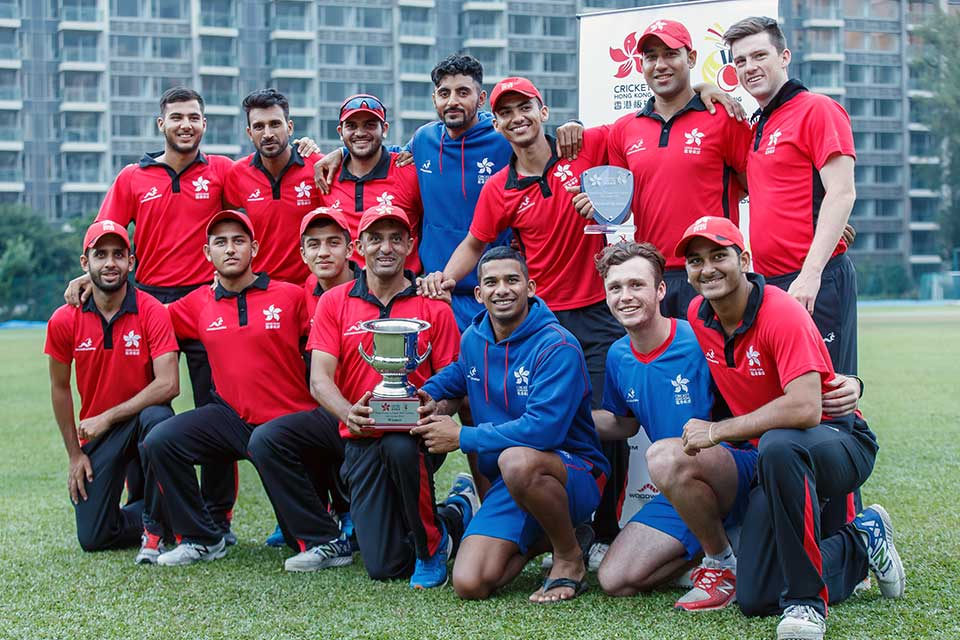
Hong Kong Head to the Desert T20

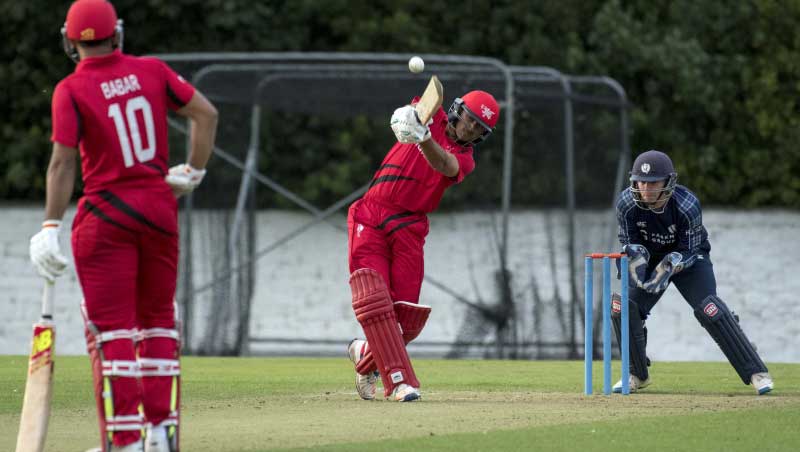
Hong Kong are one of the eight Associate nations taking part in the inaugural Desert T20 tournament. The seven-day competition will be played in a round-robin and knockout format, beginning at Abu Dhabi’s Zayed Cricket Stadium on the 14 January before culminating in Dubai for the final on the 20 January. In the round-robin section Afghanistan, Ireland, Namibia, UAE are in pool A and Hong Kong, Netherlands, Oman and Scotland in pool B, the top two team qualify for the semi-finals.

Hosts the Emirates Cricket Board commented that “The aim of the tournament is to provide an opportunity for teams to play more competitive T20 cricket. Each of the participating countries are very close in ICC T20I rankings, so we expect the quality of cricket to be very strong.”

Talking about the team selection Director of Cricket Charlie Burke said “It’s great to have Cameron McAulsan in the squad. He’s a good young all-rounder who has been playing well at school in New Zealand and going to be a very crucial player for us going forward. He’s a great all-round athlete and been close to selection for some time now.”

“Waqas Barkat has gone back and done what’s been asked, which is to work on his leg spin and he will be useful batsman in the middle order. He was a top order batsman previously for us but struggled for runs and developed his bowling. There’s not a lot of leg-spinners around so we challenged him to work on it. He’s done well and has been very economical this season. While Anshuman Rath and Ehsan Nawaz are also back in the squad after being unavailable for the Australian Tour due to study commitments.”

Hong Kong Desert T20 Fixtures
14 January: Scotland v Hong Kong (Zayed Cricket Stadium)
16 January: Oman v Hong Kong (Zayed Cricket Stadium)
18 January: Netherlands v Hong Kong (Dubai International Stadium)
20 January: Semifinal 1 A1 v B2; Semifinal 2 A2 v B1 (Dubai International Stadium)
20 January: Final (Dubai International Stadium)

After the Desert T20, Hong Kong will remain in Dubai for two One Day Internationals (ODIs) against Scotland and UAE. The ODI’s are in preparation for the ICC WCLC matches against The Netherlands at Tin Kwong Road in February.

Hong Kong Squad
1. Nadeem Ahmed (DLSWCC); 2. Tanveer Ahmed (KCC); 3. Waqas Barkat (KCC); 4. Chris Carter (KCC); 5. Kyle Christie (CHK Independents XI); 6. Babar Hayat (Captain, DLSWCC); 7. Aizaz Khan (V. Captain) (KCC); 8. Ehsan Khan (DLSWCC); 9. Nizakat Khan (HKCC); 10. Waqas Khan (DLSWCC); 11. Cameron McAuslan (HKCC); 12. Ehsan Nawaz (KCC); 13. Anshuman Rath (HKCC); 14. Shahid Wasif (DLSWCC)

The Hong Kong Three Sisters

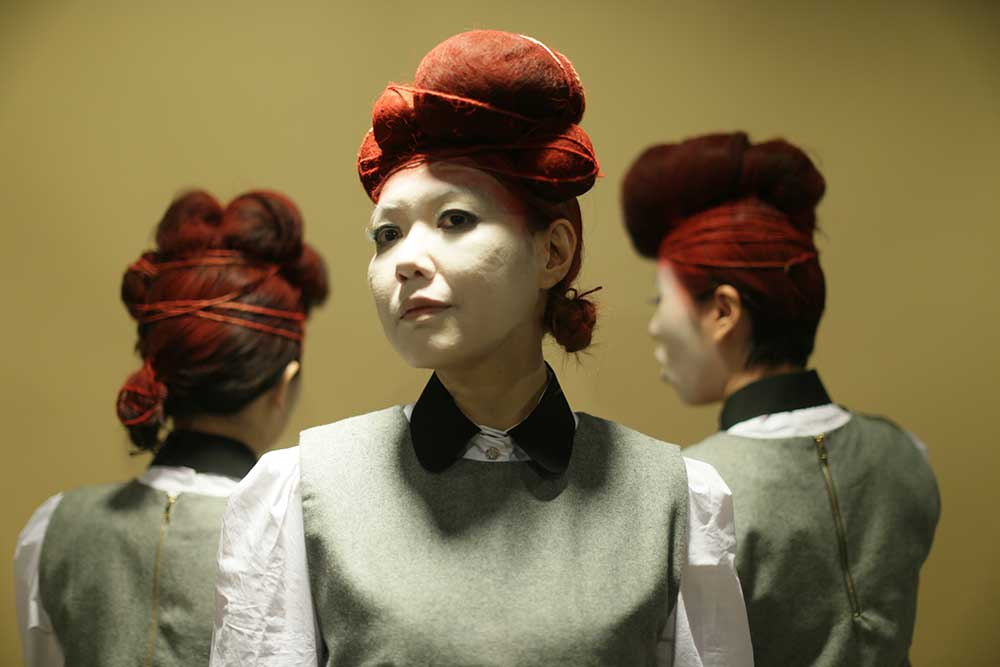
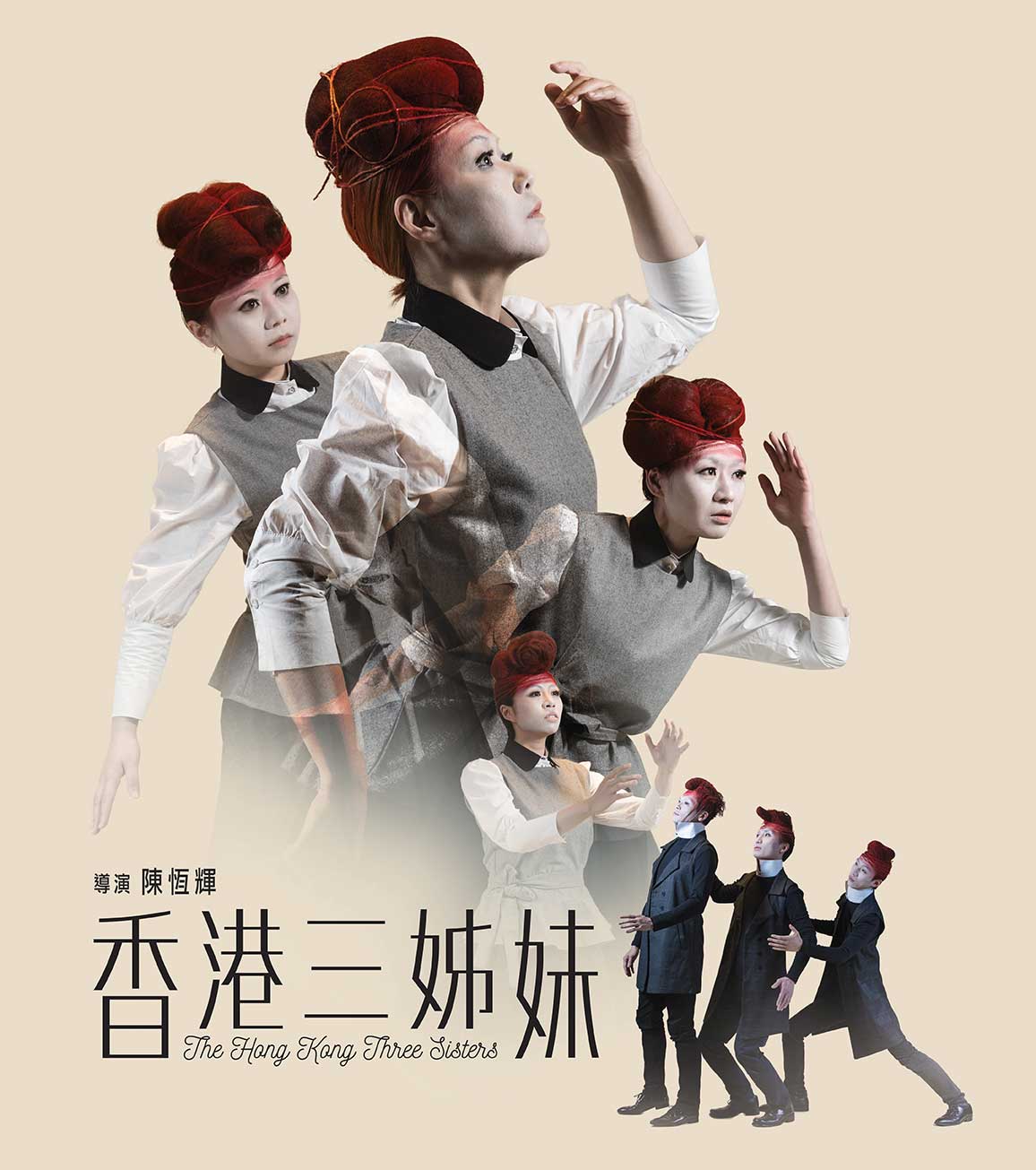
The emptiness of Hong Kong people’s life will go naked in Alice Theatre Laboratorys anatomy of Chekhov’s The Three Sisters. The Hong Kong Three Sisters is a highly localised fusion of Hong Kong and the essence of the classic Russian play.

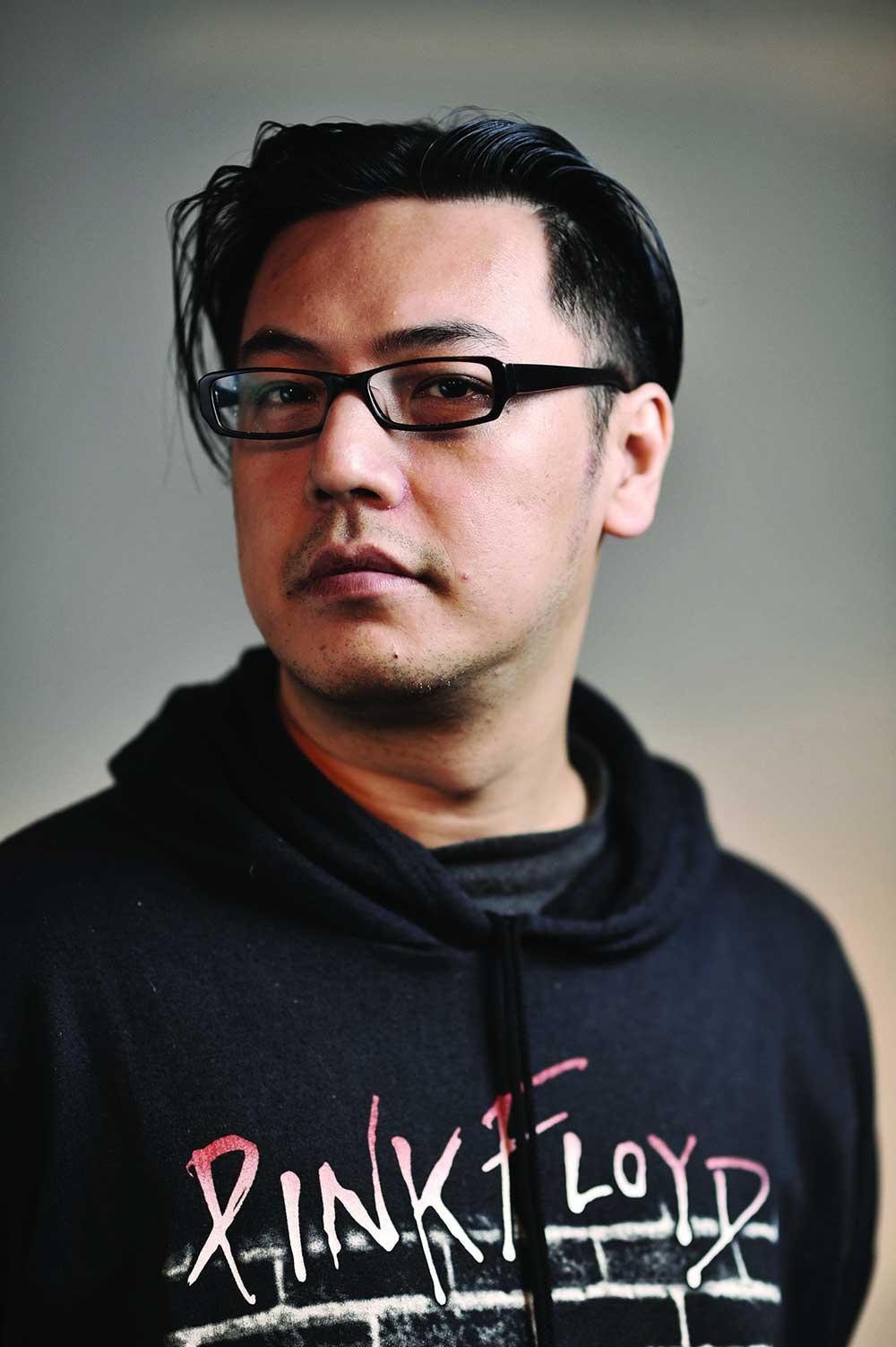
Adapted by Director Andrew Chan who commented “There is a glimpse of hope shown in Chekhov’s characters’ minds. In contrast, our life in Hong Kong has lost its balance in recent years, there is a lack of direction within the region and the things people used to strive for are realistically now beyond them.”

“Modern Hong Kong is the backdrop to this creative interpretation” continued Chan, “Chekhov captured the average Russian’s lifestyle a century ago.” Seasoned by minimalism, The Hong Kong Three Sisters is ‘molecular gastronomic dish’, which is the sublimation of Chekhov’s ideas in a post-modern presentation devised by Chan or as he puts it “A “molecular” presentation that aims to reveal the status quo of the Hong Kong people today.”

Ahead of it’s World Premiere in January bc magazine spoke to Director Andrew Chan and actress Chan Shui Yu (Olga/Alice) about the new minimalist production.

Director Andrew Chan

Why did you choose a minimalist approach to the play?
From time to time, there is discussion among directors in Hong Kong about using a bare stage or very few props. They are regarded as minimalists. I have been wondering whether this artistic approach, which originated in the 60s and 70s, is that simple. German architect Ludwig Miles van der Rohe says, “Less is more.” I have been thinking over how much means “less” and how much means “more”. I like learning new ideas and believe the world of knowledge has no borders. That is why I take every project or performance as a learning opportunity, which lets me wander on a theatrical journey among different artistic forms and styles. This journey is an expedition in the realm of “minimalism”.

What attracted you to Chekov’s The Three Sisters?
“Minimalism is Talent’s sister.” This is what Russian novelist and playwright Anton Chekhov once said. Owing to this quotation, I linked minimalism with his works and read them again. In terms of conciseness, his novellas are the best. In his condensed writings, the ordinary, vulgar and deplorable life in the Tsardom of Russia is vividly revealed. Each story is a picture illustrating the joy and sorrow of life.

My favourite Chekhov’s play is actually The Seagull. Yet, The Three Sisters touches me more deeply. Irina’s line “Moscow! Moscow! Moscow!” reminds me of the current situation in Hong Kong. The Three Sisters is a story before the October Revolution when people are facing the fall of the Empire and expecting the arrival of a new era.

They are like waiting in the dark before dawn and braving the great change with an anonymous pain in the heart. Aren’t we, Hong Kong people who are nostalgic for the “good old days”, facing various difficulties and braving the unforeseeable tomorrow? More than a century ago, the Russian three sisters could dream of Moscow, but now what can we dream of? Where can we go?

How Did The Hong Kong Three Sisters Evolve?
In the process of rehearsal, new ideas emerged and the play has evolved and branched out into the life of Hong Kong stage actors after they take their costumes off. There are a property agent, a podcast anchor of a conspiracy forum, an assistant professor of the Medicine Faculty, a tour guide and a spiritual counselor who are meeting different Hong Kong people with different problems. Their stories are actually like novellas which resemble the works by the contemporary American novelist Raymond Carver, who is known as “the American Chekhov”. Without redundant structure, his concise language leads readers to the core of the story directly and lets them experience the tension of the conflict that elicits no background nor ending. Only the selected part of the story is told. On our stage, there will be a few scenes like Carver’s novellas, illustrating no pretext nor resolution, but the very moment.

What Makes The Hong Kong Three Sisters Unique?
What makes The Hong Kong Three Sisters different from our previous productions is the way it lets you “escape” from reality but makes you “face” the reality. It is also dealing with complicated issues in a minimalist form.

Chan Shui Yu

What Attracts You to The Three Sisters
As a graduate from HKAPA, I am excited about the opportunity to perform classical plays, let alone the challenge of adapting a masterpiece, such as Chekhov’s The Three Sisters. From character analysis to adaptation, it has been a beautiful and pleasant journey. Like our previous performances, which were created by ensemble effort, this production is telling stories in a unique, organic and realistic way.

What parallels do you see between the play and Hong Kong today?
It was touching to read the script of Chekhov’s The Three Sisters as the story illustrates exactly Hong Kong’s environment and situation today. Even if we are proud of the good old days, we still need to carry on with best wishes. We believe the best is yet to come and our effort today will pay in the future and pave the way for our next generation.

Do you think that women today in Hong Kong face the same problems as those in Chekov’s time?
Chekhov’s works are universal. It seems women enjoy more freedom nowadays but still the women today are facing the same issues related to family, marriage, love and work like the women in the old days. We find the women today as strong and determined as the ones in The Three Sisters.

Chekhov’s works mainly deal with the social issues in Russia in the late 19th century, including the rise of businessmen, the fall of landlords and the social status before the October Revolution. In the meantime, his works also reveal the absurdity of the world today, the anxiety of our current life and the collapse of the old values. However, there is always hope in his works and the characters project an optimistic sense. His characters are stranded in the midst of joy and sorrow but still carry on bravely.

Through the play Chekov presents various opinions about what it is to live a good life. What do you think living a good life for a HK woman looks like today?
We would also like to find out the answer. Olga says in Act 4, “If only we knew, if only we knew!” But it is certain that we are all positive.

Character List
OlgaAlice  Chan Shui Yu
VershininKwong – Chau Ka Fai
AndreiAugust – Leung Chi Chung Eric
TuzenbachDamon – Lai Ho Yin Desmond
MashaSue – Fung Siu Shan Phoebe
NatashaHilda – Yuen Wai Ying Grace
IrinaKitty – Chan Hui Yan Candy

Director: Chan Hang Fai Andrew
Playwright: Anton ChekhovDevised by Alice Theatre Laboratory

The Hong Kong Three Sisters
Alice Theatre Laboratory
When:
6-8 January, 2017
Where: HK Cultural Centre, Studio Theatre
How much: $200, $160 from Urbtix
More info:
Cantonese drama with Chinese and English surtitles
6–7 Jan, 2017 – 8pm
7–8 Jan, 2017 – 3pm

Happy New Year Hong Kong

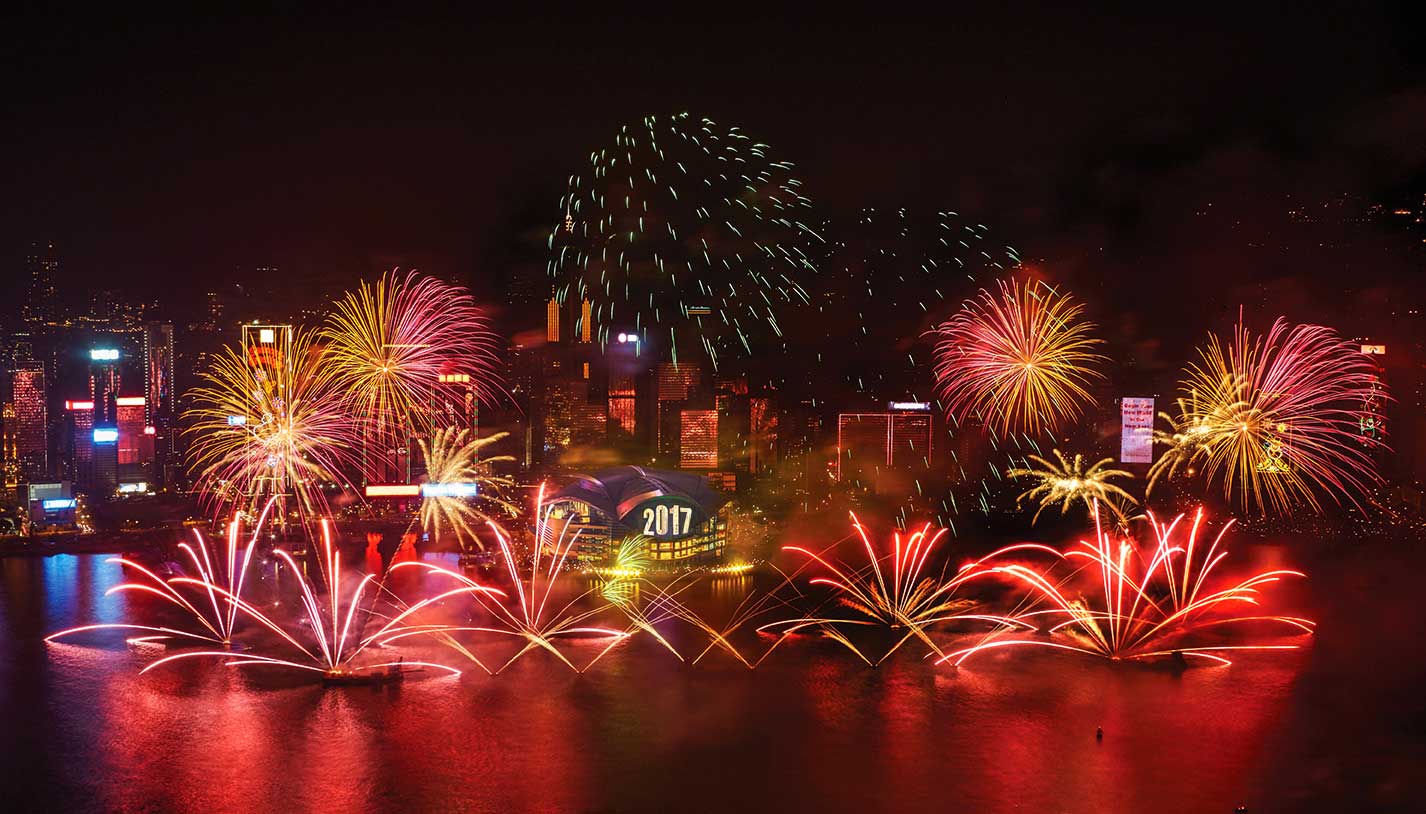
Hong Kong welcomed in 2017 with a vibrant firework display on the iconic Victoria Harbour. The traditional 8 minute display extended to 10 minutes included a ’20 gun salute’ to announce the start of the year of the 20th anniversary celebrations for the founding of the Hong Kong SAR.

Local View Power 2017

A new year, while not wiping the slate, brings new opportunities. The Macao Cultural Centre‘s (CCM) annual Local View Power offers the chance for budding Directors and actors/actresses to flex their cinematic minds and engage their creative skills in one of three categories Documentary, Short-feature or Animation and see their ideas funded and appear on the silver screen.

The project has produced more than 90 films since 2007 with the CCM providing financial and technical support for local filmmakers who have the drive and desire to transform their ideas and visions into moving images.

The proposal submission deadline is 23 January, 2017 and more detailed information and the submission regulations can be found here http://www.ccm.gov.mo/programme/prog17/LVP2017/LVP2017_reg_e.htm

Pride In The Shirt

https://bcmagazine.smugmug.com/Bcene-photos/2016/Hong-Kong-45-Fiji-7-World-Cup/i-Tpn5nTG

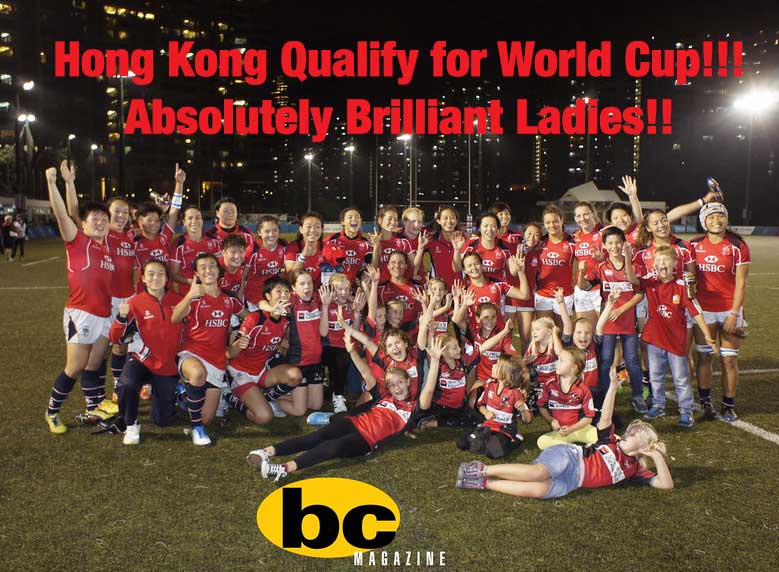
Hong Kong’s historic qualification for the 2017 Women’s Rugby World Cup “sets a real precedent about the potential we have in Hong Kong,” said coach Jo Hull after watching Japan beat Fiji on Tuesday – completing the line-up for next year’s showpiece in Ireland.

Hull’s side opened the three-team qualifying tournament with a 45-7 win over Oceania qualifiers Fiji, and with Japan beating the Pacific Island nation 55-0, Hong Kong are guaranteed a place at next year’s 12-team tournament alongside the Asian champions Japan.

It marks the first-time any Hong Kong team will feature at a fifteen-a-side World Cup. “It’s huge; it’s hard to put it into words. For Hong Kong women’s rugby, hopefully it is going to be a huge turnaround and encourage youngsters and women to get involved and play in that Hong Kong jersey and take a lot of pride in that,” said Hull after having watched Japan run in eight tries against Fiji at King’s Park.

https://youtu.be/IVknFGHm11U

Hong Kong face the Asian champions on Saturday at Hong Kong Football Club to determine the winner of the qualifier and will be looking to avenge their defeats in the Asia Rugby Championship earlier this year.

“We are happy with qualifying for the World Cup, but we are focused on our next task. Japan play the Japan style and are fast and play at a high tempo,” said Hong Kong captain Chow Mei-nam.

“We will look to do our own jobs and play our own style to beat them. We are confident to beat them and be the first team in Asia.”

The winner on Saturday will join hosts Ireland as well as France and Australia in pool C of the tournament which takes place between 9-16 August next year, with those three teams “huge in terms of their skill level” according to Hull.

The runner-up will join 2014 second place finishers Canada, New Zealand and Wales in pool A, which Hull believes “is undoubtedly the most physical pool,” with defending champions England, the USA, Italy and Spain drawn in pool B.

“It will be pretty amazing for these girls. Whoever we play against, it is just about being the best we can be and being in that environment and enjoying it, but most importantly representing Hong Kong and taking pride in that,” added Hull.

“A lot of the girls have played these teams at sevens, but to come together and play them at fifteens will be an amazing experience. We want to do well. We don’t just want to turn up; having earned our place, we want to justify being there.”

Next year will represent a third World Cup appearance for Hull who was assistant coach for Scotland in 2006 before returning four years later as performance manager.

“Going to a World Cup is an experience you will never get in any other walk of your life. It is three weeks of intense pressure, but it is an amazing three weeks, surrounded by amazing athletes and coaches and a really high performance culture. It is about celebrating how far women’s rugby has come,” she said.

“Both my experiences showed how competitive and how far the women’s game has come. To be there you have to be prepared. You have to be ready for the pressure, and you have to be able to perform at the right time.

“We are not getting ahead of ourselves and saying we can go and win the World Cup, but if we are there, we want to give a good account of ourselves for Hong Kong so we get young kids, girls and women saying they want to be there in 2021,” Hull added.

Hong Kong v Japan
Women’s World Cup Qualifier
Date: 4:30pm, 17 December, 2016
Venue: HK Football Club
Tickets: Free

Early Cinematic Treasures

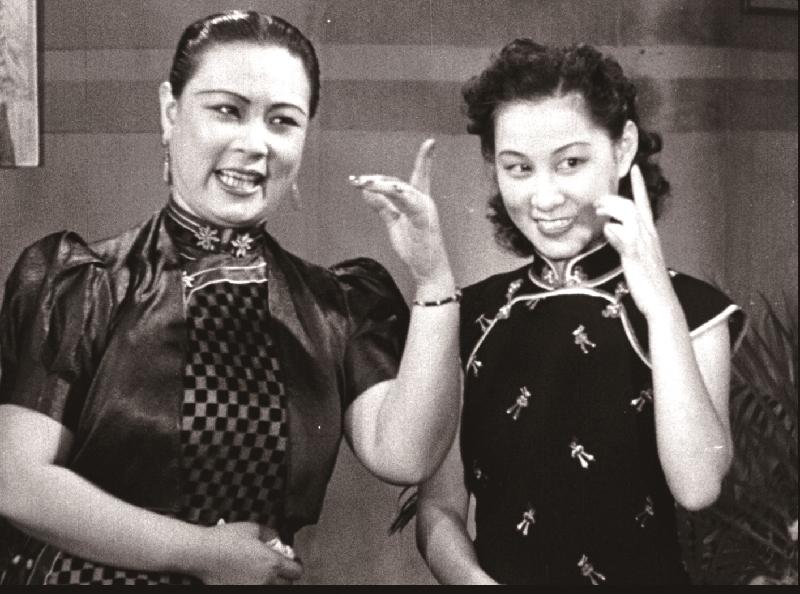
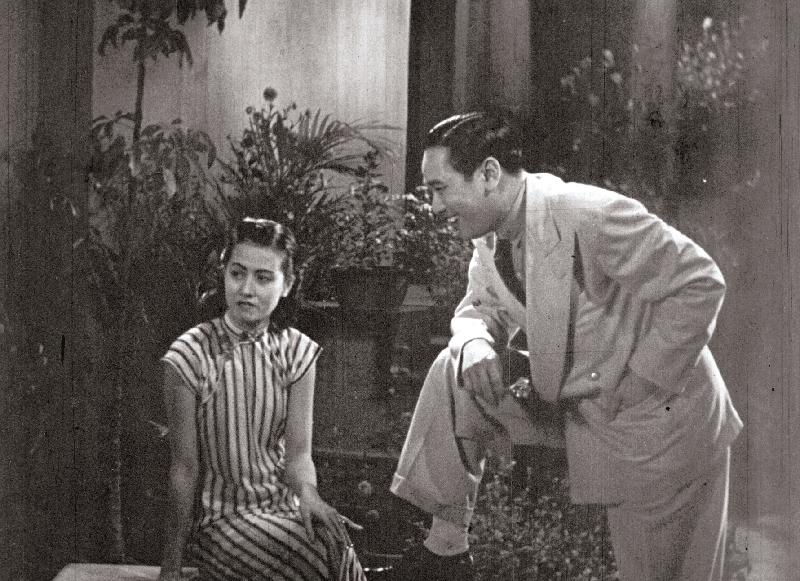
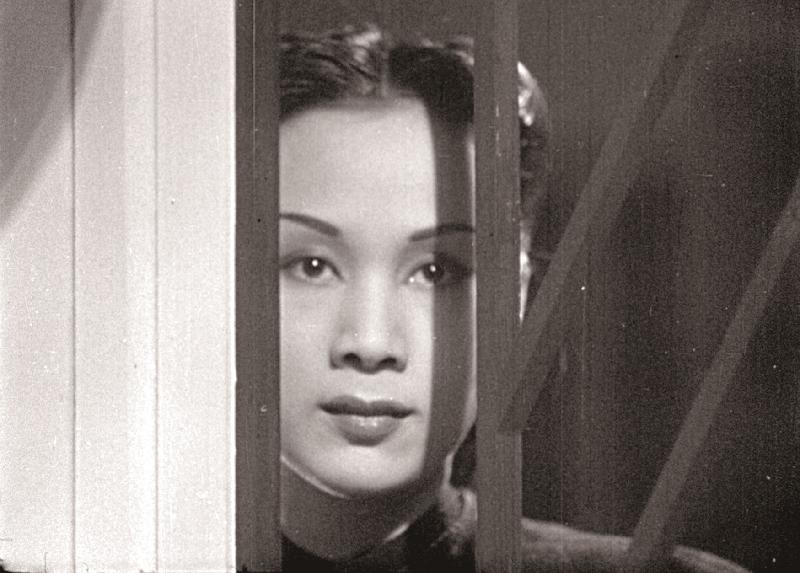
Eight early Hong Kong films will be screened from 11 February – 1 April at the Hong Kong Film Archive as part of the third instalment of the Early Cinematic Treasures Rediscovered series. The films in the series are: Rivals in Love (1939), The Blood-Stained Peach Blossom Fan (1940), The Evil Mind (1947), The Inscrutable Heart of Women (1947), Return of the Swallows (1948), A Poor Lover’s Tears (1948), The Birth of Kiddy Stone (1949) and To Kill the Love (1949).

An exhibition entitled Rediscovering Mak Siu-ha – A Talent of Multiple Trades will run concurrently showcasing Mak as a multi-talented Cantonese opera scriptwriter, composer and filmmaker who was active in the 1930s.

The two pre-war film, So Yee’s Rivals in Love (1939) and Mak Siu-ha’s The Blood-Stained Peach Blossom Fan (1940), are the only surviving prints of the two Cantonese directors’ early work and are immensely precious. In Rivals in Love, Tam Lan-hing is at once alluring and virtuous as a sacrificial mother who hopes to raise her daughter (Tsi Lo-lan) properly. However, after being adopted by an aunt, the daughter grows up to be a spoilt and vain brat. Placing Oscar Wilde’s Lady Windermere’s Fan in the Chinese social context with patriotic save-our-country sentiments, the film showcases the contextual changes when adapting Western literature into an Eastern film.

The Blood-Stained Peach Blossom Fan focuses on a group of businessmen as their indifference to the war evolves to a devotion to saving their country. The film features an amazing sword-dance performed by Cheang Mang-ha, the wife of Tong Tik-sang.

Adapted from a newspaper serial by Ling Siu-sang, The Evil Mind‘s (1947) roller-coaster plot, depicts the erosion of humanity and social order after war. Ng Cho-fan turns from do-gooder to evil-doer and heads towards self-destruction, Wong Man-lei is an able policewoman who becomes a helpless woman, Siu Yin Fei plays an immaculate maiden who dies as a victim of assault, and upright teacher Lo Duen becomes blind and succumbs to the evil tricks of his students. The arrangement of the film also reflects the chaos and unrest that rattled the post-war Hong Kong film industry.

In But Fu‘s The Inscrutable Heart of Women (1947), Pak Yin plays a devoted wife who allows her husband to keep his lover, a songstress, as a concubine but later intends to kill her out of jealousy. Pak shines in a darker and more perverse role in a departure from her unusual persona repertoire. Director But Fu builds up the dramatic tension with liberal use of close-ups and consistent application of spatial contrast.

Return of the Swallows (1948) centres on a love triangle between a handsome heir (Sit Kok-sin) and two sisters (Siu Yin Fei and Tsi Lo Lin). A fantastic array of supporting actors is brought in as comic foils to flesh out and give context to the portrayal of hardship and woe of survival in the post-war era.

A Poor Lover’s Tears (1948) follows Pak Yin, who migrates from the Mainland and is employed as the personal secretary of a factory manager because of her appealing appearance. Adapted from a novel by Mong Wan, the film portrays Pak as a woman who does not believe in love, a rare persona in the Hong Kong cinema in the ‘40s, and carrying an unexpected storyline as well.

Featuring the gifted Cantonese opera star Yu Kai, The Birth of Kiddy Stone (1949) tells of Kiddy Stone, who transforms from a son of a destitute family suffering from bullying to a brave and heroic army general. The 10-year-old Yu displays his talents by excelling in a variety of theatrics, and thus became a box office draw with his playful character. The eclectic mix of special effect stone figures interspersed with Cantonese ditties and lyrics makes the film a delight to watch.

Chu Kea’s melodrama To Kill the Love (1949) is an adaptation of a newspaper serial by Yee Hung-sang. It follows two educated sisters (Pak Yin and Tsang Nam-sze) getting married to the same man. The husband who dares to fight for independence and gets rid of his family control is still unable to act according to his own will.

As part of the series the HKFA will also hold eight seminars and screen eight reference films to enhance the audience’s understanding of the atmosphere of the pre- and post-war productions, bringing about new dimensions in their cinematic experience. The seminars will be conducted in Cantonese by speakers including the programmer and researcher of the HKFA, scholars, film critics and researchers.

The reference films are Lady Windermere’s Fan (1925), Ernst Lubitsch’s classic silent film with live music accompaniment centring on an intricate emotional entanglement; The Legend of Lee Heung Kwan (1990), starring towering figures of Cantonese opera Hung Sin Nui and Law Ka-bo; Blood-stained Azaleas (1951), with Pak Yin playing a ruthless manipulator; Leave Her to Heaven (1945), a hybrid of Hollywood film noir, populist romance and family drama; The Sisters’ Tragic Love (1953), telling of two sisters falling in love with the same man; Children of Paradise (1945), following the love affairs between a leading theatre actress and the four men who love her in 19th century Paris; The Birth of Stone Child (1962), showcasing the acrobatic prowess of Cantonese opera masters Lam Kar-sing, Fung Wong Nui and Lan Chi Pak; and Blonde Venus (1932), featuring the bold and avant-garde Hollywood actress Marlene Dietrich.

Leave Her to Heaven and Blonde Venus are in English, Children of Paradise is in French, and all of the other films are in Cantonese. Lady Windermere’s Fan, Blonde Venus and Children of Paradise have English subtitles; Leave Her to Heaven, Return of the Swallows and A Poor Lover’s Tears have Chinese and English subtitles; and the other films are without subtitles.

Early Cinematic Treasures Rediscovered 3
Date: 11 February – 1 April, 2017
Venue: HK Film Archive
Tickets: $45 from Urbtix

Hong Kong Rugby’s Sexual Bias

This week Hong Kong’s women stand on the brink of a stunning achievement, qualification for the rugby World Cup. Not now and perhaps never again will Hong Kong have a better chance in a global team sport to reach a World Cup.

Ardent HongKonger that I am, I’m also a realist and unless the new Messi is a HK resident Hong Kong are sadly never going to make the football World Cup. Nor sadly, however much money is pumped at them, will our men’s rugby team – much as I’d love to see them qualify – with the current format there are simply too many countries ahead of us.

Recognition should be made here of the HK men’s cricket team who qualified for the last two T20 World Cups and with the current crop of super talented youngsters both male and female could well do so again – but cricket is not yet a truly global game.

Rugby is a global game and with the popularity of the Sevens at the recent Olympics growing fast. This is what makes our women’s potential achievement so amazing. Especially as they are playing not only the opposition but also the blatant sexual discrimination and lack of interest within their own male dominated Hong Kong Rugby Union (HKRU).

When the Hong Kong football team played their World Cup qualifiers last year, the HKFA advertised heavily, produced posters, banners creating a buzz and a massive awareness in both traditional media and online. Everyone, whether you were a football fan or not, knew the matches were coming.

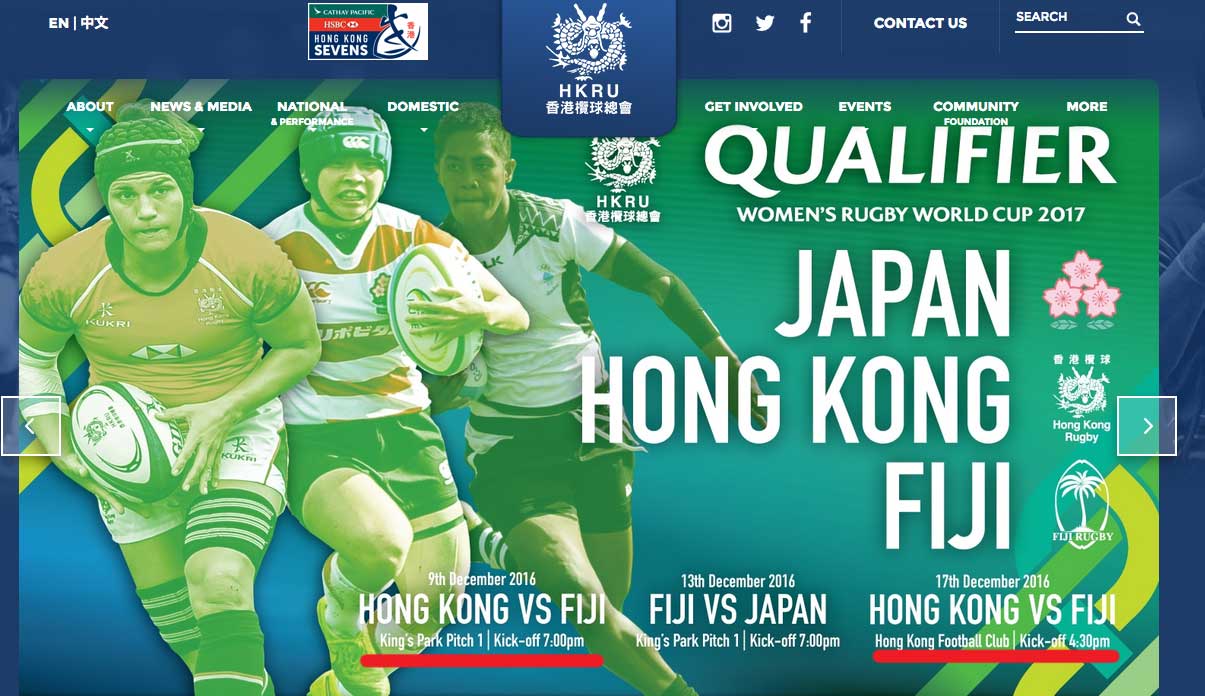
The extent of the HKRU’s marketing is one ugly banner, the first published version of which hadn’t even been proof read and had Hong Kong playing Fiji twice. Even the recent men’s rugby Cup of Nations competition was advertised on a tram and accompanied by numerous articles, banners, tweets… There’s one ugly banner for the Women’s World Cup Qualifier.

The first two games of the World Cup Qualifier are being played at King’s Park which is frankly nothing more than a school playing field and a complete pain for fans to get to. Why are the games not being held at Mongkok Stadium – which with even basic marketing could have been a noisy sell-out – or at any of the other LCSD grounds which at least have a grandstand where the crowd can really get behind their team and help lift them to qualification? It’s frankly embarrassing to have such important matches played at such an amateur ground.

It’s frankly disgusting that the HKRU promotes rugby as a game for all – yet as you can see the Women’s World Cup Qualifier isn’t even listed in their upcoming events! There are more articles on the HKRU website about the New Year’s Day Youth Tournament, than the women’s national team being one step from playing at the World Cup.

The sexual bias at the HKRU is sadly not just limited to the national level, where HK’s women professional rugby players are paid far less than their male counterparts (none are willing to comment on the record, such is the petty vindictive nature of the male dominated culture that permeates the HKRU), but extends to club level.

The HKRU made a big deal at the start of the new season about a sponsorship deal for women’s rugby one part of which, as can be seen published on the HKRU website includes a live video stream of the women’s Premiership game of the week. Look online you can find extensive video coverage of the men’s Premiership. There’s video of women’s first games of the season (all the matches were played consecutively  at King’s Park), where are the rest? Will KPMG the sponsor complain? No chance. Many of it’s senior HK management are rugby old boys and it heavily sponsors the mens game.

The HKRU is perhaps the wealthiest sports organisation in HK, it’s 2014 financial returns show assets of around $250million and it extravagantly funds the men’s game. It’s sad that they are so blind to the women’s game where the potential for great things exists.

Let’s hope that the 26 women picked for the squad can take that final step and make the World Cup. Perhaps then the old men running the game will take notice – but then again, probably not as there’s nothing in it for them other than trying to steal the spotlight from the women who made it happen.

Hong Kong’s women need your support, lend you voices and your presence head to Kings Park, 7pm tonight and cheer them on against Fiji!

MAKE SOME NOISE, GO HONG KONG!