Updated Quarantine Requirements for Vaccinated Close Contacts

The Government today (7 May) announced updated quarantine requirements for vaccinated close contacts of locally acquired COVID-19 cases. 

Close Contacts of Locally Acquired Cases Who Do NOT Have a Mutant Strain 

The duration of compulsory quarantine is shortened to seven days of quarantine in a Quarantine Centre, counting from the last day of exposure to the confirmed case (the day of last exposure is regarded as Day 0), provided the following three criteria have been satisfied:

(a) documented proof of completion of two doses of CoronaVac or BioNTech COVID-19 vaccines, and that 14 days have passed from the date of receiving the second dose#; and

(b) results of polymerase chain reaction (PCR) of the respiratory specimens taken on Day 0 or Day 1 after admission to a QC being negative; and

(c) positive immunoglobulin G (IgG) or total antibody against SARS-CoV-2 spike protein, or positive surrogate neutralising antibody, taken after admission to a QC.

After completing the seven-day quarantine, the close contact will be subject to seven days of self-monitoring, and to compulsory testing at a community testing centre (CTC) on Day 12.

Close Contacts of Locally Acquired N501Y Mutant Strain

The duration of quarantine in a QC is shortened from 21 days to 14 days, counting from the last day of exposure to the confirmed case, provided the following three criteria have been satisfied:

(a) documented proof of completion of two doses of CoronaVac or BioNTech COVID-19 vaccines, and that 14 days have passed from the date of receiving the second dose#; and

(b) results of PCR testing of the respiratory specimens taken on Day 0 or Day 1 after admission to a QC, and those taken on Day 7 and Day 12 after last exposure to the confirmed case, being all negative; and

(c) positive IgG or total antibody against SARS-CoV-2 spike protein, or positive surrogate neutralising antibody, taken after admission to a QC.

After completing the fourteen-day quarantine, the close contact will be subject to seven days of self-monitoring, and to compulsory testing at a community testing centre (CTC) on Day 19.

# Persons Regarded as Satisfying Criteria (a):

1) close contacts who had documented past infection of COVID-19 within nine months after discharge; or

2) close contacts who had documented past infection of COVID-19 more than nine months after discharge plus one dose of CoronaVac or BioNTech COVID-19 vaccine, and for whom 14 days have passed from the date of receiving the dose.

Updated Boarding and Quarantine Arrangements for Persons Arriving at Hong Kong

The HK Government announced today (May 4) the continued suspension of passenger flights from India, Nepal, Pakistan, and the Philippines, and the continued restriction on persons who have stayed in India, Nepal, Pakistan, the Philippines, Brazil, and South Africa from boarding flights for Hong Kong.

The lifting of the ban on 7 May for persons who have stayed in Ireland and the United Kingdom on boarding for Hong Kong, to allow flights to resume, subject to the compulsory quarantine and testing arrangements upon arrival at Hong Kong.

The full press release can be read here

Details on the grouping of specified places and their respective boarding and compulsory quarantine requirements can be found at www.coronavirus.gov.hk/eng/high-risk-places.html.

Hong Kong Athletics Championships 2021

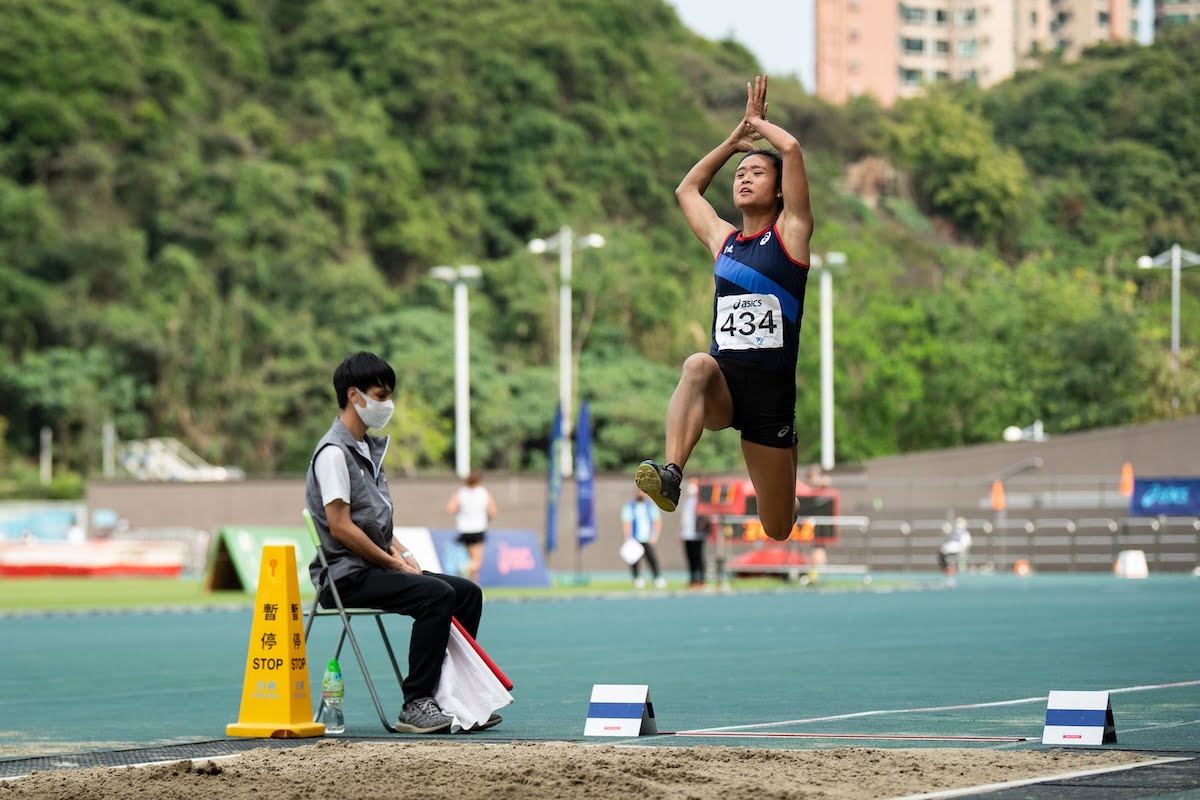
The Hong Kong Athletics Championships 2021 took place on the weekend of 1-2 May at Tseung Kwan O Sports Ground.

https://bcmagazine.smugmug.com/Bcene-photos/2021/Hong-Kong-Athletics-Championships-2021/i-KSmhC5q

Saturday, 1 May Results

Shak Kam Ching and Chan Pui Kei won the Men’s and Women’s blue-ribbon sprints. Shak Kam Ching was 100m Champion in 10.68s with the silver and bronze medals going to Lee Hong Kit (10.77s) and Ho Wai Lun (10.95s).

Chan Pui Kei won the Women’s 100m gold medal in 12.31s with the silver and bronze medals going Luo Tsz Yuen (12.42s) and Kong Chun Ki (12.53s) respectively.

In the hurdles events, Chan Chung Wang ran 14.36s in the final to become the Men’s 110m Champion with Mui Chung Yeung second in 14.52s and Lui Chun Yun third in 15.09s. 

Lui Lai Yiu (13.66s) won gold in the Women’s 100m Hurdles, Shing Cho Yan (14.43s) and Liu Hoi Yan (14.50s) won silver and bronze respectively.

To Yuen Kwan threw 13.03m to win the gold medal in the Women’s Shot Put, while Yue Ya Xin won gold in the Women’s Long Jump with a leap of 6.17m.

https://bcmagazine.smugmug.com/Bcene-photos/2021/Hong-Kong-Athletics-Championships-2021/i-GRRxGvd

https://bcmagazine.smugmug.com/Bcene-photos/2021/Hong-Kong-Athletics-Championships-2021/i-BCMgcGr


Sunday, 2 May Results

In the Men’s 3000m Steeplechase, Leung Tak Yeung (9:30.87) smashed his own Hong Kong U20 record to win gold with Yu Hin Wa (9:38.83) in silver.

Cheung Pui Yin was in good form in the Men’s Pole Vault winning gold and set a new Hong Kong record at 4.80m an improvement of 35cm on the previous record when he set in 2019.

In the Women’s High Jump four athletes cleared 1.75m with Cheung Ching Laam Priscilla winning gold on countback, Chung Wai Yan and Yeung Man Wai were second and third (sadly the name of the fourth athlete was not included) 

In the Men’s Long Jump, Chan Ming Tai (7.70m) clinched gold on his final jump ahead of  Leung Shing Hei (7.23m) and Chan Chun Hei (7.17m).

https://bcmagazine.smugmug.com/Bcene-photos/2021/Hong-Kong-Athletics-Championships-2021/i-jt9k52L

https://bcmagazine.smugmug.com/Bcene-photos/2021/Hong-Kong-Athletics-Championships-2021/i-Jhwbt67

Additional reporting and images: Hong Kong Association of Athletics Affiliates (HKAAA)

Compulsory Test – 1 May, 2021

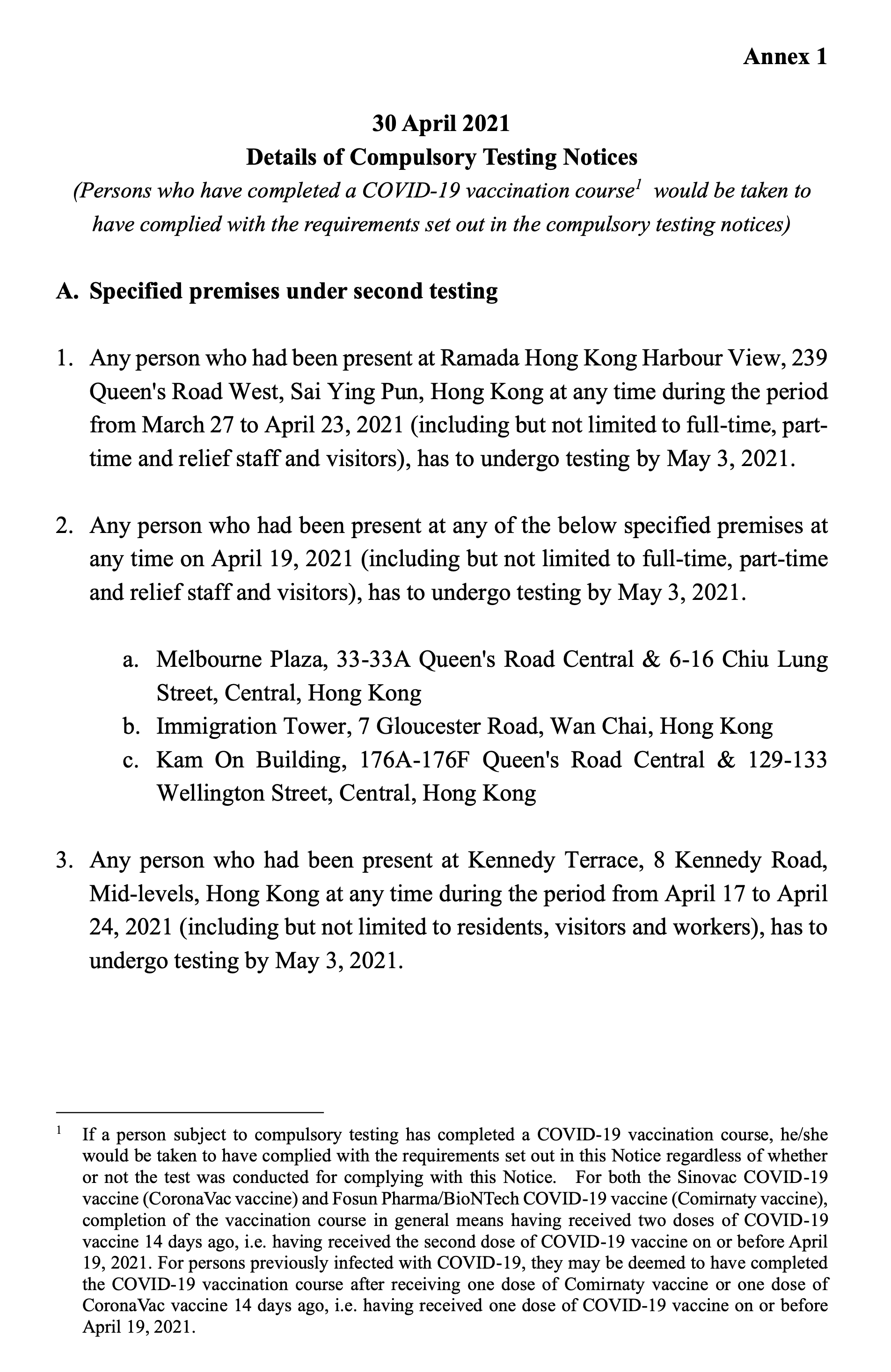
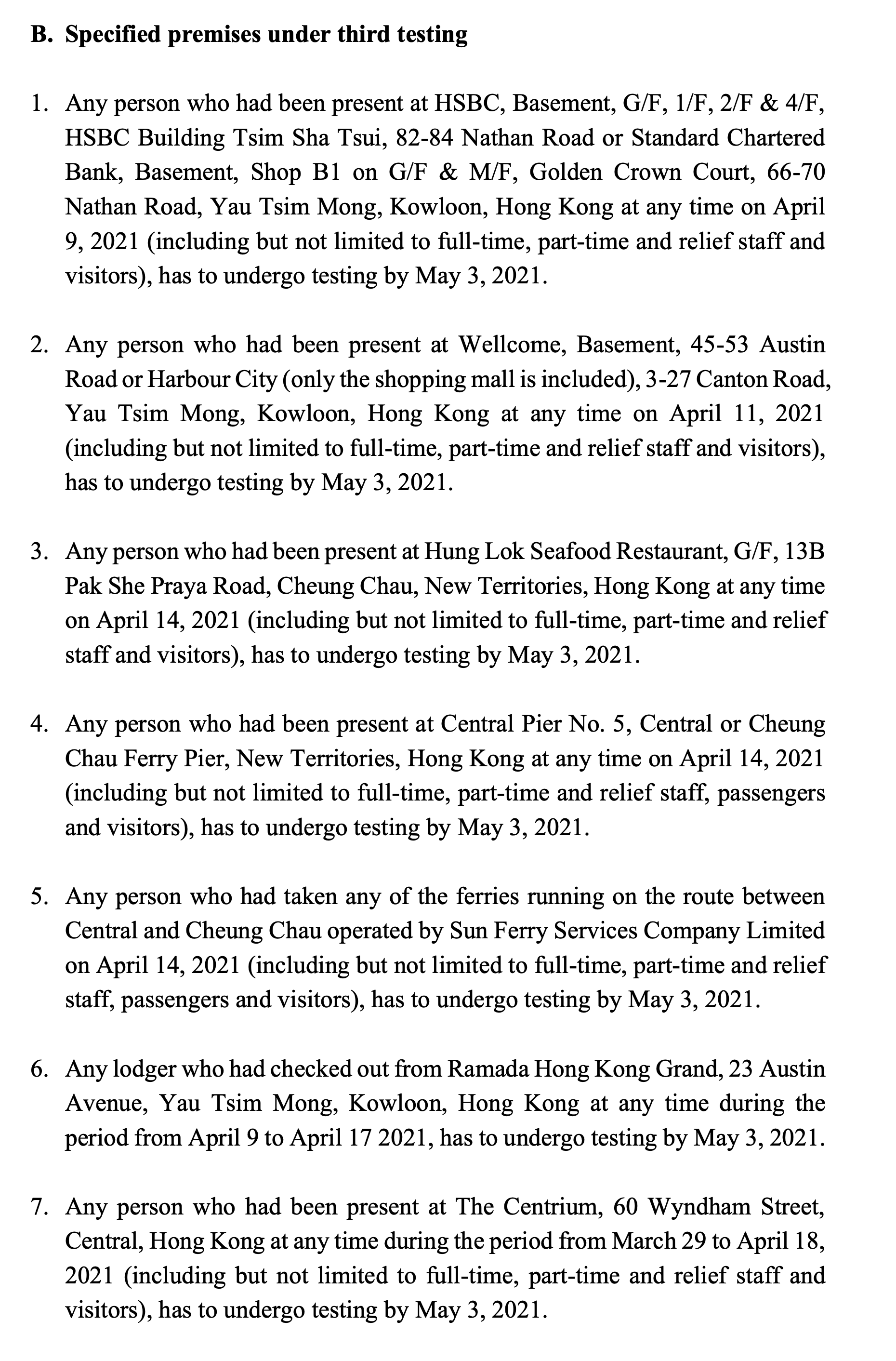
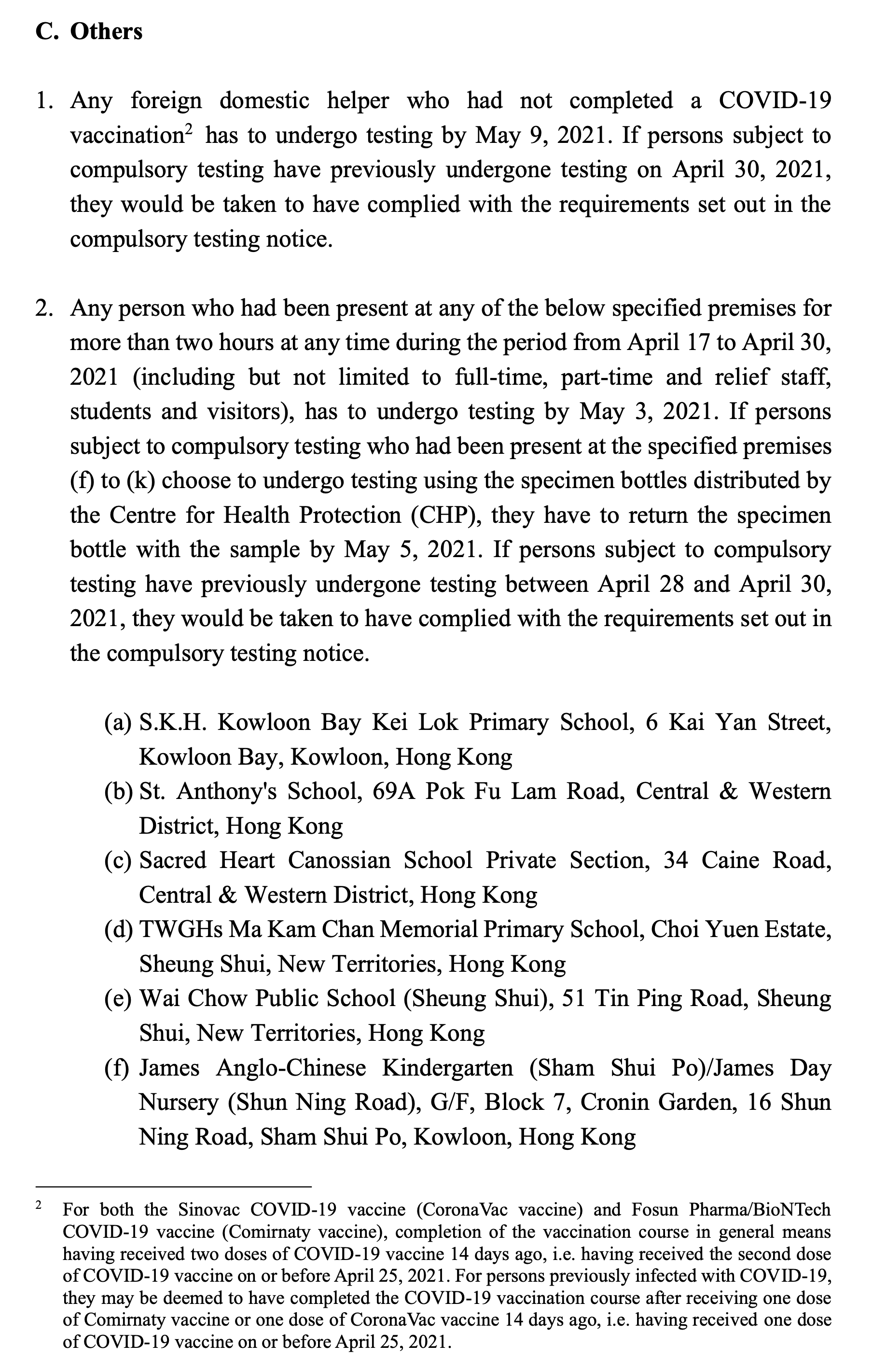
The Government announced, on 1 May, that under the Prevention and Control of Disease (Compulsory Testing for Certain Persons) Regulation (Cap. 599J) it has gazetted the following compulsory testing notice and specifications, which require any person who has been present at 26 specified premises during the specified period and foreign domestic helpers (persons subject to compulsory testing) to undergo a COVID-19 nucleic acid test before 14 May, 2021.

A spokesman for the Food and Health Bureau said, “As N501Y mutant strain is with high transmissibility, for prudence’s sake, the relevant persons who had been to the places patronised by the local cases with unknown sources of infection involving N501Y mutant strain are required to undergo three tests and all foreign domestic helpers are required to undergo testing to completely cut any possible transmission chain.”

In addition, since there were outbreaks of upper respiratory tract infection (URTI) in 11 schools, and the symptoms of URTI are similar to those of COVID-19, for prudence’s sake, these 11 schools are also covered in the compulsory testing notice.

The list is massive, download from the HK Government website here

100% Personal Loan Guarantee Scheme

The 100% Personal Loan Guarantee Scheme (PLGS) introduced in the 2021-22 Budget, will start receiving applications from 28 April, 2021 for six months.

The PLGS offers a source of financing to unemployed individuals who are suffering hardship due to the COVID-19 pandemic by providing low-interest loans.

The initial participating banks are Bank of China (Hong Kong) Limited, The Bank of East Asia, Limited, China CITIC Bank International Limited, China Construction Bank (Asia) Corporation Limited, Dah Sing Bank, Limited, Hang Seng Bank, Limited, The Hongkong and Shanghai Banking Corporation Limited, Industrial and Commercial Bank of China (Asia) Limited, Shanghai Commercial Bank Limited, and Standard Chartered Bank (Hong Kong) Limited. Chiyu Banking Corporation Limited and ZA Bank Limited will start receiving applications in May.

Eligibility

Applicants have to be Hong Kong permanent residents aged 18 or above, who have been unemployed for at least two months at the time of loan application, and who can demonstrate cessation of main recurrent incomes from employment in Hong Kong.

Loan applicants need to provide proof of their previous employment and main recurrent incomes for at least three months during the period from January 2020 to February 2021 (“specified period”).

The maximum amount of the loan per applicant is six times the average monthly income within the specified period (Note 1), or HK$80,000, whichever is the lower.

The maximum repayment period is six years, with an option of principal moratorium for the first 12 months to alleviate the immediate repayment burden.

The effective interest rate is fixed at 1 per cent per annum. A borrower will receive a full refund of the interest paid after the loan is fully repaid at or by the end of the repayment period.

More information: PLGS Hotline at 2536 0392 or www.hkmc.com.hk/eng/our_business/plgs.html

HK-Singapore Air Travel Bubble to Begin on 26 May

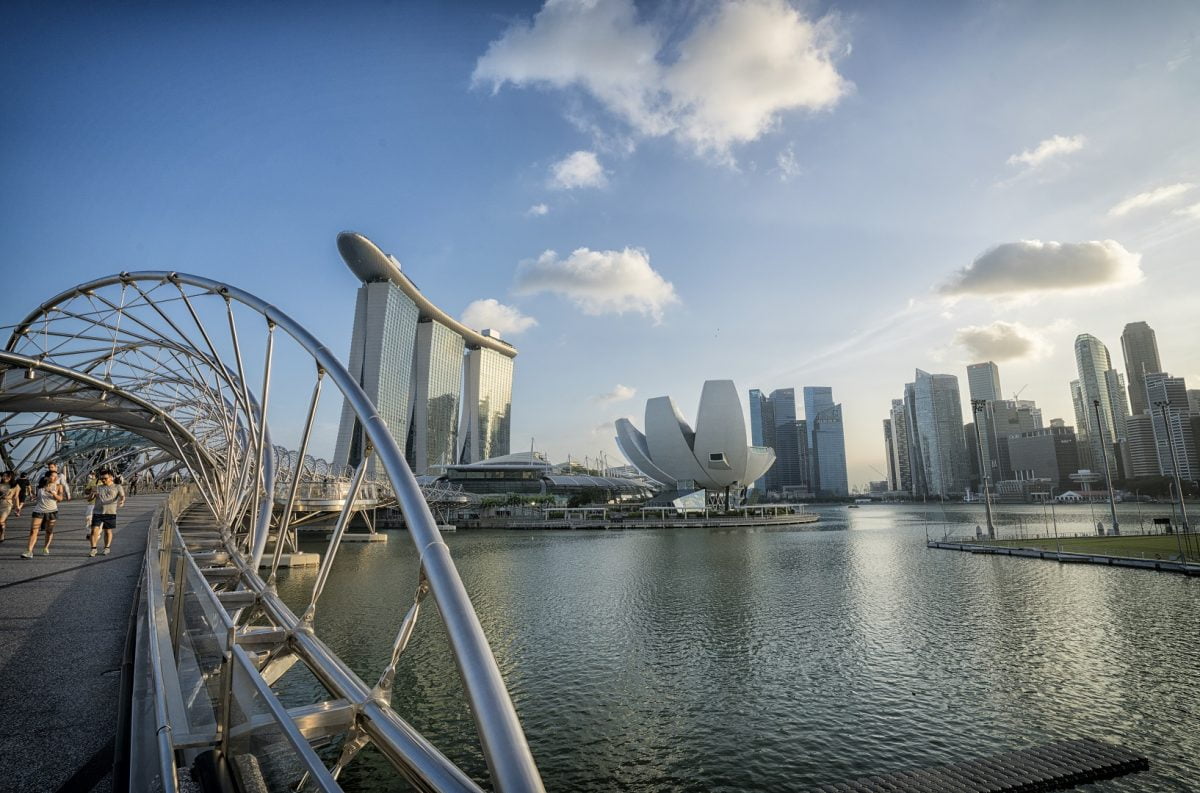
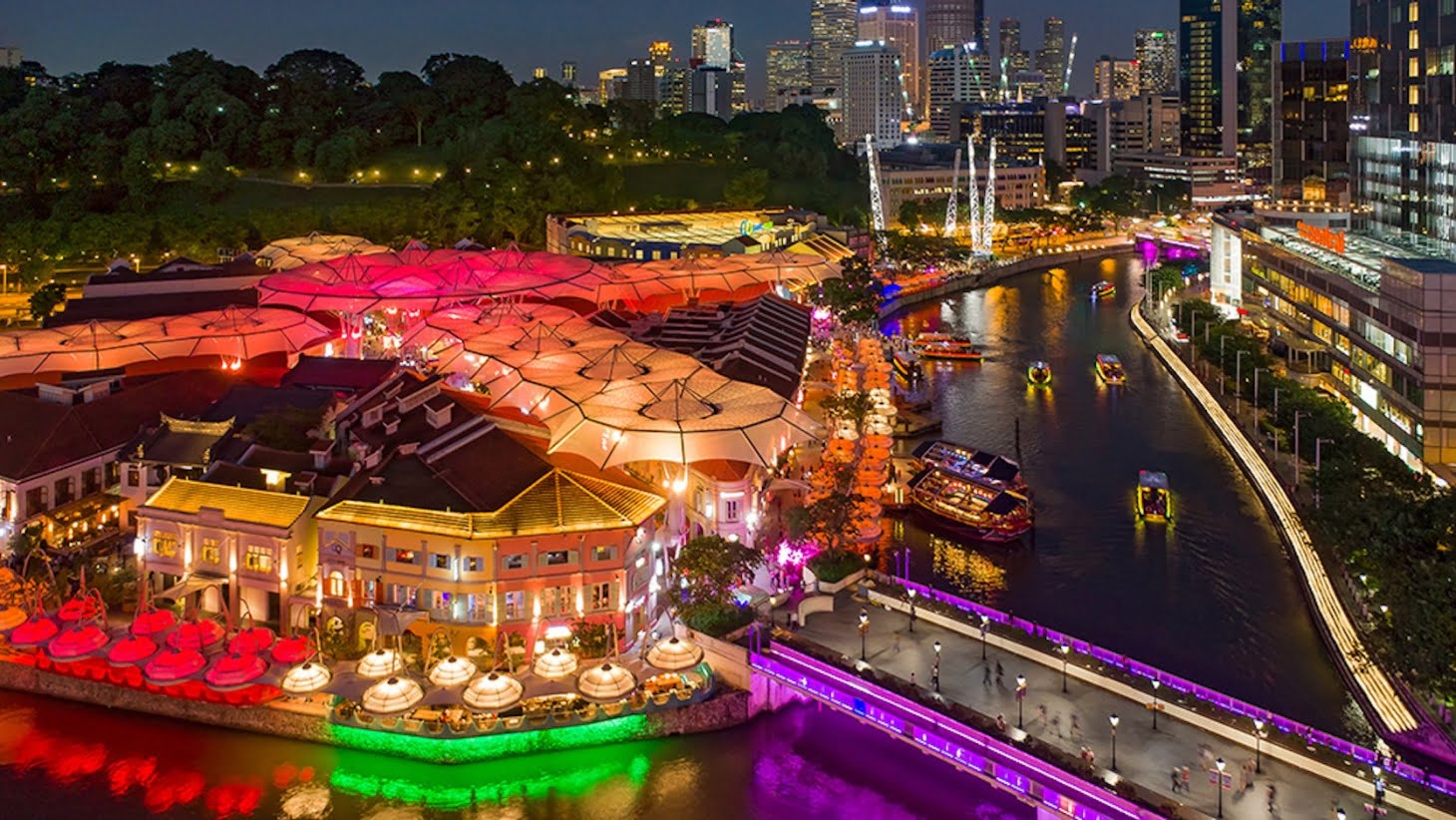
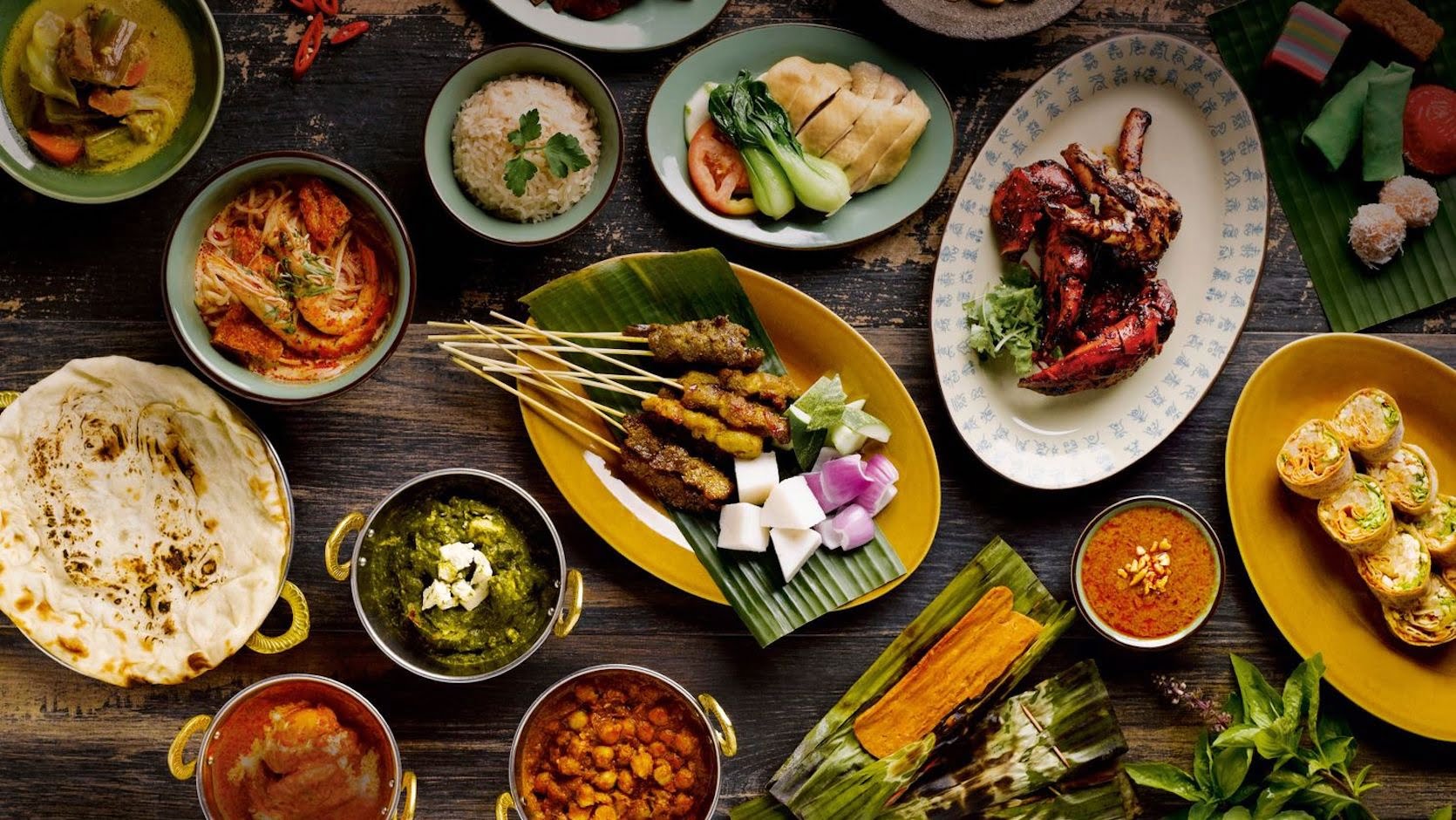
After many false starts the first local ‘Air Travel Bubble’ opens on the 26 May when HongKongers will be able to travel quarantine-free to Singapore.

There are lots of rules and qualifications, see below, but amongst the many rules is nothing about what happens to HongKongers in Singapore if the travel bubble is suspended. And once the bubble is suspended, the restart conditions are quite onerous. So if you travel, be prepared… For the latest information www.tourism.gov.hk/travelbubble

Hopefully, if the bubble proves successful, it will lead to similar arrangements with New Zealand and Australia in the coming months. No practical suggestions seem to have been made as to when or how HongKongers will be able to visit Macau any time soon.

Objective Air Travel Bubble

No restrictions on travel purposes.

Exemption from compulsory quarantine requirement / Stay-Home Notice.

No restrictions on itineraries.

Eligibility

Any person currently in Hong Kong and Singapore, irrespective of his/her nationality.

Any person with no travel history to any place other than Singapore or Hong Kong in the last 14 days prior to departure.
Note: any compulsory quarantine / Stay-Home Notice periods in Hong Kong or Singapore arising from the traveller’s last visit outside Hong Kong or Singapore would not count towards that 14-day period.

Negative result of COVID-19 polymerase chain reaction (PCR) nucleic acid test by recognised testing institutions with a specimen collected within 72 hours prior to departure.

Hong Kong passport holders can only take an ATB flight at least 14 days after they have had two doses of COVID-19 vaccine.

Travel on ‘Designated Flights’.

Designated Flight Arrangements

From 26 May to 9 June, 2021:
Hong Kong to Singapore: 1 flight per day, with 200 travellers per flight Singapore to Hong Kong: 1 flight per day, with 200 travellers per flight 

From 10 June, 2021 onwards:
Hong Kong to Singapore: 2 flights per day, with 200 travellers per flight. Singapore to Hong Kong: 2 flights per day, with 200 travellers per flight.

Health Protection Measure

Testing Requirements:
Travellers are required to take mutually recognised COVID-19 PCR nucleic acid tests with a specimen collected within 72 hours prior to departure from Hong Kong and Singapore.

Travellers arriving in Hong Kong and Singapore are required to take a PCR nucleic acid test again at the airport.

Designated Flights:
Only carry ATB travellers, but not transit nor non-ATB travellers.

Designated lane upon arrival in Hong Kong:

There is a designated lane at Hong Kong International Airport for ATB travellers to take post-arrival COVID-19 tests and proceed through immigration.

Mechanism to Adjust or Suspend ATB:
A change in the epidemic situation in Hong Kong and Singapore may trigger the adjustment or suspension of ATB flights:
If the seven-day moving average of the daily number of unlinked local COVID-19 cases is more than five for either Singapore or Hong Kong, the ATB arrangements will be suspended after two days for a two-week period.

The ATB arrangements can resume on the next day after fulfilling the following two criteria:
(i) the seven-day moving average of the daily number of unlinked local COVID- 19 cases for both Hong Kong and Singapore does not exceed five on the last day of the 14-day suspension period or any subsequent day; and

(ii) after criterion (i) is met, subsequently there have to be three consecutive days with the daily number of unlinked local COVID-19 cases for both Hong Kong and Singapore not exceeding three, and the seven-day moving average of the daily number of unlinked local COVID-19 cases on the third day in both places does not exceed five.

Other Requirements for ATB Travel: HK to Singapore
(for all travellers)

Within 3 days prior to arrival in Singapore, fill in and submit SG Arrival Card.

Book a post-arrival PCR nucleic acid test before departure. Upon arrival, take the PCR nucleic acid test at the airport, then go to the declared place of accommodation5 by private transportation, taxis or private hire cars, and stay thereat for isolation until receipt of a negative test result before leaving the accommodation and commencing itineraries

(for travellers who are non-Singapore citizens, and at the same time, non-Permanent Residents or non- Long-Term Pass holders)
Apply for an Air Travel Pass 7 to 30 days prior to departure

Download the TraceTogether mobile app, register and keep the app activated on their mobile devices during their stay in Singapore, and retain the app and its records for 14 days subsequent to departure from Singapore

Other Requirements for ATB Travel: Singapore to HK

Fill in and submit health declaration by using the online Health & Quarantine Information Declaration Form within 48 hours prior to arrival in Hong Kong, and get the relevant QR code.

Book a post-arrival PCR nucleic acid test before departure. Upon arrival, take the PCR nucleic acid test through the designated lane for ATB travellers at the airport, and only leave the airport and start itineraries after receiving a negative test result.

Download the LeaveHomeSafe (LHS) mobile app, and scan the LHS QR codes displayed at relevant premises during their stay in Hong Kong, as well as retain the app and its records for 31 days subsequent to departure from Hong Kong.

Useful Links:

HongKong’s designated ATB: www.tourism.gov.hk/travelbubble

Health & Quarantine Information Declaration Form for arrival in Hong Kong: www.chp.gov.hk/hdf

Local COVID-19 testing institutions recognised by the Hong Kong SAR Government: www.coronavirus.gov.hk/pdf/List_of_recognised_laboratories_RTPCR.pdf

LeaveHomeSafemobileapp: www.leavehomesafe.gov.hk

Singapore’s designated ATB website Safe Travel Lanes: https://safetravel.ica.gov.sg 

Singapore Trace Together mobile app: www.tracetogether.gov.sg 

Singapore Arrival Card: https://eservices.ica.gov.sg/sgarrivalcard

images: singapore tourism

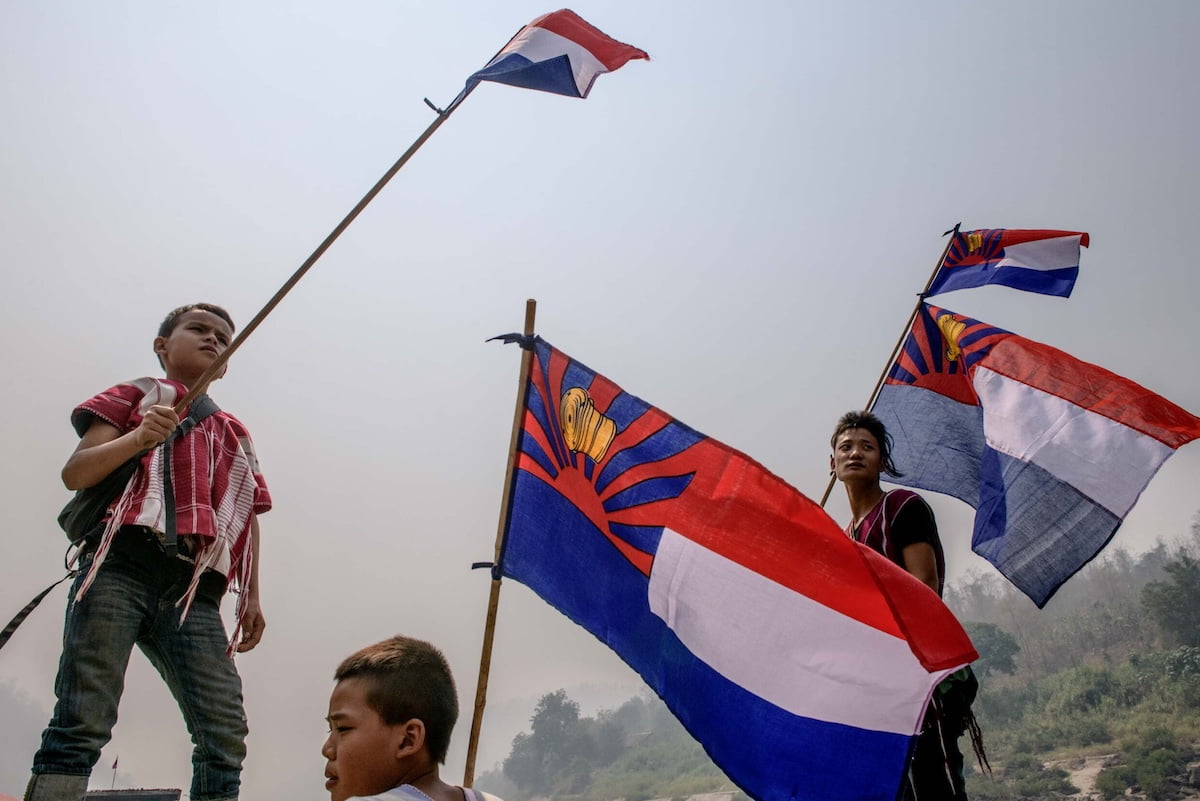
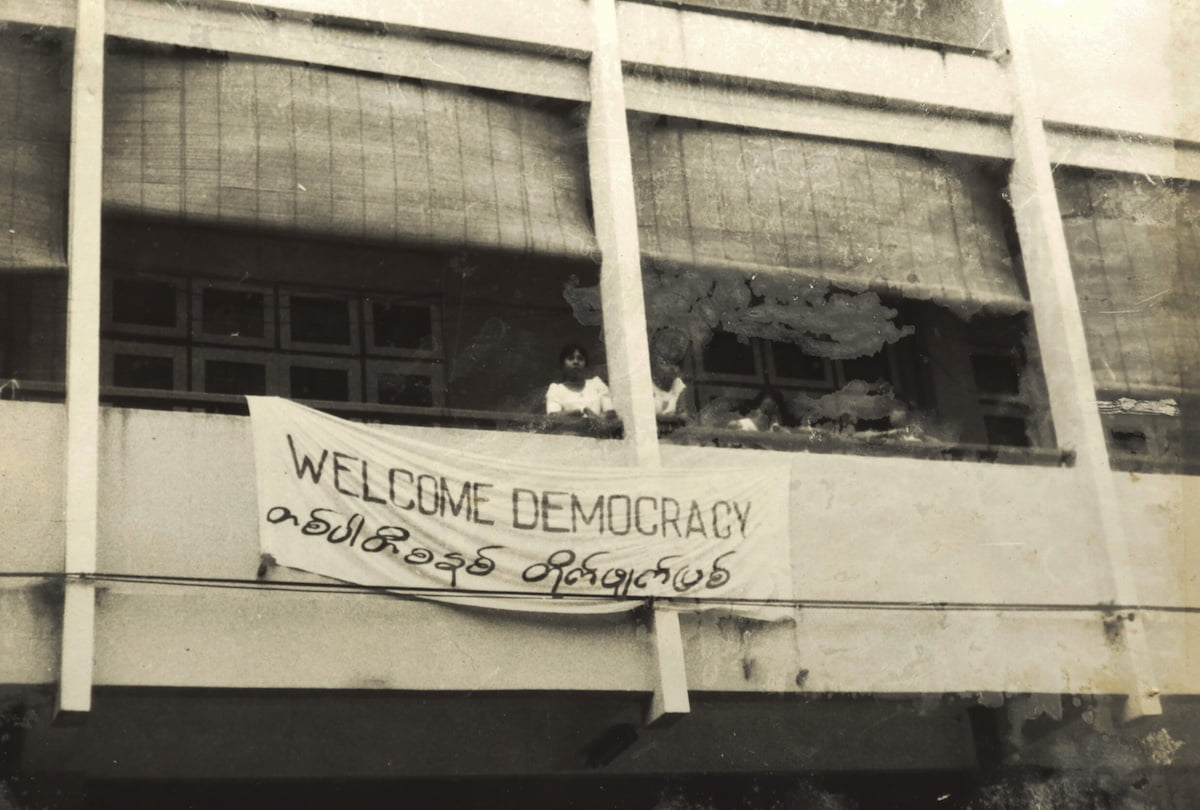
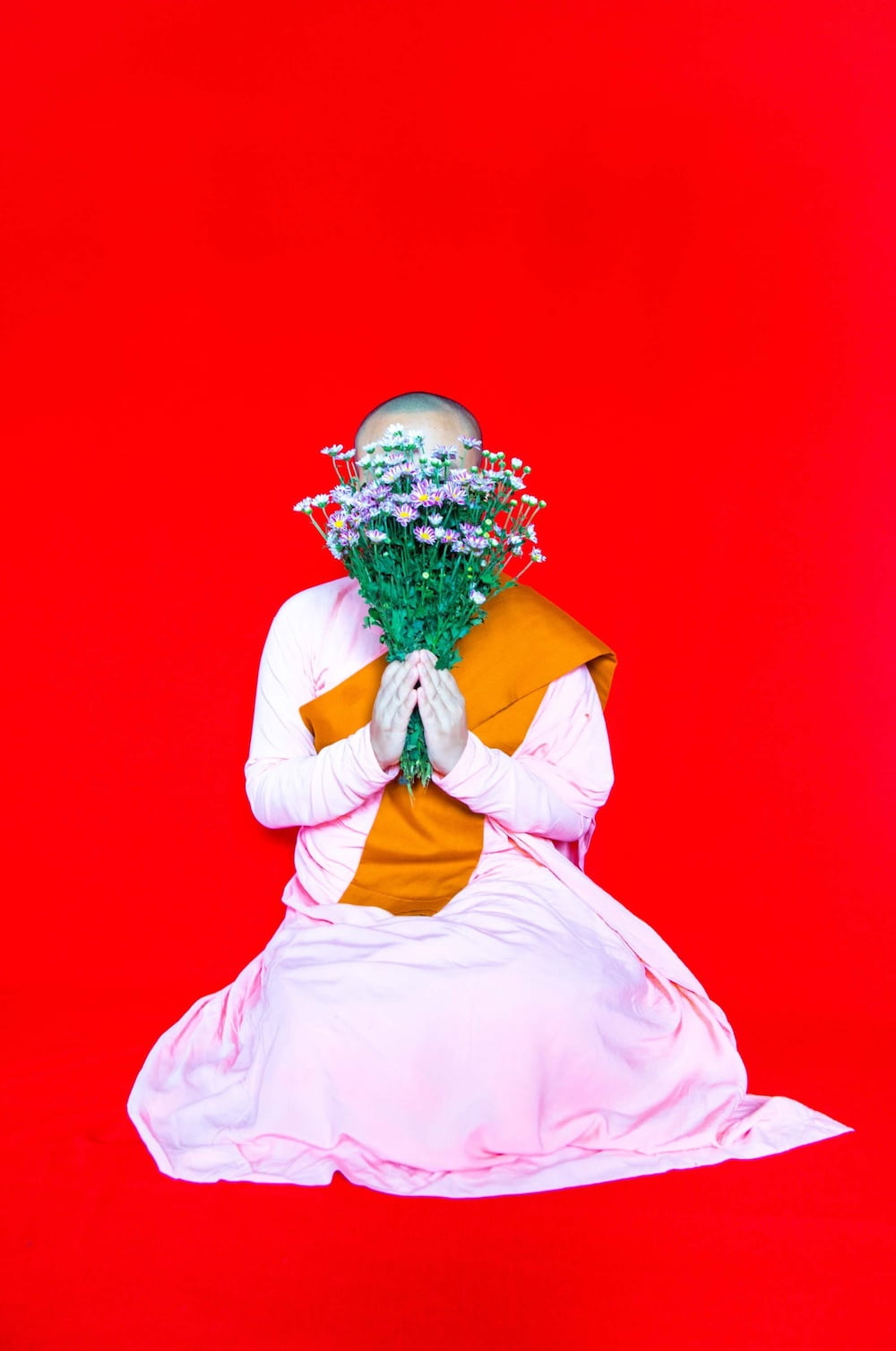
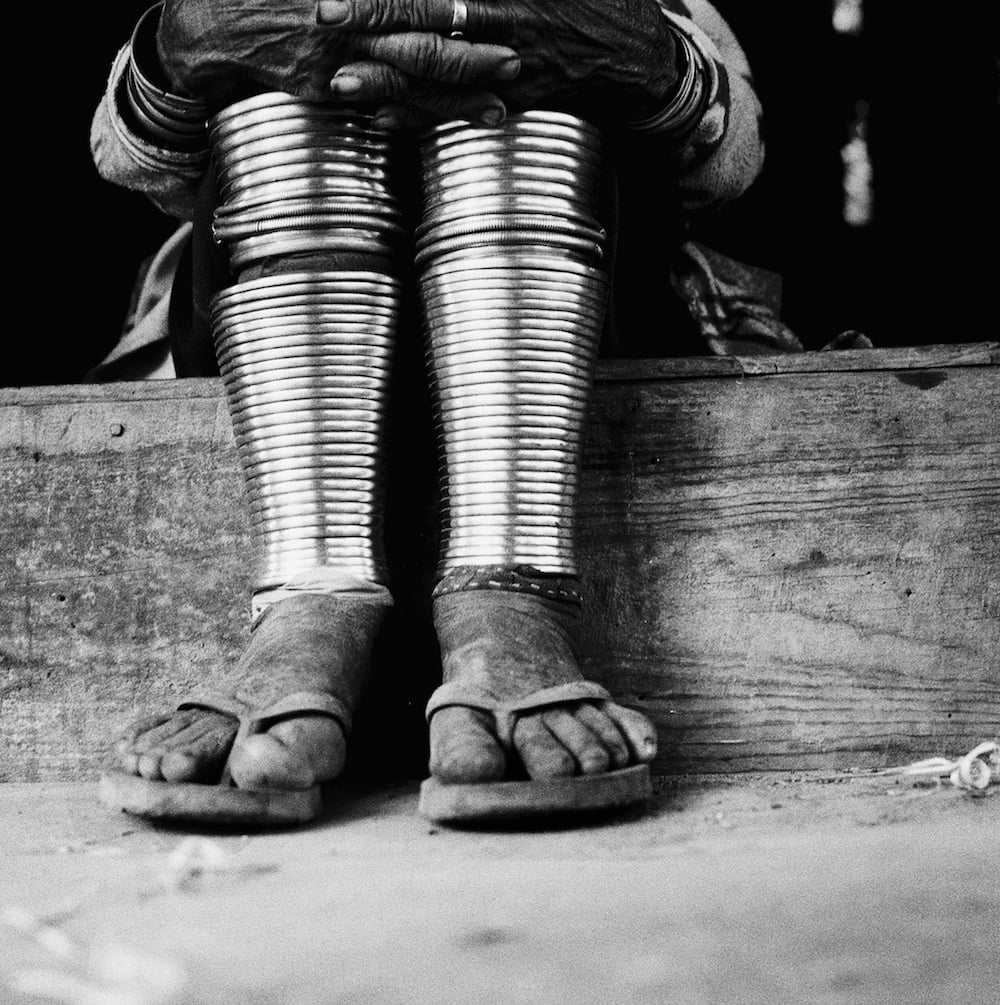
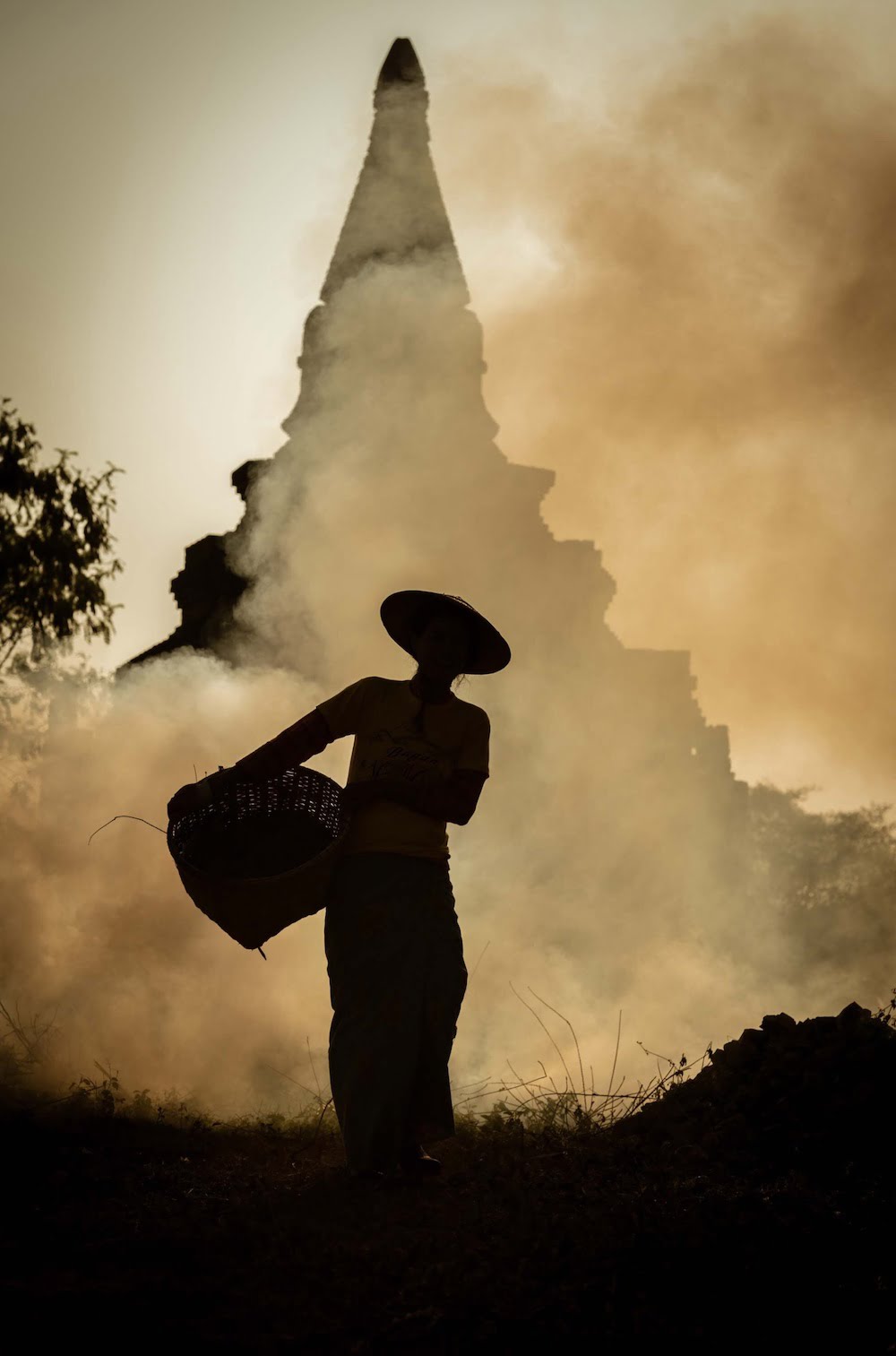
Photography for Myanmar

80 photographers have donated work to support journalists and photographers in Myanmar.

Print for Crisis is offering the donated images, created in Myanmar by local and international artists, as 20x30cm prints with an image size 20 x 30cm at GBP90 each – in a limited edition of ten, numbered and unsigned.

All net proceeds will go to journalists, photographers, and artists in Myanmar and are available for sale until 12 May, 2021.

Among the photographers who have contributed are Jo Farrell, Nathan Horton, Lukas Birk, Jittrapon Kaicome – see all the photographs on the website, Instagram and Facebook.

Personally, we hate the term ‘net proceeds’ as you’re never exactly know how much will be donated to the cause you are supporting.

Images copyright of their owners

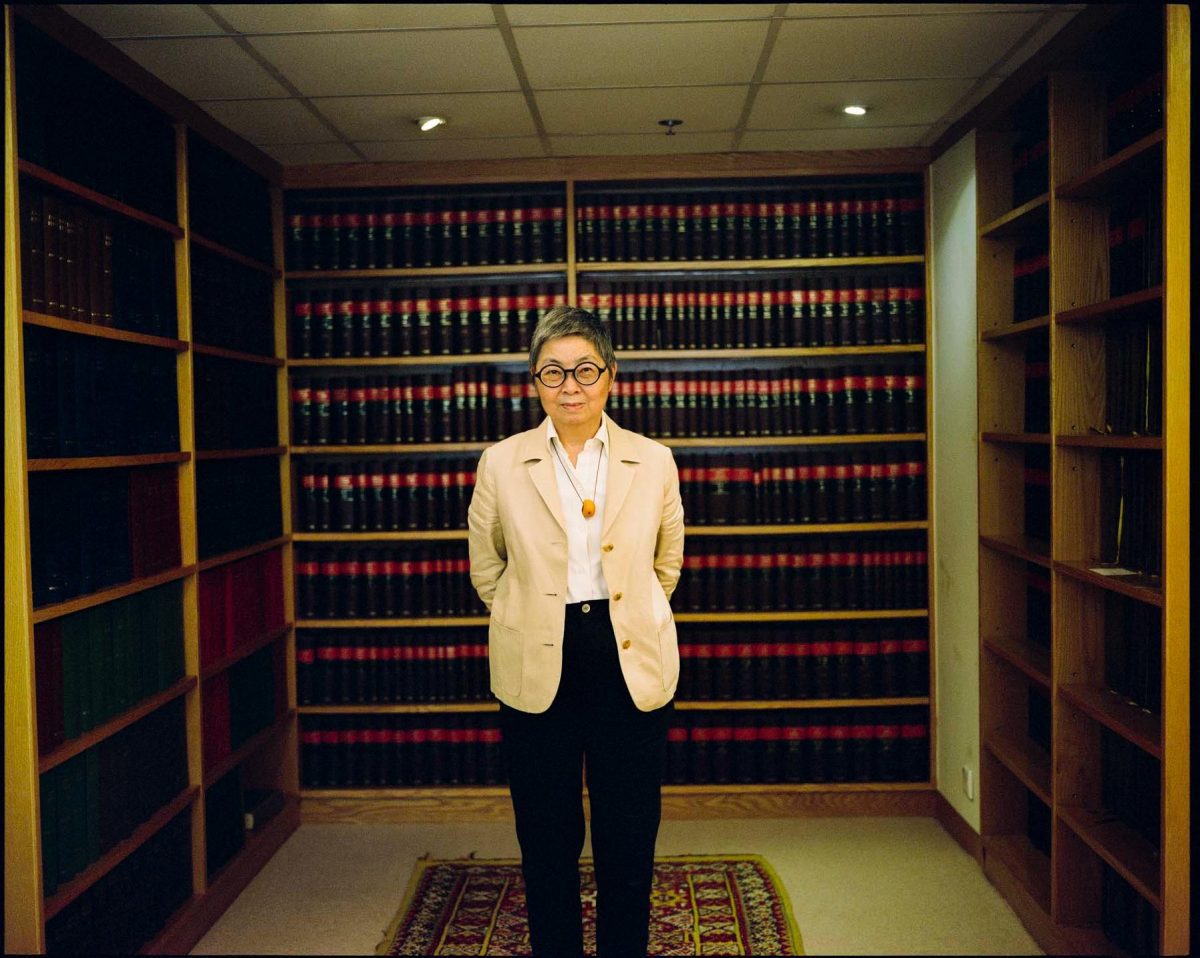
Margaret Ng’s Statement to the court – 818 Unauthorised Assembly Trial

“Your honour, I am grateful to your honour for allowing me to make this statement about my background and the personal conviction I have held in what I did.

I was called to the bar in 1988, but my early training was not in law. I had indulgent parents who allowed me to spend 10 years in the university in Hong Kong and then in Boston to study philosophy. There I learned about rigorous intellectual honesty in the pursuit of truth and alleviation of the suffering of mankind.

It was a sharp change for me to switch to law in 1981 when I went to Cambridge to read for a law degree. Those were the crucial years of Sino-British negotiations over the future of Hong Kong. My generation were embroiled in finding a way to preserve Hong Kong’s freedoms and original way of life after the change of sovereignty. This was so important to all of us that, after I was called to the bar, I did not immediately start to practise, but took up an editorial post in the Ming Pao Daily News, because I accepted that it was critical to Hong Kong’s future to have a strong free press, and at that stage I had some standing as a political commentator.

I resumed my legal career in 1990, but in 1995 I was persuaded to stand for election in the legal functional constituency. Your honour, the legal profession, steeped in the common law tradition of civil liberty, did not believe in unequal elections, but they considered that so long as there was such a seat, they would not allow anyone to compromise the rule of law in their name. So I was elected their representative to hold that office in trust for the people of Hong Kong, to use it to uphold the system under which their rights and freedoms are protected by law. I was charged with a dual mission: to do my utmost to prevent legislation that would harm the rule of law, and to safeguard the institutions that underpin the rule of law. At the top of the list was judicial independence, and the administration of justice.

Those were the tasks to which I had voluntarily pledged to carry out.

It meant, first of all, working conscientiously in LegCo’s committees.

I served in LegCo for 18 years (including the year from July 1997 to August 1998 when I was without a seat), and for 17 of those years I sat as Chairman of the Panel of Administration of Justice and Legal Services which had oversight of policies concerning the Judiciary, judicial provisions and establishment, including the allocation of land and costs for court buildings, legal policies, legal aid, the organisation of the legal profession, legal services, and legal education. Numerous issues were brought up, discussed and resolved.

Some of the work required search for novel dispute resolution. At the height of the heated dispute within the profession over higher rights of audience for solicitors, I put the matter before the Chief Justice and respectfully asked him to intervene so that the matter may be resolved, and seen by all to be resolved, on the public interest and not by unseemly turf fight. It was vital for the rule of law that the public continued to have confidence in the legal profession.

The expansion of legal aid’s supplementary scheme, assistance for unrepresented litigants, more user-friendly and helpful free community legal advice were among other examples for which extra effort had to be made to find solutions. Often there were setbacks. In 2002, when Audrey Eu SC was also in LegCo, we worked in partnership with NGOs on a proposal for a community legal services centre, to give people timely and useful legal advice. Although it was rejected by the government at the time, in due course the idea bore fruit elsewhere.

I had found that, frequently, tact, diligence and patience were what was needed. But at other times, when a fundamental value was violated, strong statements and response were required. In June 1999, in the wake of the Court of Final Appeal’s landmark decision on the right of abode in Ng Ka Ling, the NPCSC issued its first interpretation of the Basic Law to overturn the court’s decision. This shook the world’s faith in the power of final adjudication of the court. In protest, on 30 June, I and over 600 members of the legal profession went on a silent march, and stood in quiet respect and in solidarity in front of the CFA building then on Battery Path, to mark our unswerving support for the court in that critical hour, so that the community may not be demoralized.

Your honour, the task in the defence of the rule of law also meant commitment to the process of law-making. I devoted a great deal of my time to vetting bills. It is recorded that I had worked in 155 bills committees. It is vital to the rule of law that the laws passed by the legislature are sound, rights-based, and measure up to the highest standards. For, judges are bound to apply the law as it is, not as what they would wish it to be. Lawyers are in a better position than most to know how a piece of legislation would work – or would not work – when it comes to be tested in the courts. In this I worked closely with the profession to whom I will always be grateful. We did our best to see to it that rights were not inadvertently or unnecessarily compromised. The law should give protection to rights, not take them away, especially in Hong Kong, where structural democracy is still absent. The people relied on the law to protect them, and the courts are the ultimate arbiter of the law. We are mindful that when the court applies a law which takes away fundamental rights, the confidence in the courts and judicial independence is shaken, even though the fault lies in the law, not with the judge who applies it, and that would strike at the foundation of our rule of law.

Your honour, the importance of that duty was driven home to me by the words of a distinguished judge – Associate Justice Anthony Kennedy of the United States Supreme Court as he then was – when he came to Hong Kong at the invitation of the then Chief Justice Andrew Li to give a speech to the Judiciary and the legal profession on 8 February, 1999. He was deeply moved by the challenges lying ahead of us, and the important role of an independent Judiciary. He submitted: “One requisite for judicial independence is that judges have the jurisdiction, the right, and the official capacity to decide all matters, susceptible to judicial resolution, that are necessary to ensure liberty and human freedom If a judiciary does not have jurisdiction to this extent, then the members of the bar and the members of the larger society must continue to press to expand the jurisdiction. This is vital, because if the bar and the society seem indifferent to a too-narrow judicial charter, there is a risk that the judiciary will in fact or perception aid and abet a larger scheme to deprive persons of their liberty.”

Those were strong words, your honour, but I recognized their authority, and I had ever taken them as marking the ultimate loyalty a barrister owes to judicial independence. Your honour knows that there is no disrespect, to say that the defence of judicial independence is not for the benefit of judges themselves, but so that they can be in a position fearlessly to uphold the rule of law.

The defence of the rule of law is a two-way street. I believed that the representative of the legal profession in LegCo has a duty also to listen, to consult and explain the law to the community: to alert people to their rights and obligations, to clarify what is obscure, to reduce bewilderment, to invite them to voice their concerns and point out errors, to address those concerns with sincerity, and represent them forcefully to the government; and where their needs cannot be addressed through the law, to work with them towards other solutions.

One of the ways for me to keep in touch with the public was by writing articles to the local press, in plain language accessible to the general reader. For everyone ought to understand the law under which he lives. Throughout those years, and even up to now, I have never abandoned that exercise. Less frequently, I publish academic articles and contributions to academic forums, particularly on matters in need of law reform.

Your honour, working with the government in LegCo had impressed upon me, that the rule of law is not just about the law, but equally about governance. For laws are made for the “peace, order and good governance of Hong Kong”. Laws that protect rights tend to win the people’s trust in their government, and trust facilitates good governance. So elected representatives have the duty to speak up to the government of the day: to advise and counsel, to admonish and to warn, constantly: do our laws take rights seriously? The law is not perfect and lawyers know more than anyone else how imperfect the law is. So why should people respect and obey the law? There are, of course, many answers, but the answer I gave myself is this: we can ask people to obey the law if it is the best approximation to justice. Which implies that we are duty bound to listen to criticisms of the law, and make sincere efforts to make the law better, and correct mistakes as much as possible. Justice is the soul of the law without which the rule of law descends to the level of rule by force, even if it is force by majority.

In the course of this trial, your honour’s attention was drawn to a debate on the POO in LegCo on 21 December 2000. In that debate, I pointed out the defects existing in its provisions. They were defects which had long troubled the legal profession, I warned the government that we must seriously consider reform if we were to avoid the law being disobeyed in desperation. Someone in a panel discussion had raised the issue of civil disobedience and the Secretary for Security had called it a threat. But it need not be taken as a threat, but should act as warning or reminder, I urged the government not to shut out rational discussion for reform, because by its recalcitrance, the government was in danger of creating the very conditions which made civil disobedience inevitable and justifiable: something which none of us wished to see.

Those years in LegCo had repercussions for me for life because, your honour, defending the rule of law means we ourselves must take rights seriously, and that is a lifelong endeavour.

There is no right so precious to the people of Hong Kong as the freedom of expression and the freedom of peaceful assembly. Not only is the freedom to speak the truth the core of human dignity, it is also the last safety valve in a democratic society, as remarked by our illustrious judges repeatedly. Respecting those rights is also part and parcel of defending the rule of law.

I had learned that the rule of law not only has to be defended in court, or in LegCo, but also in the streets and in the community. Your honour, I had spoken countless times in LegCo. But I also realize that it is not good enough for me to make speeches in beautiful words and measured dignity in the precincts of the Legislative Council, shielded by the privilege of absolute freedom of speech and debate, and immunity from legal action. When the people, in the last resort, had to give collective expression to their anguish and urge the government to respond, protected only by their expectation that the government will respect their rights, I must be prepared to stand with them, stand by them and stand up for them. Otherwise, all my pledges and promises would be just empty words.

Your honour, the Hong Kong people is a peace-loving and well-disciplined people. Their resolute self-restraint even in highly emotional situations has been proved time and again. In the critical hours of the handover between 30 June and 1 July 1997, the great event passed without a hitch. In the march of half a million on 1 July 2003, not a single pane of glass was broken, Even in 2019, when over 1 million marched on 9 June, and over 2 million marched on 16 June. The peace and good order of the massive crowds astonished and won the admiration of the world.

And in the incident of the present trial, this was demonstrated again. By the estimation of the organizers, over 1.7 million participated in the day’s event. But whatever the exact figure, the huge and dense crowds in and around the venue, the resolute patience with which the crowds waited in the pouring rain, were captured in undisputed footages preserved for all posterity. The number and the perseverance spoke volumes for the intensity of the feelings in the community, and yet the self-restraint was for all to see. It is not disputed even by the prosecution that the event was entirely peaceful and orderly, without any untoward event. The crowd had kept faith with the organizers who enjoined them to be “peaceful, rational and non-violent”. At such times we cannot be seen to abandon the people but must stand side by side with them, in the hope that peace may prevail.

The positive effect of the peacefulness of that demonstration was acknowledged by the CE, Mrs Carrie Lam 2 days later, remarking that it would facilitate dialogue between government and the public. In the event, the dialogue on that occasion did not continue for long, but it was a step in the right direction. I believe we should nurture hope, and continue, as Justice Kennedy urged upon the legal profession gathered together in that distinguished company: You must speak reason to your litigants. You must speak justice to society. You must speak truth to power.

Your honour, I came late to the law, I have grown old in the service of the rule of law, I understand Sir Thomas More is the patron saint of the legal profession, He was tried for treason because he would not bend the law to the King’s will. His famous last words were well authenticated. I beg to slightly adapt and adopt them: I stand the law’s good servant but the people’s first. For the law must serve the people, not the people the law.

Your honour, please permit me to thank my counsel. Their tireless dedication and excellence have made me proud to be a member of the bar.

This is my statement. Thank you, your honour.

Dated the 16th Day of April, 2021”

image and text: Margaret Ng