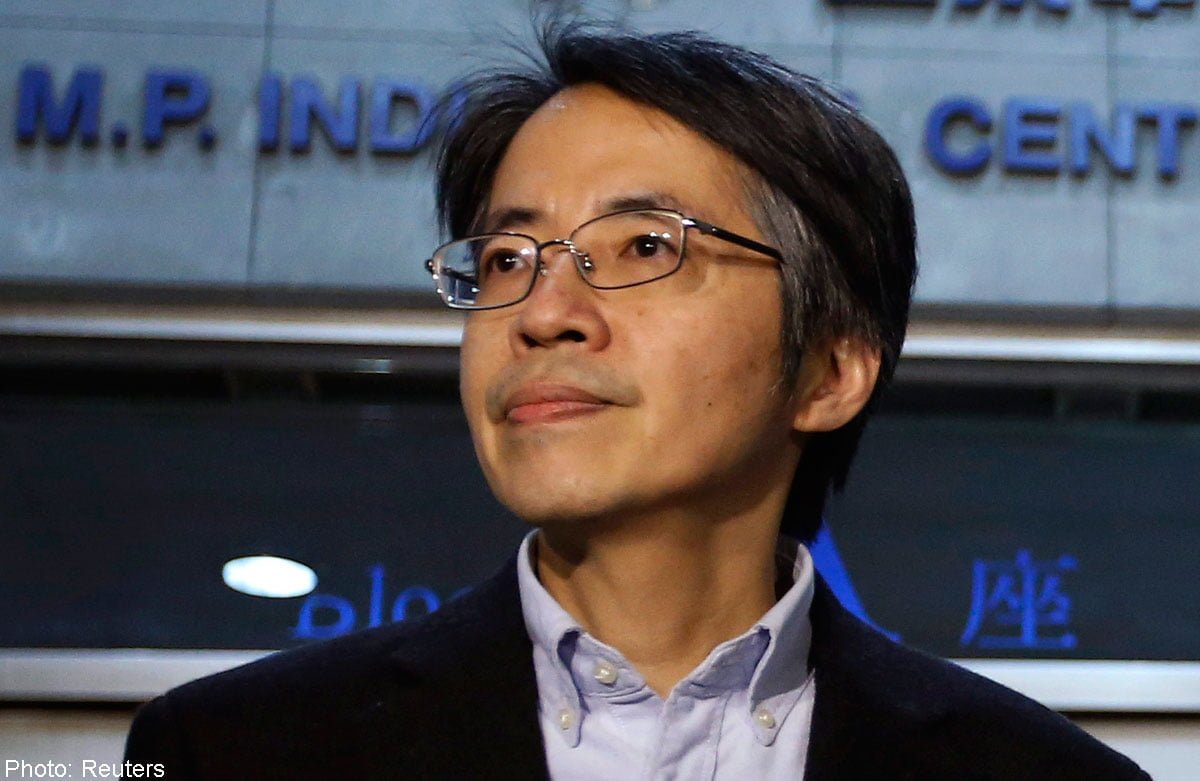
Attacked Ming Pao Journalist Kevin Lau speaking at the Human Rights Press Awards

Attacked Ming Pao Journalist Kevin Lau speaking at the Human Rights Press Awards

Journalist Kevin Lau spoke at the Human Rights Press Awards annual luncheon on 9 May, 2015 about being attacked in February 2014. The attack, by chopper wielding assailants who hacked at his legs, took place not long after Lau was sacked as the Editor of Ming Pao, and left him bleeding on the pavement.

Here is his address on why “Now is the worst time – and best time – to be a journalist in Hong Kong.”

Dear Guests and Friends,

In the past two years, people have frequently asked whether press freedom in Hong Kong was under threat. Now I think the answer is crystal clear. It is. In this sense, now is the worst time to be a journalist in Hong Kong.

For those of you who still have any doubts about this, who still believe that the Hong Kong press still enjoys the same freedoms it used to have, let me ask you a few questions.

1. How often do you see the proprietor of a highly popular newspaper coming out to admit publicly that Mainland corporations including major banks are withholding advertisements for political considerations?

2. How often do you see the owner of a highly popular news website coming out to admit publicly that he was closing down his news operation for fear of political reprisal?

3. How often do you see a commercial broadcaster shutting up a highly popular current affairs program host by suddenly terminating her contract?

4. How often do you see over a hundred reporters, editors and news anchors of a major television station signing a joint public statement to criticize the news handling decision of their news controller?

5. How often do you see a veteran journalist who had been the chief editor of an influential newspaper being brutally attacked with a
chopper outside a public park in broad daylight?

When these unbelievable things all happened within a time span of twelve to fifteen months, do you think it is pure co-incidence? For every single incident mentioned here, one might say that perhaps it was an isolated case, that perhaps it was not directly related to press freedom. However, when they came one after another like dominos, the effect on public perception and public confidence was debilitating.

I have stayed in this field for 25 years. I know the climate changes when I see the signs.  This is not the first time. Back in 2003 to 2004, when we had a similar situation of an unpopular Chief Executive trying to sell an unpopular policy to the public, we would see powerful people stretching their muscles to try to stamp out any critical voices in the mainstream media. Last time the unpopular policy was national security legislation. This time it is universal suffrage with a nomination screening mechanism. History is repeating itself.

If you need more evidence, to prove that press freedom in Hong Kong is really under threat, I would refer you to the numerous statements and reports published by the Hong Kong Journalists Association, the Foreign Correspondents Club and other professional organizations. The alarm bell has been rung again and again. You may also look at the findings of journalism professors at local universities on media self-censorship, which has gone up, and media credibility, which has gone down.

The latest signal of this worrying trend is the government decision not to prosecute a criminal suspect who was alleged to have assaulted two television journalists performing their duty of reporting in a public gathering. The apparent reason was that the suspect and the actors were allowed to wear hats and masks covering most of their faces in the identification parade, which rendered the victim’s task of identifying the attacker impossible.

Recently I was asked by some young journalism students whether they should join the news profession in light of all these unfavourable developments. I told them all the inconvenient truths. The sad reality is that in many respects now is probably the worst time to be a journalist in Hong Kong. But, nonetheless, I advised them to go ahead and become journalists if they are really interested in news reporting. Why? Because in other respects now is also the best time to become a journalist in Hong Kong with an eye on the future.

Hong Kong will maintain its role as an international financial centre. This is a simple fact recognized by everyone, including the authorities in Beijing. The Chinese leaders may have a different view from the local community regarding democratic development in Hong Kong. But there is no dispute on HK’s role as an international financial centre. During the Occupy Movement last year, Beijing gave the green light for the cross-market stock purchases program between Shanghai and Hong Kong. The timing of the decision surprised many people. It reflected a strong determination to keep HK’s stock market vibrant and useful for Mainland enterprises to raise capital.

As we all know, a truly international financial centre must maintain an environment where there is a free flow of information. You cannot shut Bloomberg down. You cannot ban Facebook or Twitter or Youtube. Last year when the Apple Daily’s highly popular news website was paralyzed by hackers, apparently coming from the north, they decided to upload all their digital news onto Facebook and Youtube. Unless you could shut down the entire internet, you could not stop them from publishing their stories. As a result, the attacks stopped.

Digital news is a totally new ball game. In the past, we, the editors in charge of the news rooms of mainstream media outlets, dictated what the public could read or watch. We the editors decided which item went on the front page and became headline news. Now the game has changed. In the digital world, the crowd decides which piece of news they prefer to read and to share. This crowd judging and crowd sharing has changed the balance of power between the editors and the readers. The accumulated hit rate and online viewership of any news item depends on the crowd, not the editors.

Also, the 24 hours real time functioning nature of the highly transparent digital news world renders media self-censorship extremely difficult. If a news room chief in Hong Kong decides to ban a piece of newsworthy digital material from publication, he or she may soon find the material spreading like wildfire on the Internet, and the decision to censor it will quickly become a news story in itself.

For young people who grew up in the digital age, they can acquire the invaluable communication skills necessary in the new era much more quickly than their senior news managers or executives. They know how to push the gist of the news to their readers’ smartphones apps or their social networks. They know how to make it sticky and catchy. In just a few years, they would have accumulated online news making and spreading experiences that cannot be matched by traditional journalists, even those with 20 years of experience.

Diving into the digital news world might be a risky business for some media organizations. Subscriptions are hard to find. Until recently, advertising revenue was thin. But the scene is quickly changing. Online advertising has been growing at a double digit year on year since 2013. Readership migration from traditional to digital is unstoppable. In the coming few years, digital first will no longer be a slogan. It will become a business necessity. Young journalists have nothing to lose if they dive into this trend right now.

So, in this respect, now is the best time to be a journalist of the new media in Hong Kong.

Source: www.humanrightspressawards.org
Editing: bc magazine
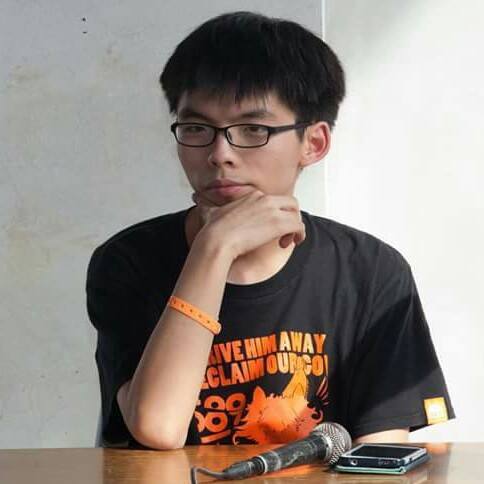
Joshua Wong: Speaking Notes for the Standing Committee on Foreign Affairs and International Development of the House of Commons of Canada

Joshua Wong: Speaking Notes for the Standing Committee on Foreign Affairs and International Development of the House of Commons of Canada

Honourable Chair and honourable members of the Standing Committee,

I am Joshua Wong, Convenor of Scholarism, a 18-year-old University Student now. Thanks for the Canadian Parliament’s invitation, giving me the opportunity to be one of the Hong Kong representatives to share here.

Today, from a student’s perspective, I hope that I can share my experience and exposure in these social movements since my age of 14, illustrating how the Central Government of China oppress the future of the next generation in the aspects of political systems and education. I hope my sharing will help to enhance the international concern about Hong Kong’s democratic progress.

On July 1st 2003, there were 500 thousand Hong Kong people walking out on the street to protest against the Article 23 of Basic Law which oppressed freedom of speech. In addition, the People also strive for the realization of the Universal Suffrage. The huge participation in that incident did not only cause the stepping down of Tung Chee Hwa who was then the Chief Executive, but also the withdraw of Article 23 on Basic Law.

Since then, we can observe that the Central Government began to have a strong feel about a need to strengthen the Hong Kong people’s identity recognition to China or the Chinese Communist Party. As a result, focusing at the identity issue of the young people and students, in 2011, the Education Department announced that all Primary and Secondary schools in Hong Kong must launch the subject of National Education in their curriculum.

In that National Education subject, there were quite many parts emphasizing the student’s need to establish the obedience as well as the pride towards the Chinese Communist Government, with the standards such as students were expected to feel touched with tears in front of the National Flag during the ceremony. That means, the National Education subject was in fact more than education subject, but a brain washing tool!

If the nature of the Education was to develop the young people’s independent thinking capability, this National Education subject definitely violated this education principle. It illustrated that the Central Government just viewed Hong Kong as a ruled obedient, without any respect towards the youth and students’ right to attain a proper citizenship, including the right to criticize the government.

Since then, I had a strong awareness that not only political parties and teacher’s unions protest against the National Education Subject, therefore, 4 years ago, at the age of 14, I established a student organization, Scholarism, gathering a few hundreds secondary students who supported the core values of democracy and freedom. We walked onto the street, protesting, promoting our values and expressing our requests, gaining a lot of supports from the Hong Kong People in a very short time.

Later, with the exposure of the Government’ brain-washing education material to the public, called “The China Mode”, which described the Chinese Communist Party as an “advanced, selfless and united ruling organization”. With that exposure, the whole city’s protest temperature against the National Education was raised rapidly. With the hungers strike of students and 120 thousands people’s occupation at the Central Government Office, the Government was forced to put a side the National Education Subject. At that time, I was only 15.

Previously, people thought that political movement can only be lead by political parties and worker’s unions. No one could imagine that secondary school students could plan a social movement. After the success of the Anti-National-Education Movement, more people showed their concerns and give support about the social actions from the student organizations.

Many people began to discover that it was the students’ energy, persistence, determination and courage which had enabled them to stand upon the stage of History for a more equal political system. This was why after the Anti-National-Education Movement, Scholarism continued to strive for the Universal Suffrage.

Last year, there were various joint activities with Federation of Student, expressing our dissatisfaction against the 31,August decision, including student strike jointed by more than one thousand students and ten thousand university students and the Septermber 26’s action of re-entering of Civil Plaza which triggered the Umbrella Movement.

In the nearly 80 days’ Umbrella movement, there is not yet any achievement, regardless of the participation of 200 thousand Hong Kong People. But through my experience in the participation of social movement, I want to tell every honorable congressman here and all the Chinese in Canada, after going though the days from Anti-National-Education Movement and the days of the Umbrella Movement, the lives of students in Hong Kong is no longer the same.

The generation of extensive political awareness has already begun. This is the reason why I still have hope even though there is none of achievement from the Umbrella Movement, even though those pro-China people are continuously oppress academic freedom, even though there are continuous political legal prosecutions against the protesters.

All the honorable congressman here, you may think that in a democratic country, maybe politics should be the professional participations of political parties and politicians. Social movement in the street should only be organized by a minority group of idealistic university students. But from 4 years ago till now, the age of social movement participants are declining in Hong Kong.

The phenomenon in the Umbrella Movement is that: Some 13-year-old children would participate in student strike on the street, and some 14 year-old girls would stand firm against tear gas equipped with googles and masks , while some other 15 year-old students would be arrested due to civil disobedience. Junior Form student become activist.

I understand that there are many calculations related to international politics, every day you may attend to this kind of hearings as routine and perhaps there won’t be much impact on your next election no matter you care about issues in Hong Kong or not.

But please think in different position, the children participating in the Umbrella Movement, actually are similar in age with your sons and daughters in your houses.

Maybe you have difficulty in understand why these students, living in an international financial centre, would rather risk their future to push the social reform, regardless of the risk of being blacklisted from entry into China or leaving offense record which may affect their career.

Although the young people understand that the participation of social movement may affect their future career, yet when they also discover that they can’t see any future in the current system, changing the current social system should be the only way out!

I hope that Canada Congress can continue to concern about Hong Kong’s situation, and exert the influence and pressure to the China Government since maintaining international oversight and engagement is an effective way for supporting democratic freedoms and human rights in Hong Kong.

This is the end of my sharing.

Source: https://www.facebook.com/joshuawongchifung/posts/834264353332741

———————————————

我是學民思潮召集人黃之鋒,現時是一個十八歲的大學一年級生,在此感謝加拿大國會的邀請,讓我能夠成為其中一個香港代表,有機會在此與各位國會議員作出分享,過往因著參與反國教運動和雨傘運動,促使我成為一個學生運動領袖,盼望今天能夠以學生角度,向大家分享我從14歲參與社會運動至今的所見所聞,述說中央政府怎樣在政制和教育層面壓制香港下一代的未來,盼望增加國際間對香港民主進程的關注。

自從2003年7月1日50萬名香港人走上街頭,反對壓制言論自由的《基本法》23條立法,並要求落實普選,促使當時的特首董建華下台,以及《基本法》23條無限期擱置,引致中史政府一直認為香港必須加強港人對中國的身份認同,特別針對是年輕人和學生人心未回歸的身分認同問題,結果促使教育局在2011年宣佈翌年必須在全港中小學推行國民教育科,固然香港現時作為中國的一部份,推行國民教育在本質上不是問題,但當課程內容多番強調學生必須建立對中共政權的順服和自豪感,甚至誇張得表示學生看到國旗流淚才是符合標淮,只反映這個科目不單是國民教育,更是洗腦國民教育。若然教育的本質應是培訓年輕人擁有獨立思考,但國民教育科卻是違反原意,政府這種強行灌輸愛黨情懷的做法,可見政權只視香港為被統治順民,從不尊重學生和年輕人擁有公民意識和權利去批判政府。

從那個時後開始,我深信不只是政黨和教師工會方可以反對洗腦國民教育科,便在四年前創立學生組織學民思潮,與數百個支持民主、自由等核心價值的中學生走上街頭,透過遊行、示威和街頭宣傳表達訴求並爭取市民支持,最後因著政府的《中國模式》洗腦教材曝光,描述中國共產黨是「進步、無私和團結的執政集團」引致全城反對聲音越演越烈,終學民思潮的中學生絕食以及12萬人佔領政府總部的情況下,迫使政府擱置國民教育科,而那個時候的黃之鋒只有15歲。

過往港人認為政治運動只能夠由政黨和工會帶領,無人想象高中生也有能力策劃社會運動,學生在媒體曝光策劃行動完全是難以想象,但自從反國教運動成功以後,便有更多人關注學生組織的動向,發現學生的年輕、堅持、決心和勇氣也同樣能夠讓他們站在歷史的舞台上,為著香港未來爭取更平等的政制而發聲,這也促使了學民思潮在反國教後繼續爭取普選,並在2014年與學聯一起組織各種行動表達對「人大八三一」決定的不滿,包括是過千名中學生和以萬計的大學生罷課,以及9月26日的重奪公民廣場行動促使雨傘運動的出現。

在雨傘運動近八十天的佔領裡,即使有著二十萬港人參與其中,也尚未能爭取甚麼成果,但我想透過我參與社會運動的歷程,告訴各位加拿大的國會議員以及華人,從反國教走到雨傘運動,香港的學界以已經活得不再一樣,全面政治化的年代已經開始,這也是在運動未能取得成果後,縱使親中人士打斷打壓學術自由,透過政治檢控打壓抗爭者,我還抱有盼望的主要原因。

各位身處民主國家的國會議員們,在民主化的國家,政治也許是政黨和政客們的專利,即使是街頭運動也只是由部份抱著理想主義的大學生策動,但從2011年走到2015年,香港參與社運的年齡不斷下調,雨傘運動呈現的狀況是13歲剛升上中學的孩子便會參與街頭罷課、14歲的小女孩帶著眼罩、口罩及安全帽抵禦催淚彈,以及15歲學生參與公民抗命繼而被捕。

即使我明白國際政治充滿著數之不盡的利益和計算,每天參與這些聽證會也只是你們的例行公事,可能關注香港事務與否跟你們的選票也沒有太大影響,但請你們切身處地思考一下,在香港曾參與雨傘運動的孩子,其實和你們家中兒女年紀也差不多,也許你們不太明白這群居於國際金融中心、經濟發達城市裡的學生,為何不惜被列入黑名單不能前往中國大陸、留有案底難以找到工作,也要奉上自已的前途去促成社會改革,但當中共政權從承諾2007年落實普選,待至2017年也只是給一個假普選香港人,只因即使年輕人能明白自已參與社會運動會影響前途,但當年輕人根本見不到這個社會體制給予他們甚麼前途,改革這個社會體制便是唯一的出路,盼望你們能夠繼續關注香港的狀況,透過製造國際輿論向中央政府斯壓。

Audrey Eu: Speaking Notes for the Standing Committee on Foreign Affairs and International Development of the House of Commons of Canada

Audrey Eu: Speaking Notes for the Standing Committee on Foreign Affairs and International Development Of the House of Commons of Canada

Audrey Eu: Speaking Notes for the Standing Committee on Foreign Affairs and International Development of the House of Commons of Canada

The continued prosperity and stability of Hong Kong as one of Asia’s international city under the “One Country Two Systems” concept with a genuine respect for the Hong Kong systems and core values, such as freedom of the press, rule of law, clean and efficient government is beneficial to the whole world including Canada. However this is currently under threat with the lack of progress towards genuine constitutional reform and universal suffrage.

For many years, Hong Kong has been waiting for universal suffrage. It was promised for 2007 and 2008, ten years after the handover from Britain to China. This was denied by the decision of the National Peoples’ Congress Standing Committee (NPCSC) in 2004. We waited for 2012. This was again denied by the NPCSC decision of 2007 which promised universal suffrage of the CE in 2017.

When the government first began the consultation for the method of CE election in 2017, the paper was headed “let’s talk”. So Hong Kong people talked about the methods we would like. Yet our hopes were dashed by the Decision of the National Peoples’ Congress Standing Committee made on 31 August 2014 (the 8-31 Decision). It came up with a method that no Hong Konger, not even the most conservative, has dared talked about.

Based on the 8-31 Decision, the Hong Kong government has recently announced the proposal which will be put to a vote by our Legislature towards the end of June.

There will be no more than two to three candidates and they must be endorsed by the Nominating Committee (NC). The NC is what we call a “small circle” made up of 1200 people (only 0.01% of HK total population). Its composition is the same as the Selection Committee (SC) which used to elect the CE. From past experience, the great majority of its members are heavily influenced and controlled by Beijing. For example, in 2002, despite the overwhelming public dissatisfaction with the incumbent CE, Mr. Tung, almost 90% of the members of the SC endorsed Mr. Tung as the only candidate and he was declared elected by the SC as the only viable candidate.

Nomination will be a two step process. First you need to be endorsed by 10% of the NC, so theoretically there can be as many as ten candidates. Then there is a second step pre-election by secret ballot where only the top 2 to 3 who get the majority support of the NC can become a candidate for the CE election. This means a prescreening of candidates by Beijing to ensure only those accepted by them can go through. This method of election has been compared to North Korea and Iran.

The 27 democrats in the Hong Kong Legislature have sufficient votes to block this proposal and they have already vowed to do so as it fails to meet international standards for universal suffrage guaranteed by our Basic Law. The Government told the public not to have illusion of any last minute changes. They would not even propose changes which are open under the local law, for example changing the corporate votes to directors votes, adjusting the distribution of seats so some sector like agriculture and fisheries would not have a disproportionate 60 out of 1200 seats in the NC, allowing two rounds of votes to ensure the pre-screened candidate would have majority public support or allowing protest votes to be counted etc.

Not only is the long cherished hopes of democracy dashed, the lack of mandate makes governance extremely difficult, if not possible. The proposal, whether it can be passed or not, will only cause even greater rift in the society and does nothing to alleviate the “deep rooted divide” which is acknowledged to exist in Hong Kong.

Instead of tackling the real problem, the government blames the media, youths, and foreign influence. It believes that the solutions lie in interference with the media, manipulation of university appointments, the introduction of braining washing national education or Mainland exchange experience and high handed arrests and prosecutions.

Many students and ordinary citizens have been arrested, and later prosecuted arising from their participation in the Umbrella Movement or related protests. Not surprisingly, hasty prosecutions led to acquittals and the judges criticized the police for giving testimony proven false by the videos taken by members of the public. However this led some pro-establishment legislators to criticize judges with the remark “Police catch people but judges release people”. The former Deputy Commissioner of ICAC who was one of CY Leung’s campaign team even said that judges should be required to declare their political stance.

In contrast to the many arrests and prosecutions, the Commissioner of Police has refused to disclose the names of 7 police officers involved in the brutal attack of one peaceful protester (for completeness I declare he is a member of my party). His hands were tied behind his back and carried facedown to a dark corner where one officer stood guard and the others took turns to kick and punch him for some 4 minutes whilst he was lying motionless on the ground. Although the event took place more than 6 months ago on 15 October 2014, no prosecution has yet been brought. The 4 minutes attack was captured by a television crew and the footage was aired on their station in the early hours of that morning. When the senior management woke up that morning and saw the clip, instead of commending the scoop, they chastised the news team. It led to removing the person responsible to a different post and other repercussions for the news team. That also tells you something about the state of our press. In their 2014 report, the Hong Kong Journalist Association said “The year under review has been the darkest for press freedom for several decades, with the media coming under relentless assault from several directions. There have been attacks on journalists, sackings and personnel changes affecting critical personalities and the withdrawal of advertising, which places pressure on the editorial integrity of publications.”

The Canadian Chamber of Commerce described Hong Kong as “the most Canadian City in Asia” as well as “Canada’s gateway to China”. They emphasize their belief in “free enterprise, rule of law, ethical business practices, entrepreneurship, social responsibility and environmental responsibility”. I believe we share common goals. The current impasse on universal suffrage poses a serious threat to Hong Kong as we know it.

We hope Canada will join hands with the International community for stronger engagement with Hong Kong at both government and civil society levels in ensuring that the Sino-British Joint Declaration with respect to “One Country Two Systems, Hong Kong People ruling Hong Kong with a High Degree of Autonomy” is honoured and respected, and that Hong Kong has the constitutional reform that meets with international standards and that will ensure that we continue to be a vibrant city.

Audrey Eu
2nd May 2015

Source: https://www.facebook.com/audrey.euyuetmee/photos/a.480482554434.260991.197345194434/10153218767224435/

From Broken Mast to First Place, Dongfeng Win Leg 6 of The Volvo Ocean Race

From Broken Mast to First Place, Dongfeng Win Leg 6 of The Volvo Ocean Race

Dongfeng’s American dream became a reality just after dark local time, winning leg 6 of the Volvo Ocean Race in Newport, USA, beating their arch rivals Abu Dhabi Ocean Racing by just 3 minutes and 25 seconds after 19 days of racing.

Skipper Charles Caudrelier immediately dedicated this leg win to his shore team: “I would like to dedicate this victory to the shore team. It started in Ushuaia with the shore crew, when first they delivered the boat to Itajai and then fixed the boat and put in a new mast in less than one week. They worked so hard to have the boat ready – I am very proud of them. Everyone on the boat for this leg did a fantastic job and that was the key to winning, for sure. All the team deserves this victory. All the crew have improved, the Chinese improve, we get stronger and stronger each time. To beat Abu Dhabi Ocean Racing shows we have become a great team.”

In many ways there was more at stake for Dongfeng – Abu Dhabi were going to be happy with a 2nd in terms of overall points. But for Dongfeng the energy gained from the comeback was worth more than just the points of victory.

The leg from Itajai, Brazil to Newport, USA has been by no means straightforward. A broken water maker 24 hours into the leg nearly threatened the team’s hopes and dreams, but the indefatigable Kevin Escoffier (Mr Fixit) managed to make a repair that lasted. Then it was head back into the race and by day 7, the Chinese team were in the lead with 3,364nm to go: “It was a complicated leg, we had a big advantage in speed sometimes, not easy to make the right tactical decisions all the time, so speed was so important. We had something like 10 lead changes. We gained slowly a small advance but every time the other guys came back. Abu Dhabi sailed very well – we made a mistake one or two nights ago – we were 10 miles ahead but they got ahead again and we lost a lot. And then they were ahead of us just two or three hours ago when we hit a light spot. It was just crazy but we had a nice fight with them!”VOR_150506_sanchez_1567w

It was always a question mark as to whether Dongfeng could bounce back after being forced to retire from Leg 5 with a broken mast. “I have never seen the gang so focused and intense,” said American Onboard Reporter, Sam Greenfield. “When we won leg 3 into Sanya our lead was comfortable. This time Abu Dhabi was right over our shoulder and breathing down our dry-seals [necks].”

In one of the most intense finishes the Volvo Ocean Race 2014-15 has ever seen, the identical boats and sheer determination of both teams ensured it was a neck and neck battle lasted right up to the finish line. It was clear that both teams were giving it everything they had with every ounce of energy they had left as they approached the finish.

With only three short legs remaining, and a commanding points lead, the race is Abu Dhabi Ocean Racing’s to lose. “Now we still have to push hard – this was the first step to come back in the race after the 8 points we got breaking the mast,” said Kevin Escoffier. “We still have three legs to come back on Abu Dhabi and I hope they will do a mistake and we can be better than them. For sure they have not made many but statistically they can. Its not over.”

Source: Dongfeng Race Team, Editing: bc magazine
Photos: © Billie Weiss, Ainhoa Sanchez / Volvo Ocean Race

ISCM-Musicarama 2015: 31 May – 3 June 2015

ISCM-Musicarama 2015: 31 May - 3 June 2015

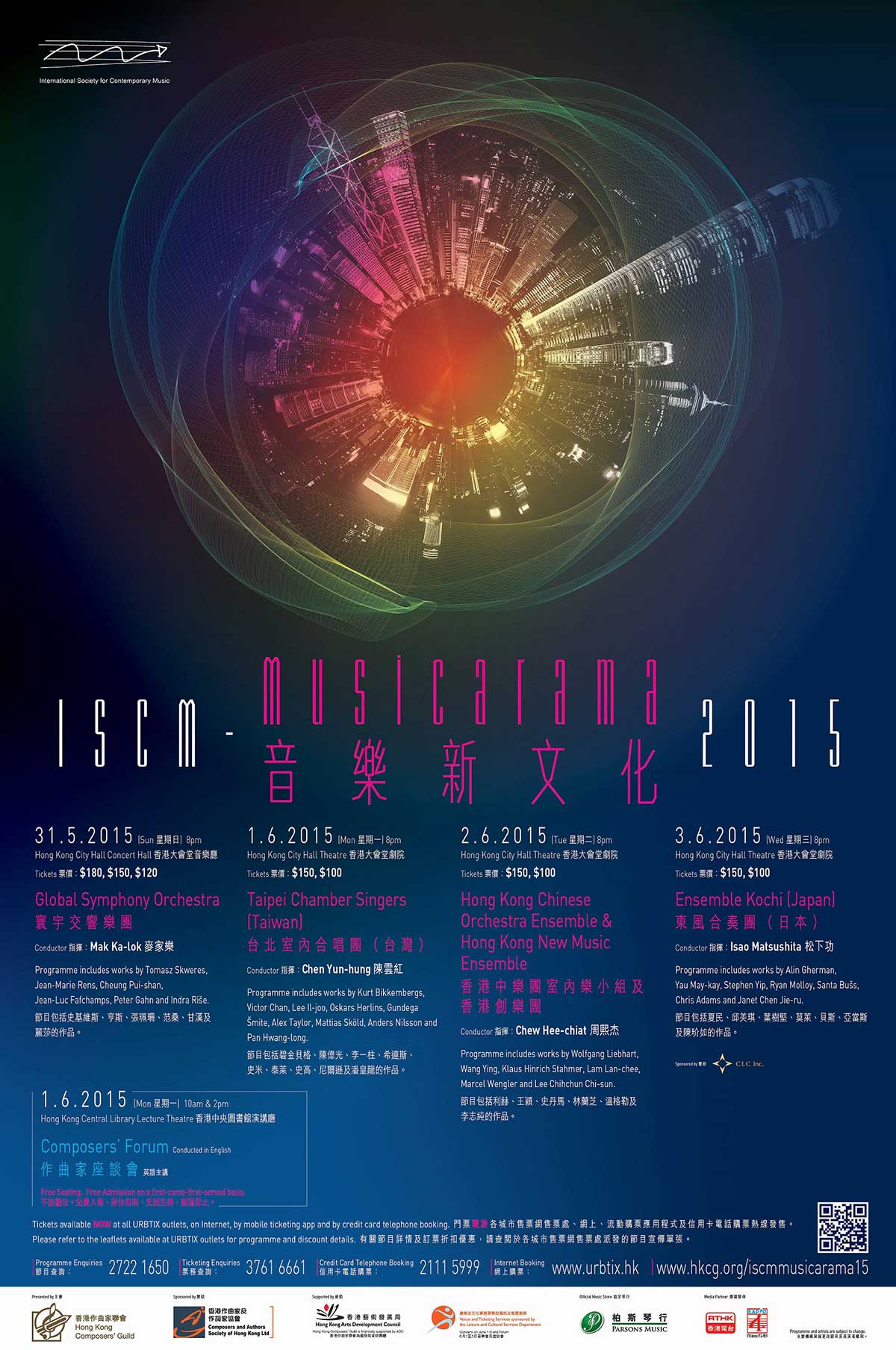
Contemporary music’s annual International Society for Contemporary Music (ISCM) World Music Days Festival will be held in Hong Kong this year from 31 May to 3 June 2015 and features four concerts and a one-day Composers’ Forum to share the composers’ musical ideas with local audiences.

Presented by the Hong Kong Composers’ Guild, the ISCM-Musicarama 2015’s four concert programmes showcase the world’s contemporary composers and feature 28 compositions including five pieces written by local composers.

The first concert will feature Global Symphony Orchestra under the baton of conductor Mak Ka-lok. In 2011, Maestro Mak returned to Hong Kong with an aim to build an orchestra of the best local musicians, hence the Global Symphony Orchestra. His vision is to nurture and support local young talented musicians with a mission of popularizing classical music in Hong Kong. The programme includes The Green Vision by Indra Riše (Latvia), two works by Belgium composers, Lettre Soufie: L(àm) by Jean-Luc Fafchamps and Monolithe by Jean-Marie Rens, Critical Mass by Tomasz Skweres (Austria), Nachtsicht II by Peter Gahn (Germany) and Dai Pai Dong by local composer Cheung Pui-shan.

The second concert will be performed by the Taipei Chamber Singers (TCS), a vocal ensemble dedicated to modern choral music. Founded in 1992, TCS has become one of the top vocal groups in Asia performing at several music festivals. Chen Yun-hung will conduct the concert. The concert programme on June 2 will feature nine works, including Two Years Later by Alex Taylor (New Zealand), Sujechon by Lee Il-joo (Korea), Strange was the World by Victor Chan (Hong Kong), The Somnambulistic Girl by Pan Hwang-long (Taiwan), two works by Swedish composers We Know Not Where The Dragons Fly by Mattias Sköld and Urworte. Orphisch by Anders Nilsson; Für Viele by Kurt Bikkembergs (Belgium) and two pieces by composers from Latvia Sonnet Nr. 28 by Oskars Herlins and Light Seeking Light by Gundega Šmite.

The Festival includes a concert of mixed ensemble music for Chinese and Western instruments,with the aim of presenting contemporary music that goes beyond the cultural boundary. Performed by the Hong Kong Chinese Orchestra (HKCO) Ensemble and the Hong Kong New Music Ensemble, this third concert will be conducted by the Resident Conductor of HKCO, Chew Hee-chiat and feature six works by composers worldwide. Programme: Four Gentlemen by local composer Lam Lan-chee, Zusammenflusses by Lee Chihchun Chi-sun (Taiwan), Wu by Klaus Hinrich Stahmer (Germany), two works by Austrian composers Seized by Wolfgang Liebhart and NUR ICH by Wang Ying, and In the Year of the Dragon by Marcel Wengler (Luxembourg).

The last concert will be performed by Japan’s Ensemble Kochi conducted by veteran composer and conductor Isao Matshushita. Works to be presented at this concert include O poveste by Alin Gherman (Belgium), Dry Tears by Yau May-kay (Hong Kong), Reverberation by Stephen Yip (Hong Kong/USA), Gealach Chríoch Lochlann by Ryan Molloy, Intim by Santa Bušs (Latvia), Persephone by Chris Adams (New Zealand) and Summer Echoes from the Valley by Janet Chen Jie-ru (Taiwan).

Admission to the Composers’ Forum on June 1 at the Central Library Lecture Hall is free of charge on a first-come-first-served basis. Audience will hear the visiting overseas composers introducing their compositions one by one in paper presentation format. Tickets for the rest of the concerts range from $100 to $180 and are available at URTBIX outlets. The four concerts take place on May 31 at City Hall Concert Hall, and June 1 to 3 at City Hall Theatre. Tickets from URBTIX.

Source: Hong Kong Composers’ Guild : bc magazine

Asia Rugby Championship 2015: Japan 41-0 Hong Kong

HK-prop-Jack-Parfitt

Hong Kong didn’t win the war, leave alone the battles, yet head coach Andy Hall was pleased that his side had made progress by claiming “mini-victories” over Japan in the Asia Rugby Championship in Tokyo on Saturday.

“This was a much-better performance than against South Korea last week. We won quite a few mini-victories unfortunately we didn’t have enough of those mini-victories to affect the outcome,” Hall said.

Japan ran in seven tries and kept a clean sheet to register a 41-0 victory over Asia’s number two team, Hong Kong. After keeping their unbeaten record intact Japan stormed to the top of the three-team standings with 12 points. South Korea is second with six points while Hong Kong are in third place with two points.

All three teams have played two matches with South Korea travelling to Fukuoka, Japan for Round 4 next Saturday (9 May).

“We wanted a reaction from last week’s (poor) performance against Korea and we got that today. Unfortunately we didn’t have a platform to exert pressure on Japan. We didn’t win enough ball and when we did, we failed to keep hold of it. When this happens it makes life difficult,” Hall said.

Hong Kong, who began with lock Adam Butterfield making his debut, troubled Japan in the scrum but couldn’t hold their own in the lineouts allowing their opponents to dominate.

But it took 17 minutes for Japan to breach the line against a determined and dogged Hong Kong defence with winger Akihito Yamada completing a quickly taken tap to cross over by the left corner flag.

It didn’t open up the floodgates with Hong Kong slowing the game down cleverly in a stop-start affair resulting in a large crown of nearly 9,000 at the Prince Chichibu Stadium remaining subdued.

Japan led 19-0 at the break with two more tries from centre Karne Hesketh and lock forward Luke Thompson with fullback Ayumu Goromaru converting two.

Hong Kong lost openside flanker Matt Lamming to the sin-bin soon after the game resumed and in his absence Japan scored twice with centre Yu Tamura and Yamada completing his brace.

Midway through the second half Hong Kong was reduced to 14 men again when winger Charlie Higson-Smith failed to roll away from a breakdown. Japan again capitalised with No.8 Ryu Holani scoring from a five-metre scrum before substitute winger Yoshikazu Fujita completed the victory-march by dotting down near the right corner flag.

“We showed good intent today,’” said Japan head coach Eddie Jones. “But our handling let us down”.

Source: HKRTU; Editing: bc magazine

Hong Kong Heroes

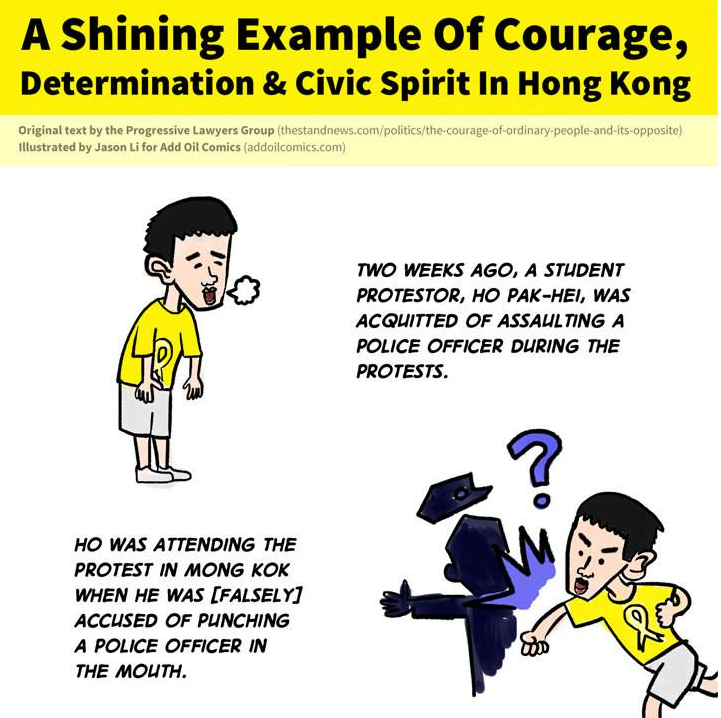
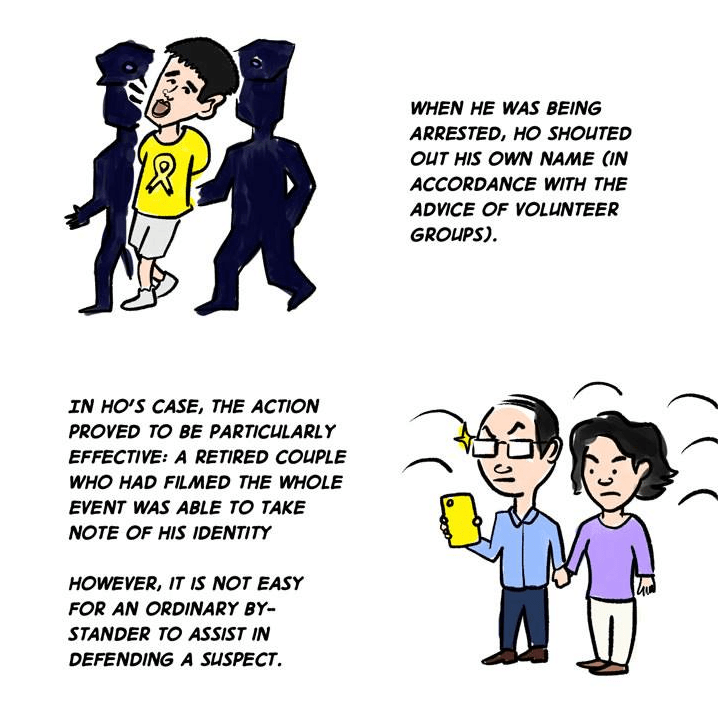
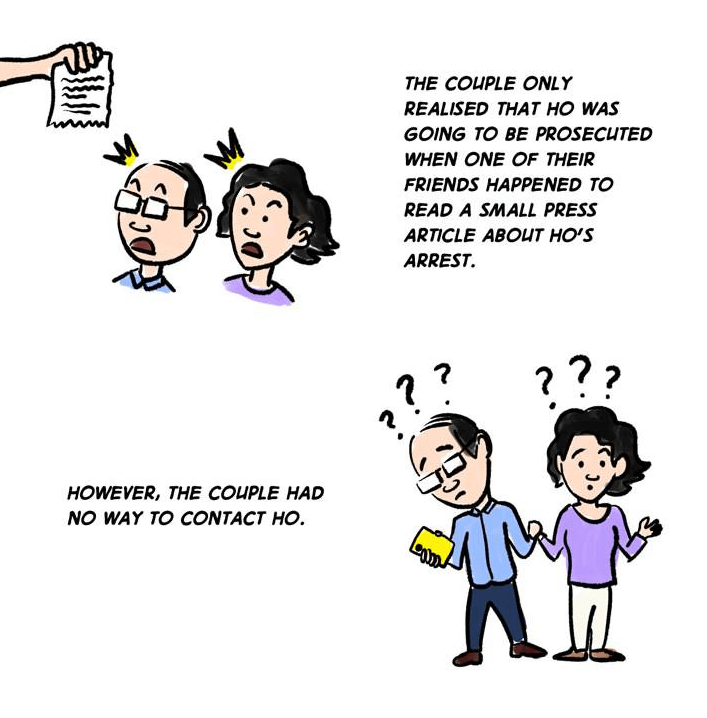
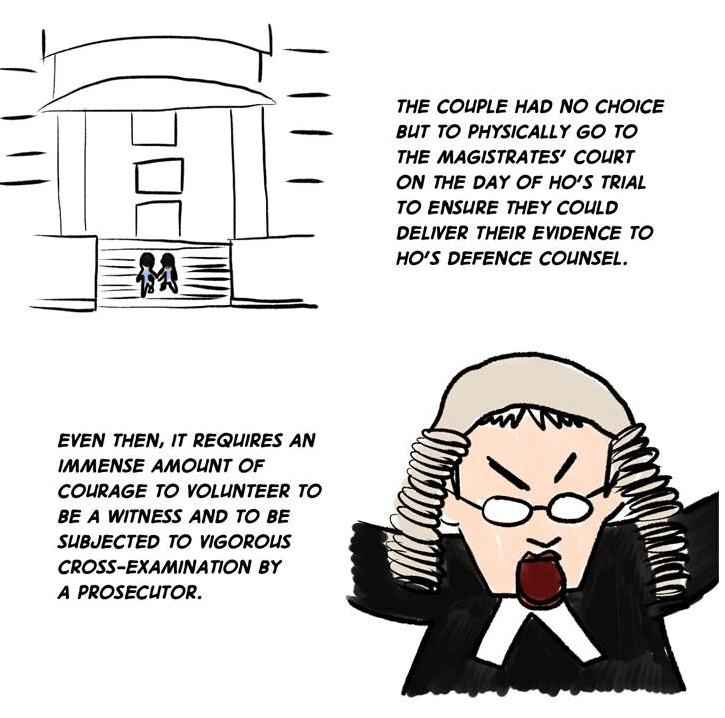
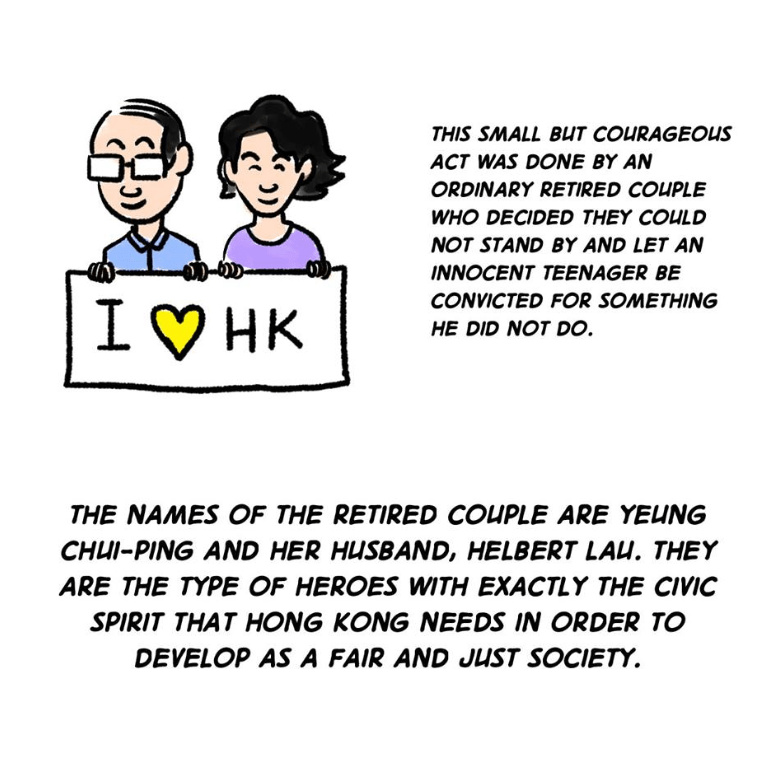
A retired couple’s mission to prove 17-year-old student Ho Pak-hei innocent of assaulting a police officer during the Occupy protests…

10409595_625250517576268_5812774095412812928_n


11059425_625250560909597_6699069197851540279_n

11174775_625250610909592_407992753033313704_n

10155860_625250680909585_3534441274197739810_n

11182173_625250724242914_5193971638088779926_n

Helbert Lau believed the happy ending was only part of the story – the case proved the truth in the allegations of abuse of power by police and he called for a review of the issue.

His wife, who is in her fifties, voiced concerns about some of the negative comments made on social media following her testimony. “Does that mean there aren’t enough people who are willing to do the same thing?” Yeung asked.

The couple hoped they will inspire more people to come forward “to tell the truth”.

Megabites: Food News, 15 April, 2015

pizza

Fast Food Pizza
Napoli’s Pizza & Caffe which opened at 40-46 Carnarvon Road in Tsim Sha Tsui last week, see’s Italy’s traditional staple re-worked Japanese style as fast food. In a traditional pizza restaurant the pie often takes about 20-30 minutes to arrive. Using a 400+ degree oven the pizza at Napoli’s is cooked in 90 seconds! Yes, we found that hard to believe as well but it’s true. From order to table/ take-away was around 5 minutes.

http://bcmagazine.smugmug.com/Bcene-photos/2015/Napolis-Pizza-Media-Tasting/48504747_RsGLLG#!i=3992043303&k=cHQdQPf

Is it any good? Surprisingly so, and not expensive. The basic 25cm Margherita is just $35 and there’s a wide range of flavours available including prosciutto rucola ($78). Quattro Formaggi ($58), this four cheese classic, is given a Japanese twist with the addition of a side of maple syrup which adds little sweetness to a savoury dish – and very popular with Japanese women. One the most popular topping’s in Japan, and sure to be here too, is the cheese less Cicinielli ($68, baby sardines, clams,). A pizza with no cheese, as a cheese lover the idea seemed sacrilege. But it’s very tasty, add a splash of Tabasco to make the flavours sing

panzerottiFor those with a sweet tooth Napoli’s has some very tasty desserts including panzerotti (pizza dough deep fried and coated in sugar and other flavours $8-15) and chocolate banana pizza ($35)

Fresh Pizza as a ‘fast food’ is something different, but it tastes good at a price that’s hard to beat. Does it survive the cold pizza next day reheat test? Definitely – not that’s there’s much chance it’ll make the fridge, unless you buy and extra pie.

waitrose

Waitrose @ Great Food Hall
Through the end of April, Great Food Hall in the basement of Pacific Place is featuring British supermarket chain Waitrose’s own brand basic food products including the Love Life ‘Quick Cook’ grains range which features various combinations of whole grains, beans and pulses that only requiresa ten-minute boil before using. There’s also the Duchy Originals’ (produced in partnership with Prince Charles) range of organic products.

500-webFree Sandwiches
Free give-aways seem to be the promo-de-jour as Caribbean themed bar Rummin’ Tings (G/F, 28 Hollywood Road, 2523 7070) picks up where a sexually discriminating burger joint left-off when on Saturday 18 April between 2-5pm they’re looking give away 500 sandwiches.

There’s three types to choose from Jerk Chicken, Grilled BBQ Beef & The Cubano. There’s also cold slushies and beer to enjoy with your sandwich while getting your grooves on as DJ Noel spins the tunes.

Advertising v Reality
Pizza Hut recently launched a ‘new’ pizza the Golden Lava Pizza and it looks gorgeous on the posters and on the front of the menus… The reality is somewhat different, so different that we cheese lovers decided to pass and order from another pizza outlet.

advert---reality