Hong Kong’s Filmmakers Fight To Stay Free

The director kept his eyes on the audience, ignoring the cops in the back of the room.

It was a private screening of a romance film by Kiwi Chow. Several dozen friends had gathered in the office of a local district councillor to watch the movie and hear Chow speak. He was a politically sensitive figure who’d made films about Hong Kong’s protests and China’s crackdown on the city’s liberties.

His new work was an apolitical tale about a schizophrenic man who falls in love with a psychological counsellor. Hardly a storyline that would provoke dissent or violate a national security law. But the audience took note when two dozen police officers arrived. Chow, undeterred, went on with his talk.

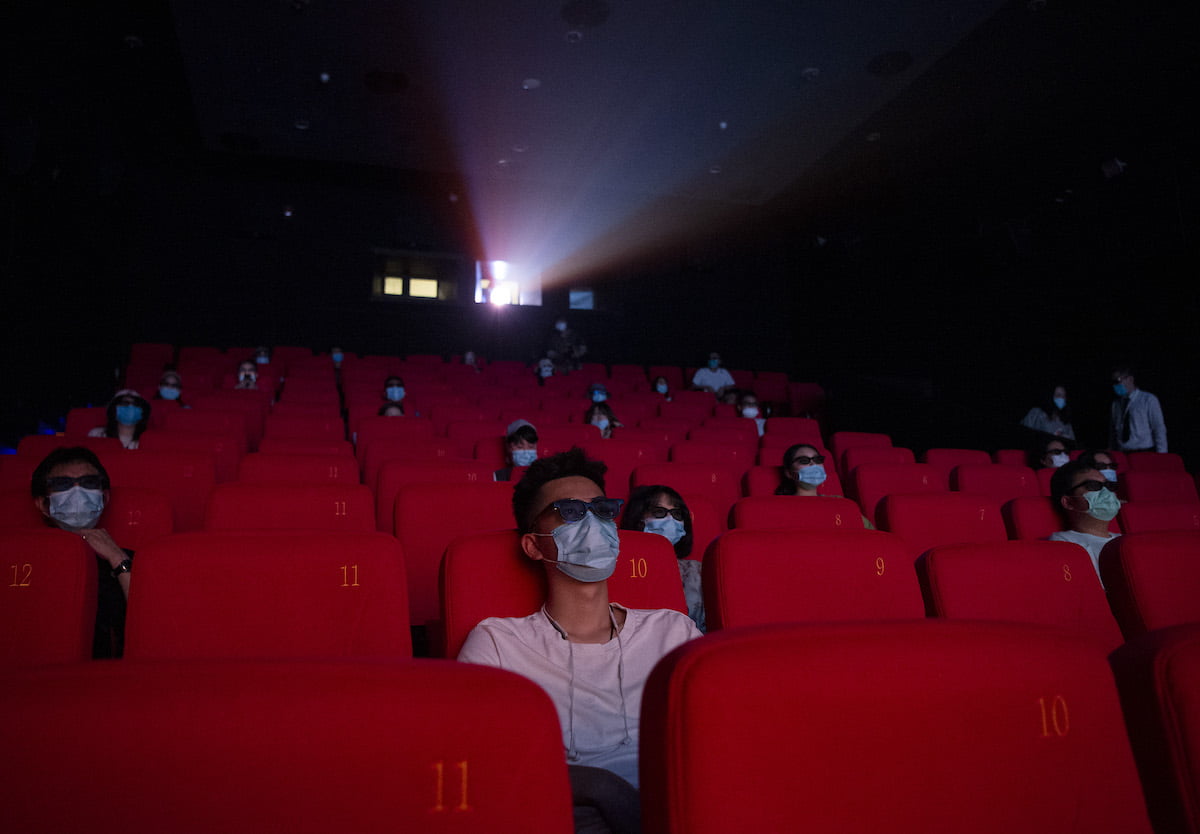
By midnight, police had shut down the screening, fining each attendee HK$5,000 for violating social distancing rules. If the screening had featured Chow’s protest documentary, they could have been fined HK$1 million and imprisoned for up to three years, according to a law proposed by the Hong Kong government in August.

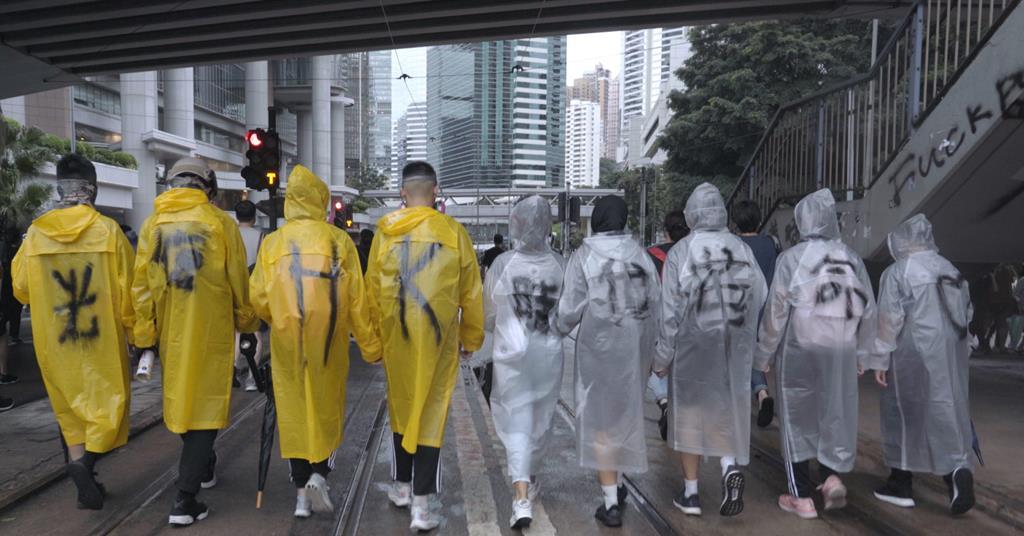
Police raids on movie screenings — unimaginable in Hong Kong a few years ago — are the latest reality in Beijing’s relentless suppression of the territory’s civil liberties. For filmmakers like Chow, 42, they are a sign of how China’s grip on Hong Kong is not only about asserting political control but also suffocating the cultural spaces where art can reflect truth and build solidarity in a society…

Read the full LA Times article here https://www.latimes.com/world-nation/story/2021-09-16/china-hong-kong-movies-censorship

Kiwi Chow

Coleman Wong Wins US Open Junior Boys Doubles!

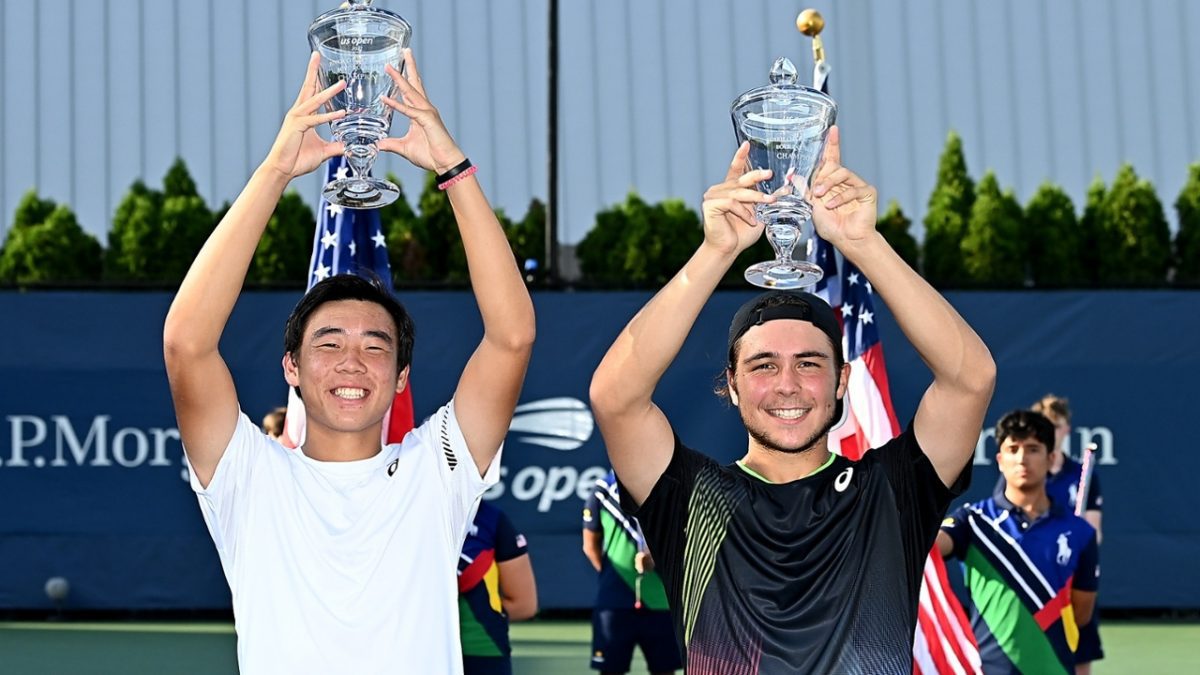
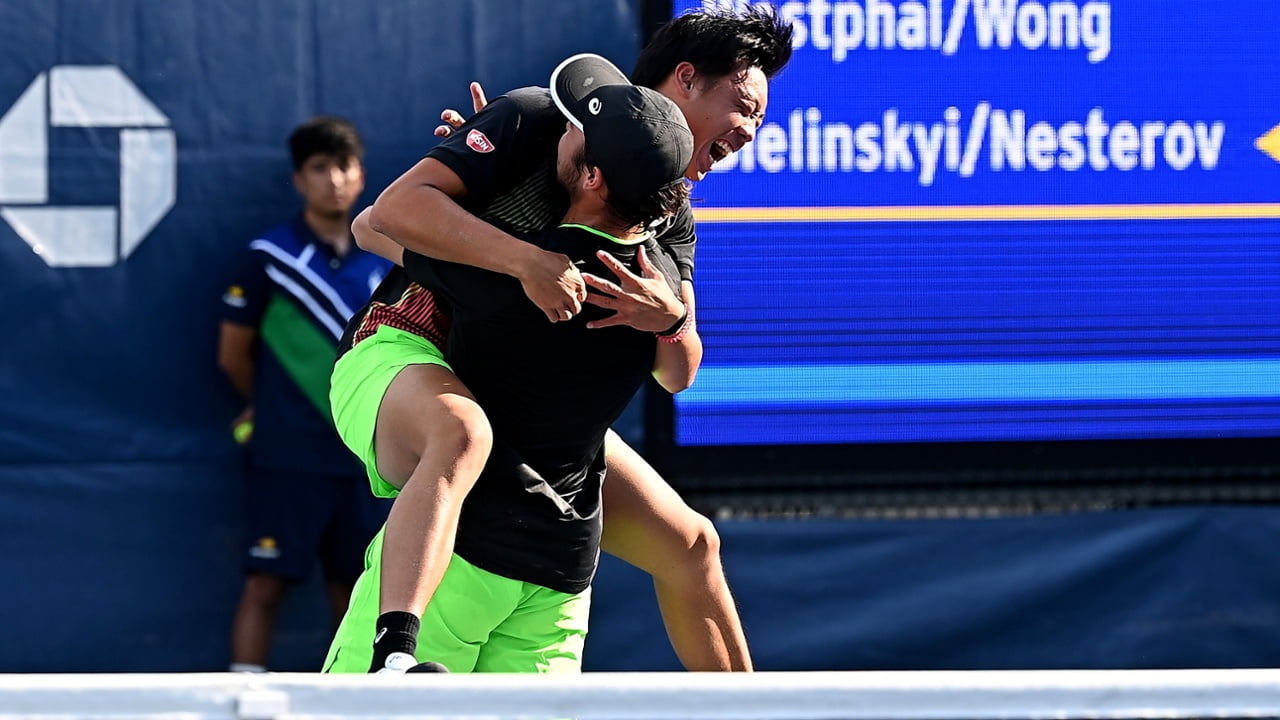
Coleman Wong Chak-lam made history at the US Open when he became the first Hongkonger to win a Boys’ Doubles Grand Slam tournament.

The unseeded duo, 17-year-old Wong paired with Max Westphal (18), beat Viacheslav Bielinskyi and Petr Nesterov after a tie-breaker 6-3, 5-7, 10-1.

updated:19:38, 12 September – added video highlights of the final
images: US Open

Hongkong Post Announces an Olympic Medalist Stamp Sheetlet

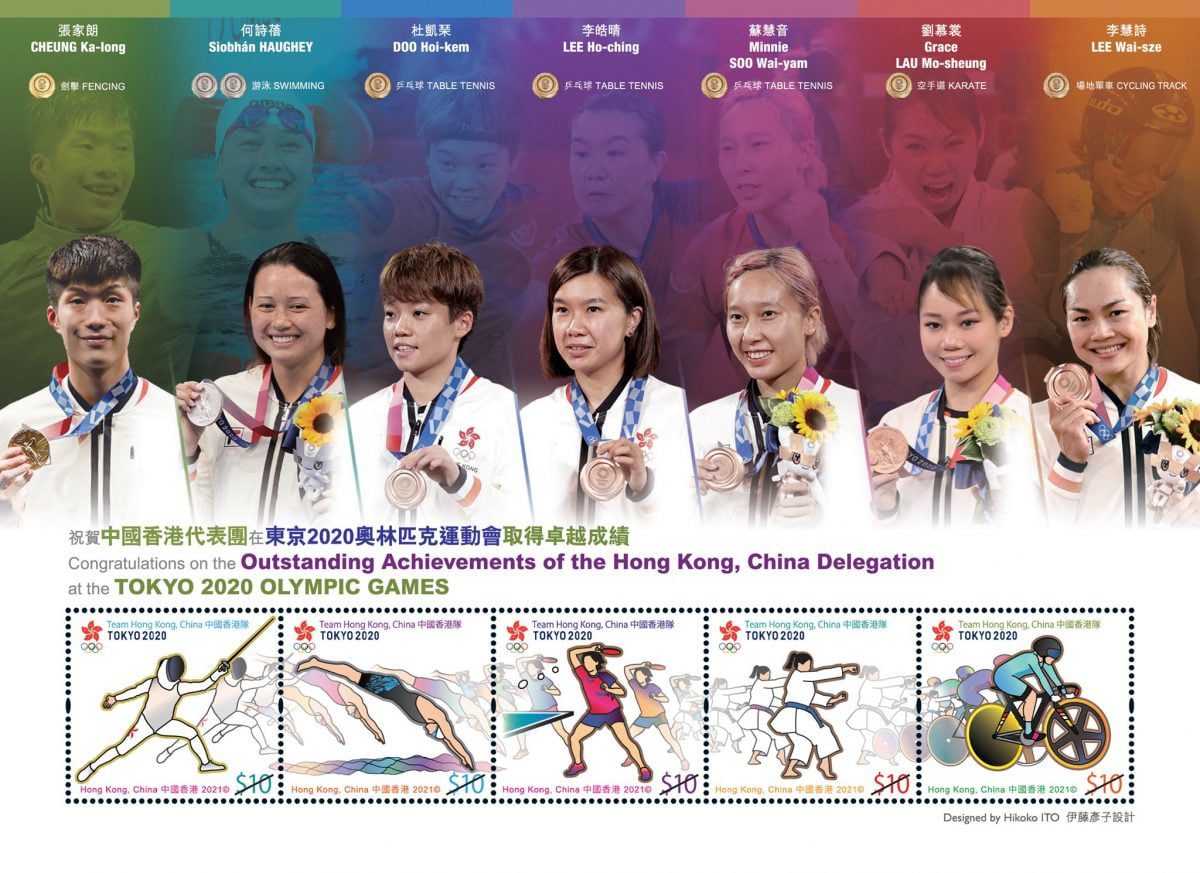
Celebrating the achievements of the Hong Kong team at the Tokyo 2020 Olympic Games, Hongkong Post will issue a commemorative stamp sheetlet. The set of five newly designed stamps will showcase the medal-winning sports of fencing, swimming, table tennis, karate and track cycling.

All of Hong Kong’s Olympic medallists Cheung Ka Long, Siobhan Haughey, Doo Hoi Kem, Lee Ho Ching, Minnie Soo Wai Yam, Grace Lau and Lee Wai Sze will be featured on the commemorative sheetlet to be issued on 28 October, 2021.

Stamps to celebrate Hong Kong’s Tokyo Paralympic medalists will apparently be released later.

Ophelia Performs New Single ‘Save a Life’

Ophelia So (formerly known as Su Huien) performs her new single Save a Life in Causeway Bay over the weekend.

https://bcmagazine.smugmug.com/Bcene-photos/2021/20210905-Ophelia-Su-Huien-Performs-in-Causeway-Bay/i-MnqTTnV

Wong Ting-ting Takes Bronze at Tokyo Paralympics

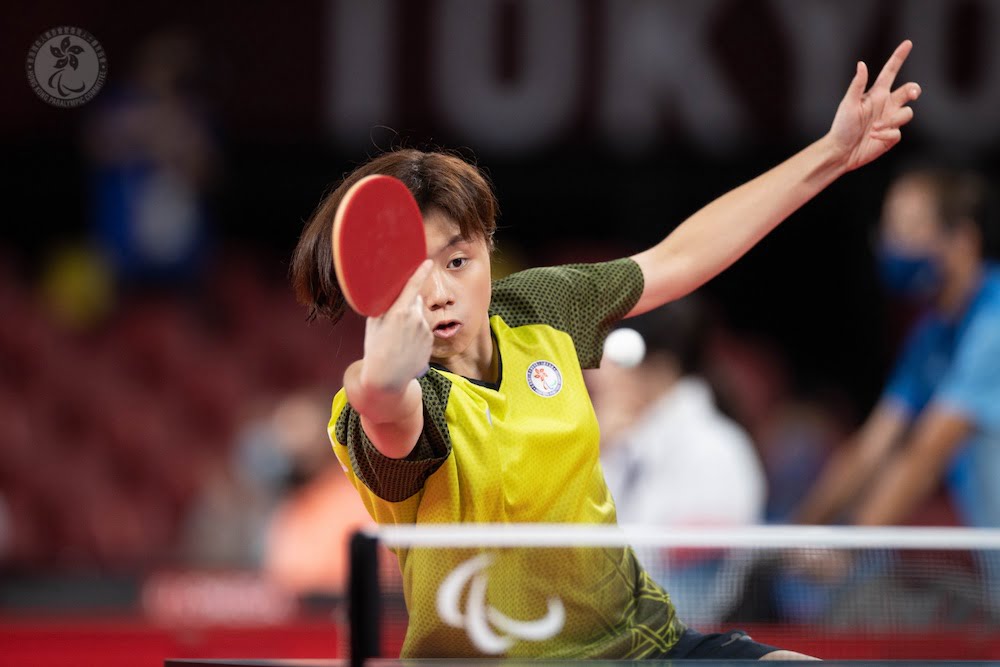
Seventeen-year-old Wong Ting-ting won table tennis bronze, Hong Kong’s first medal at the Tokyo Paralympics.

Competing at her first Paralympics Wong won the first game of her TT11 singles semi-final 11:9 but then lost the next three (5:11, 6:11, 8:11) to 50-year-old defending champion Elena Prokofev.

Images: Hong Kong Paralympic Committee

Rugby League World Cup 2021 Rescheduled to 2022

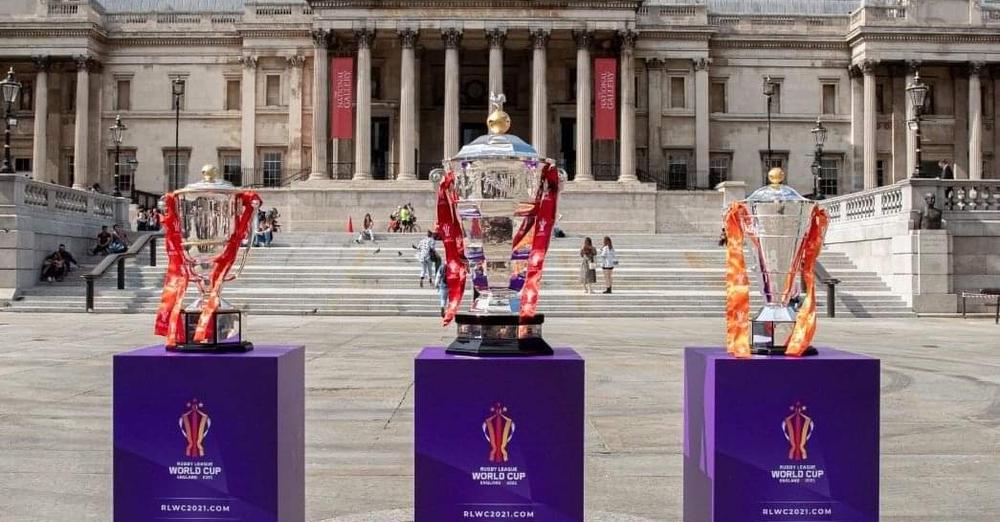
Rugby League World Cup 2021 (RLWC2021) have confirmed that the men’s, women’s and wheelchair tournaments will now take place in 2022 from 15 October – 19 November.

RLWC2021 also announced that the opening match and the men’s / women’s doubleheader finals will be played, as originally planned, at St James’ Park, Newcastle and Old Trafford, Manchester respectively.

The tournament starts one week earlier than the 2021 dates so that RLWC2021 falls between the 2022 Commonwealth Games and the 2022 FIFA World Cup this change will allow all 61 games to be televised live.

Tickets for the 2021 tournament will be valid for the same fixture in 2022.

Proposed Amendments to Film Censorship Ordinance Announced

In June, the Government introduced amendments to the Film Censorship Guidelines for Censors to provide censors with clearer guidance to consider the implications of a film on national security, so as to decide whether the film is suitable for exhibition and its classification.

The proposed amendments [to Cap. 392 Film Censorship Ordinance] announced today are ‘designed’ to quote “enhance the film censorship regulatory framework, with a view to ensuring more effective fulfilment of the duty to safeguard national security as required by the Law of the People’s Republic of China on Safeguarding National Security in the Hong Kong Special Administrative Region, as well as preventing and suppressing acts or activities that may endanger national security.”

Unveiling the new bill, Secretary for Commerce and Economic Development Edward Yau Tang-wah said there would be NO appeal mechanism for bans issued on security grounds.

Yau continued “Amendments giving the Chief Secretary power to revoke the certificates of approval previously issued for films, there is a chance that past movies could be banned from public screening,”

In response to the question: How do you define a movie as ‘contrary to interests of national security? Yau answered ” NSL is the main reference New ordinance also goes into more details covering what might endorse/support/promote/glorify/encourage/incite such act/activity which might endanger national security”

The key proposals in the new Bill are:

(a) to set out explicitly that a censor should consider whether the exhibition of a film would be contrary to the interests of national security, so as to provide clear statutory backing for a censor to give due consideration to national security when making film decisions;

(b) to empower the Chief Secretary for Administration to direct the Film Censorship Authority to revoke certificates of approval or certificates of exemption previously issued for films if their exhibition would be contrary to the interests of national security;

(c) the Secretary for Commerce and Economic Development (SCED) may grant extension of time for a period of no more than 28 days each time for a censor to make a decision where the Authority is of the opinion that the exhibition of the film might be contrary to the interests of national security, allowing sufficient time for the censor to deal with cases that may involve national security considerations and to seek legal advice; and

(d) to disapply [remove] the relevant sections that empower the Board of Review (Film Censorship) to consider requests for review of the decisions of the Authority or a censor, for decisions made on national security grounds.

With no appeal now allowed against the censors decision, has the government killed off both Hong Kong’s film industry and it’s cinemas?

Other amendments to the current law the government wants to make include:

(a) to specify that a censor can request the addition of a specific notice to a film, to serve as a reminder to viewers (or their parents) to mitigate potentially undesirable effects;

(b) to empower the Authority [OFNAA] to require the holders of certificates of exemption or certificates of approval to provide information about the exhibition of their respective films, such as the date, time and venue, and to empower an inspector authorised by the Authority to enter and search any place with the authority of a judicial warrant in order to enhance the inspector’s ability to take enforcement action;

(c) to impose heavier penalties for exhibiting films that are not exempted or approved, raising the maximum penalty to imprisonment for three years and/or a fine of $1 million;

(d) to remove the specified number of non-official members to be appointed, as well as to empower the SCED [Secretary for Commerce and Economic Development] to appoint a public officer as his representative to attend and vote at the Review Board meetings, in order to allow greater flexibility to determine the composition of the Review Board.

Illustration: Derek Zheng